
24/7 Customer Support

Free returns

Same-day & Next-day Delivery

Quality Guaranteed

Unlock Your Welcome Offers: FREE Delivery | Up to 80% OFF | Free 30-day JoyPlus trial
Download the APP
Navigating the world of fitness trackers can feel like a workout in itself. With endless models promising to transform your health, it is easy to fall for marketing hype and end up with a device that disappoints. As the Joybuy Product Recommendation Officer, my role is to help you sidestep common purchasing errors by focusing on what truly matters for UK users. Before you spend your money, let's look at the frequent pitfalls that lead to buyer's remorse.
The 3 Traps to Avoid When Buying a Fitness Tracker:
activity tracker can become expensive when you discover its most insightful features are locked behind a monthly subscription. Advanced sleep analysis, readiness scores and personalised workout plans are often gated, significantly increasing the long-term cost of ownership.GPS watch is essential for genuine phone-free exercise.To make a smart choice, focus on the technical specifications that directly impact your daily use. Ignore the jargon and concentrate on these three areas.
There is a direct trade-off between battery longevity and the number of active features. A simple fitness band focused on step counting and basic sleep tracking might last for two weeks on a single charge. In contrast, a more advanced smartwatch with an always-on display, continuous blood oxygen (SpO2) monitoring and built-in GPS may only last a few days.
Consider your routine. If you want to "set it and forget it," prioritise a longer battery life. If you need on-wrist navigation and constant data streams, be prepared for more frequent charging.
The quality of a tracker's sensors determines the reliability of its data.
GPS watch is a non-negotiable feature. It allows you to accurately track your pace, distance and route without carrying your phone. A device with only "Connected GPS" will be less accurate and more inconvenient for outdoor activities.A 5 ATM rating is the standard for a waterproof fitness tracker suitable for swimming. It confirms the device can handle surface swimming in a pool or the sea. However, it is crucial to remember the limitations:
Instead of a one-size-fits-all approach, we have matched a few standout options to different user needs, helping you find a device that aligns with your lifestyle.
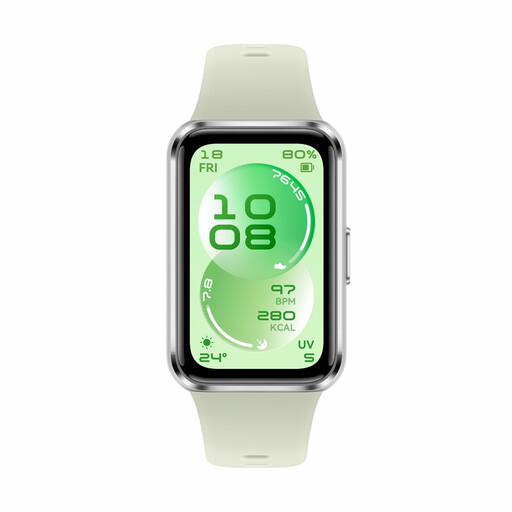
Why This Fits Their Persona: Ideal for those new to activity tracking who want the essentials without a hefty price tag. It covers steps, heart rate and sleep tracking effectively, making it a great entry point for building healthier habits.
This HUAWEI fitness tracker provides all its core health and sleep data through the companion app without requiring a paid subscription, avoiding the hidden cost trap.
Features an impressive battery life of up to 14 days under typical use and a bright, clear 1.62-inch AMOLED display that is easy to read.
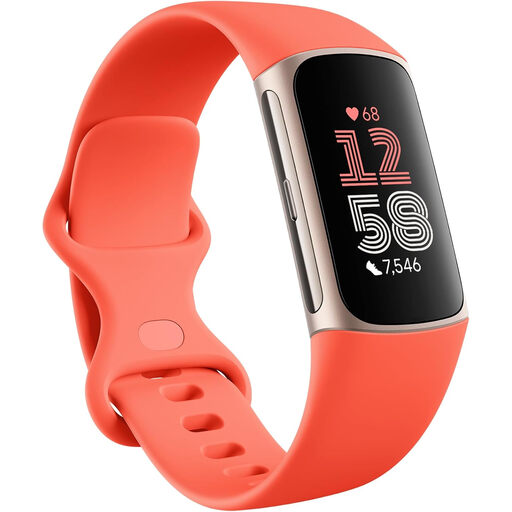
Why This Fits Their Persona: For the fitness enthusiast who runs, cycles or hikes and wants the convenience of smart features. This device is a powerful training partner and a useful daily companion for contactless payments and on-wrist navigation.
The built-in GPS allows for accurate, phone-free workout tracking, directly solving the problem of unreliable "Connected GPS" systems found in less advanced models.
Seamless integration with Google Maps for turn-by-turn directions and Google Wallet for payments, plus over 40 exercise modes.
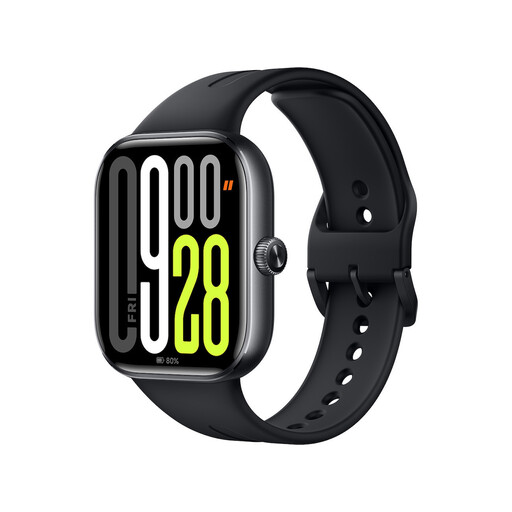
Why This Fits Their Persona: Perfect for someone who wants a full-fledged smartwatch experience with a large, vibrant screen for notifications, Bluetooth calling and comprehensive fitness tracking, without compromising on battery performance.
With a stated battery life of up to 24 days in standard mode, it directly challenges the expectation that feature-rich smartwatches require charging every day or two.
An extra-large 2.07-inch OLED display provides a clear and responsive user experience, alongside built-in multi-system GNSS for accurate location tracking.
We have compiled a complete, real-time list of products that fully satisfy these strict selection criteria and UK safety regulations.
It depends on the brand. Some brands, like Fitbit, place their most advanced analytics and guided programmes behind a "Premium" subscription. Others, such as HUAWEI and Xiaomi, typically offer their full range of data and insights within their free companion apps. It is important to factor this potential ongoing cost into your decision.
For general fitness and all-day tracking, modern optical heart rate sensors are quite accurate. They provide excellent data for monitoring resting heart rate and trends during steady-state exercise like jogging or cycling. However, for medical-grade precision or during activities with rapid heart rate changes (like HIIT), a dedicated chest strap monitor remains the more accurate option.
A well-made fitness tracker should provide reliable service for at least two to three years. The primary factor limiting its lifespan is the rechargeable battery, which will naturally degrade over time, holding less charge. Physical durability also plays a part; a device with a metal casing and a robust strap is likely to withstand daily wear and tear better than a cheaper, all-plastic model.