Who is a daily-goal tracker for?

Daily-goal beginners

If you mainly want a visible cue to move and a way to check your steps or activity, start with a goal display you can understand at a glance. Garmin, Samsung and Apple describe different ways to show daily progress, so the metric matters more than the number of features.

Low-maintenance all-day wearers

If charging or an uncomfortable strap would stop you wearing a tracker regularly, compare the exact model’s stated battery conditions, weight and strap fit. Xiaomi’s published battery figures are maximum claims, not promises of runtime in every routine.

Goal followers who want activity context

If steps alone do not describe your routine, look at exercise minutes, workout types or standing goals and how the companion app presents them. Apple’s Activity rings, for example, track movement, exercise and standing separately.

What matters when choosing?

Start with the goal you will actually check each day, then decide how much charging and app involvement you are willing to accept.

ConcernWhat to checkWho this matters to
Clear goal progress Check which metric appears on the wrist and how the device counts progress or issues reminders. Steps and exercise minutes are not interchangeable. When I glance at my wrist between tasks, I want to know whether I am making progress towards the goal I chose. Around 50% of consumers put clear daily-goal feedback first.
Charging and comfort Compare battery claims under the settings you expect to use, and check the strap’s stated fit. Samsung and Xiaomi note that actual battery life varies with use. If charging breaks my routine, I need a tracker I can comfortably keep wearing through the day. Roughly 30% of consumers prioritise low-maintenance wear.
Broader activity context Check the exercise types, activity-minute definitions and app history you would use, as well as phone compatibility. If my routine includes workouts as well as everyday movement, a step total alone does not give me the context I want. About 20% of consumers place broader activity context first.

Mistakes to avoid

  • Assuming every activity goal measures the same thing

    Apple says Exercise credit depends on movement intensity, so an Apple Watch exercise total need not match its step count or another tracker’s activity figure.

    Choose your primary metric before buying and check the exact device’s rules for crediting it.

  • Choosing by the longest battery claim alone

    Samsung’s Galaxy Fit3 claim uses a specified typical-use setting with always-on display disabled. Xiaomi’s published band runtimes also vary with use and settings.

    Consider the notifications, display mode, workouts and overnight tracking you intend to use, then plan a charging routine you can maintain.

  • Treating wellness readings as a diagnosis

    Apple says Apple Watch is not a medical device, while Xiaomi says its cited Smart Bands are not designed to diagnose disease.

    Use activity figures to follow a routine, not to assess symptoms. The NHS advises speaking to a GP if you have medical concerns or have been inactive for some time.

  • Assuming a listing describes the same model specification

    A Joybuy description calls the Xiaomi Smart Band 9 Active display AMOLED, whereas Xiaomi UK describes that model’s display as TFT. That difference matters if display type affects your choice.

    Compare the full model details, display, phone compatibility and included accessories with Xiaomi UK’s specifications before ordering.

Brands to consider for daily activity goals

Xiaomi

Xiaomi’s Smart Band models are options for people who want daily activity features in a band rather than a broader smartwatch setup.

  • Xiaomi UK lists up to 21 days of typical use for Smart Band 9 and up to 18 days for Smart Band 9 Active.
  • Those figures vary with use. Check the exact model: Smart Band 9 and Smart Band 9 Active differ in display and activity modes.

Samsung

Galaxy Fit3 suits consideration when an easily viewed band display and a range of exercise modes matter to your daily routine.

  • Samsung UK lists a 1.6-inch AMOLED display and tracking for more than 100 exercises.
  • Its up-to-13-day battery claim assumes typical use with always-on display disabled. Confirm compatibility with your Android phone and Samsung Health before buying.

Garmin

Garmin’s vívosmart 5 is a dedicated tracker for steps and activity information, with outdoor route tracking through a paired phone.

  • Garmin UK lists steps, wrist heart-rate information and preloaded sport apps for vívosmart 5.
  • Outdoor GPS tracking relies on the paired phone, and Garmin states up to seven days of smartwatch-mode battery life.

Apple

Apple Watch offers an iPhone-centred approach to daily Move, Exercise and Stand/Roll goals.

  • Apple Support explains how to adjust Activity goals, including by day of the week.
  • Exercise credit is not a step count. Apple’s measurement guidance makes fit, personal details and arm movement relevant to activity readings.

Joybuy trackers for daily activity

These Joybuy trackers are choices to consider if you want to follow steps or include workouts in a daily activity routine. Check each model’s goal display and phone setup against the metric you intend to follow.
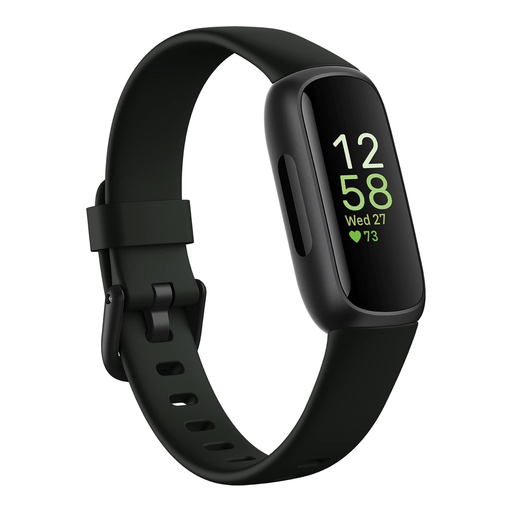
Fitbit Inspire 3 in Midnight Zen/Black

Fitbit Inspire 3, Midnight Zen/Black

Consider this tracker for a step-led routine; check how it shows your chosen goal and which reminders you can control before buying.

View on Joybuy
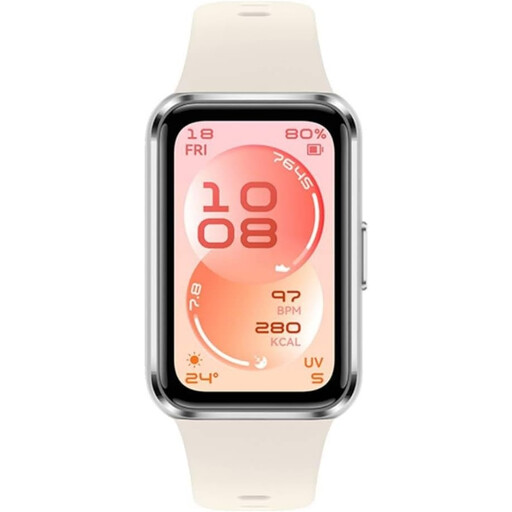
HUAWEI Band 11 in White with Aluminium Case

HUAWEI Band 11, White, Aluminium Case

Consider this band if you want to follow everyday steps. Check its daily-goal screens and reminders, and whether its phone app fits your routine.

View on Joybuy
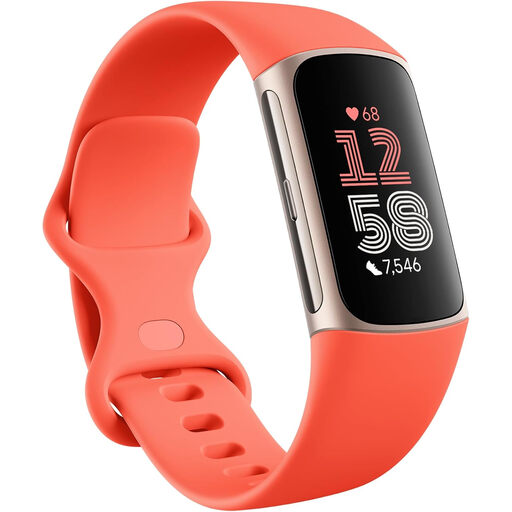
Fitbit Google Charge 6 in Coral and Champagne Gold Aluminium

Fitbit Google Charge 6, Coral / Champagne Gold Aluminium, 3 Months Google Health Premium

Consider this tracker if different workout types matter alongside daily activity. Its product name states a 7-day battery claim; check the goal controls and the conditions behind that runtime for your intended use.

View on Joybuy

Questions about daily activity tracking

Should I follow steps or activity minutes?

Follow the measure you will check consistently: steps give a straightforward daily movement cue, while activity minutes can help you follow an exercise plan. For adults aged 19 to 64, the NHS advises at least 150 minutes of moderate activity or 75 minutes of vigorous activity a week, alongside strength activity on at least two days; that guidance is not a universal daily step target.

Why does an Apple Watch show fewer exercise minutes than I expected from a walk?

An Apple Watch does not count every walking minute as an Exercise minute. Apple says movement must reach at least an individually determined brisk-walk intensity for a full minute to count towards that goal; check another tracker’s own definitions before comparing totals.

Can a daily activity tracker diagnose a medical problem?

Do not use the wellness trackers discussed here to diagnose symptoms. Apple says Apple Watch is not a medical device, and Xiaomi says Smart Band 9 and Smart Band 9 Active are not designed to diagnose disease. If you have medical concerns or have been inactive for some time, the NHS advises speaking to a GP about suitable activity.

Can I use any fitness tracker for swimming?

Check the exact model’s water-resistance rating and the manufacturer’s conditions before using it in water. Xiaomi lists 5ATM resistance for Smart Band 9 and Smart Band 9 Active, but that rating should not be assumed for other trackers or treated as permission for every type of water exposure.