
24/7 Customer Support

Free returns

Same-day & Next-day Delivery

Quality Guaranteed

Unlock Your Welcome Offers: FREE Delivery | Up to 80% OFF | Free 30-day JoyPlus trial
Download the APP
Choosing a new fitness tracker can feel overwhelming. The market is flooded with devices promising to transform your health, but flashy marketing can often hide crucial flaws. Many UK buyers find themselves with a gadget that either dies too quickly, locks essential features behind a paywall or simply doesn't fit their lifestyle. As a Joybuy Product Recommendation Officer, my role is to help you see past the hype and focus on what truly matters.
Before you add any activity tracker to your basket, let's look at the three most common pitfalls that lead to buyer's remorse.
To avoid these traps, you need to look beyond the marketing and analyse a few core parameters. Focusing on these will ensure the fitness watch you choose genuinely meets your needs.
Instead of taking the headline battery figure at face value, look for the details. Manufacturers often provide different estimates:
Consider how you plan to use your device. If you want all features enabled, a tracker with a 5-7 day "typical" battery life is a more realistic and practical choice than one claiming 14+ days.
Nearly every modern smart band is advertised as a waterproof fitness tracker, commonly with a 5 ATM rating. This is a crucial standard, but it's often misunderstood.
This is perhaps the most important distinction for anyone who runs, cycles or walks outdoors.
Decide if the convenience of phone-free workouts is a priority for you. If it is, a device with built-in GPS is a non-negotiable feature.
Based on these practical considerations, here are a few recommendations matched to different user needs.
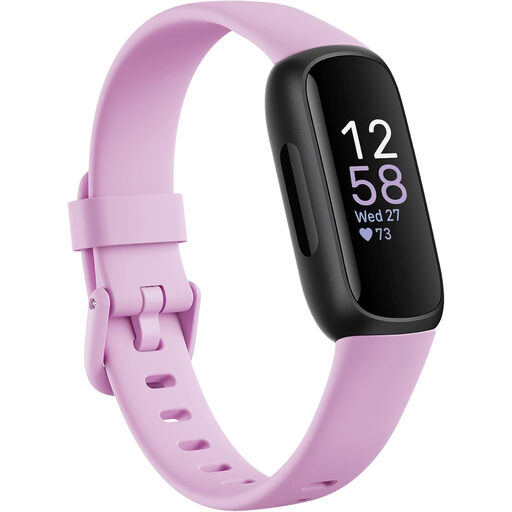
Why This Fits Their Persona: Ideal for those new to activity tracking who want a reliable, no-fuss device. It covers all the essentials—steps, 24/7 heart rate and sleep quality—in a slim, comfortable design without a hefty price tag.
Its standout 10-day battery life holds up well in real-world use, avoiding the constant-charging pitfall. While it uses Connected GPS, this is a suitable compromise for starters who typically carry their phone anyway.
Excellent battery performance and a comprehensive set of free health-tracking features. It's a simple and effective entry into the world of the `sleep tracker` and `activity tracker`.

Why This Fits Their Persona: For the UK runner, cyclist or gym-goer who needs accurate, detailed metrics. This user values performance data and the freedom to exercise without being tethered to their phone.
It features a built-in GPS, directly solving the "Connected GPS" problem and allowing for phone-free outdoor workouts. Its 7-day battery is a realistic figure for its powerful feature set.
Offers over 40 exercise modes and can broadcast its heart rate data to compatible gym equipment. The integration of Google Maps and Wallet adds practical, everyday convenience.
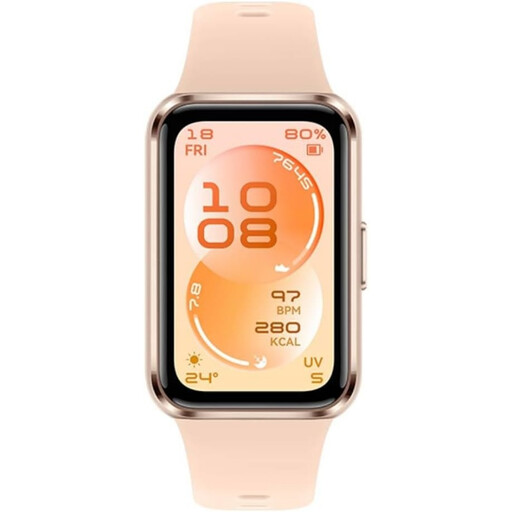
Why This Fits Their Persona: This user wants a device that blends seamlessly with their daily life, offering all-day wellness monitoring without looking like a bulky piece of tech. They prioritise aesthetics, comfort and convenience.
It delivers an impressive 14-day typical battery life and clearly states the 3-day life with AOD, managing expectations perfectly. All its health features, like HUAWEI TruSleep, are included without a subscription.
A large, vibrant 1.62-inch AMOLED display and a sleek, lightweight aluminium case make it both beautiful and functional. It offers comprehensive health tracking, including SpO? and stress monitoring.
We have compiled a complete, real-time list of products that fully satisfy these strict selection criteria and UK safety regulations.
For general fitness, daily activity and sleep tracking, the optical sensors in modern fitness trackers like those from Fitbit and HUAWEI are generally quite accurate. They provide excellent data for monitoring trends over time. However, for high-intensity interval training where your heart rate changes rapidly, a dedicated chest strap monitor will typically offer greater precision. For the most accurate readings from your wrist device, ensure it is worn snugly and about a finger's width above your wrist bone.
This is a key difference between brands. Fitbit offers a robust set of free features, including all-day activity tracking, sleep scores and exercise modes. However, more advanced analytics, like the Daily Readiness Score and in-depth wellness reports are part of the optional Fitbit Premium subscription. In contrast, HUAWEI generally includes all its features, such as HUAWEI TruSleep and stress monitoring within the initial purchase price without requiring an ongoing subscription.
A well-cared-for fitness tracker should typically last between two to four years. The main factor that limits its lifespan is battery degradation, as the rechargeable battery will hold less charge over time. Physical damage and failure to follow care instructions (like exposing it to extreme temperatures or harsh chemicals) can also shorten its life. To maximise its longevity, clean the band and charging contacts regularly and charge it before the battery is completely depleted.