Everyday activity starters
If steps, general activity and occasional workouts are the records you expect to review, start with a tracker. Check how it feels on your wrist and whether its app makes those records easy to use.


Choose a fitness tracker if recording everyday activity is your main aim, a compatible smartwatch if you also want phone-connected features, or a GPS sports watch if pace and route records matter most. A smart ring is another option when discreet daily wear matters more than a wrist display. For swimming, check the exact model and band; for any route, check phone compatibility, app access and battery claims in the modes you will use.
If steps, general activity and occasional workouts are the records you expect to review, start with a tracker. Check how it feels on your wrist and whether its app makes those records easy to use.
If you want notifications alongside activity records, a smartwatch may suit you. Check that your phone supports the watch and that the exact model and band are suitable for your intended swimming activity.
If regular walks, runs or rides make distance, pace and routes more useful than step totals alone, look at GPS sports watches. Check whether a candidate records routes without a paired phone and compare its stated battery life in GPS mode.
Pick the type of record you will actually use, then check whether the device fits your phone, activities and charging routine. A subscription-free preference is a separate app-access question, not a fifth device type.
Consider it when: everyday steps and workout logs matter more than extensive wrist-based communication.
Check: swimming suitability and whether outdoor routes need a paired phone vary by model.
Consider it when: you want activity records alongside notifications or other phone-linked features.
Check: compatibility can depend on your phone model and operating-system version.
Consider it when: discreet continuous wear and app-based daily information matter more than a live wrist display.
Check: the app and any membership conditions before relying on detailed reports.
Consider it when: outdoor distance, pace and route records are the main reason for buying.
Check: stated GPS-mode battery life rather than relying on a general smartwatch-mode figure.
| Concern | What to check | Who this matters to |
|---|---|---|
| Activity records | Choose step and activity views for everyday walking; for outdoor routes, check for built-in GPS rather than assuming the device works without a phone. | If I am building a walking habit, steps may be enough; if I run or cycle outdoors, I want distance, pace and routes. Around 33% of consumers put activity records first. |
| Phone and app fit | Check your phone model, operating-system version and account requirements against the exact device and app. | I want to review workouts on the phone I already own, without discovering at setup that the app will not work. For around 25% of consumers, phone and app fit is the primary concern. |
| Swimming and wear | Check the model's stated swimming uses, band material and fit; a water-resistance rating alone does not cover every water activity. | If swimming is part of my routine, I need a device and band I can wear for that activity as well as day to day. Roughly 25% of consumers place swimming suitability and wearability first. |
| Ongoing use | Compare battery claims in the modes you will use, then check membership-dependent features and available record exports. | I do not want charging to interrupt regular workouts or to lose access to the records I value when changing apps. Around 17% of consumers prioritise these ongoing-use conditions. |
A watch suitable for shallow-water swimming is not automatically suitable for diving, fast-moving water or hot tubs. Water resistance can diminish, and a band may have different water-use limits from the device.
Check the manufacturer's instructions for the exact model and band against pool, open-water or sweat-only use.
Setup and central app features can depend on a supported phone, operating-system version and account. For example, the Apple Watch models listed by Apple UK in its current range require an iPhone 11 or later with iOS 27 or later.
Check your phone and software version against the device's current setup requirements before ordering.
Smartwatch-mode and GPS-workout claims describe different patterns of use. Garmin lists the Forerunner 55 at up to two weeks in smartwatch mode but up to 20 hours in GPS mode.
Compare the stated endurance for the workout mode you expect to use and allow for charging in your routine.
For Oura rings, access to detailed features and reports depends on Oura Membership. Export options and report availability can also depend on ring generation and membership status.
Identify the features and records you expect to keep, then check the exact device's access and export conditions.
These brands illustrate different device and app routes; the conditions below apply to the specified services or models, not every product bearing the brand.
A tracker and watch route for everyday activity recording through Google Health on a compatible phone.
An iPhone-linked smartwatch route combining activity records with wrist communication.
A GPS sports-watch route for people who want outdoor distance, pace and route records.
A smart-ring route centred on continuous wear and reviewing daily information in an app rather than on a wrist display.
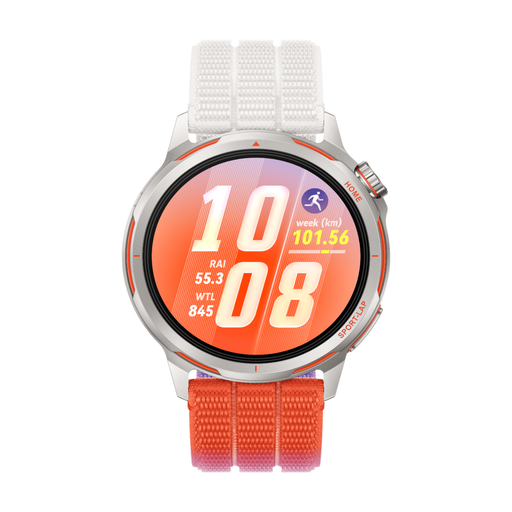
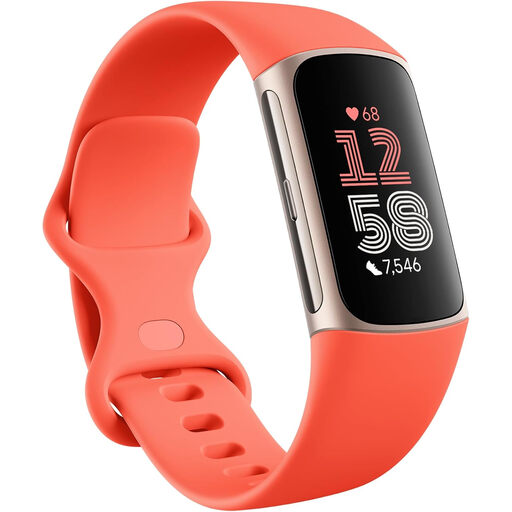
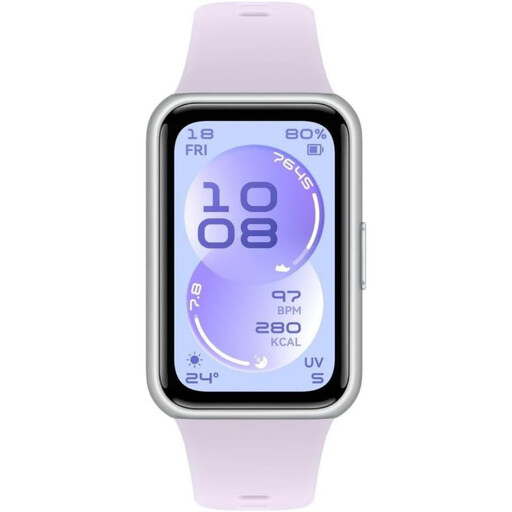
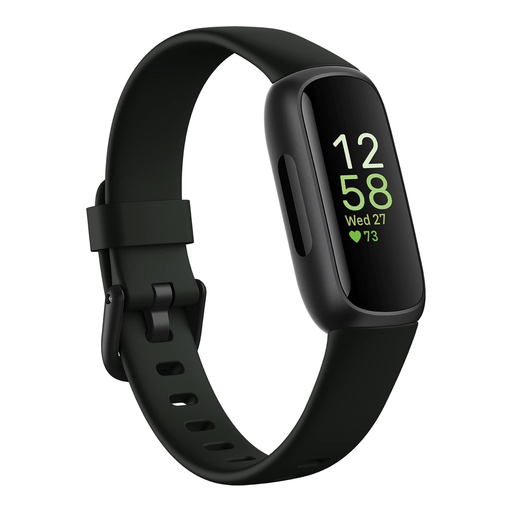
These choices span a running-focused GPS watch, fitness trackers and a fitness smartwatch. Compare each one against the activity you plan to repeat, especially whether you need routes without carrying a phone or a device suitable for swimming.
 No image available
Consider this running-focused GPS watch if pace and route records matter to your outdoor routine. If you also plan to swim, check the instructions for the supplied band; confirm the applicable battery claim for your expected GPS use.
 No image available
Consider this tracker if you want everyday activity records alongside outdoor workouts. Its name states a seven-day battery claim and a three-month Premium period; check battery conditions, current app requirements and which features remain available after that period.
 No image available
Consider this smartwatch if you want to assess activity tracking alongside wrist notifications. Check your phone against current Google Health requirements and follow the model's water-use instructions rather than assuming every wet activity is suitable.
 No image available
Consider this tracker if everyday activity is your main focus. If independent outdoor route records matter, check how this model handles GPS; for swimming, confirm its water-use instructions and your phone's app compatibility.
 No image available
Consider this tracker for everyday activity and occasional workouts. For outdoor routes, check whether carrying a paired phone suits you; also confirm current Google Health setup and any app features you expect to use.
Prioritise records you will use: steps and general activity for walking, distance and pace for outdoor runs or rides, and a model-specific swim workout for swimming. A 2020 systematic review published in JMIR mHealth and uHealth found that no brand was accurate for energy-expenditure measurement in the studies it reviewed, so calorie estimates should not be the main reason to choose a device.
You can swim with a model only when its instructions cover your intended activity and its band is suitable for water. Google Health Help says most Fitbit devices are water-resistant to 50 metres, while Apple Support says Apple Watch Series 2 and later can be used for shallow-water swimming; neither statement covers every model, band or water activity.
Several platforms offer exports, but check the format and access conditions before choosing a device. Garmin Support lists activity exports including FIT, TCX, GPX and CSV; Apple Support says Apple Health data can be exported in XML, while Oura's available downloads can depend on ring generation and membership.