Who each choice suits
The deciding question is what must still work when your phone is not with you: the activity record, your communications, or neither.
Phone-free outdoor exercisers
If you leave your phone at home for a run, ride or walk, check whether the exact wearable has built-in GPS. Google Health distinguishes that from GPS which uses a nearby phone; GPS use can also affect charging frequency.
Connected phone users
If you want to see alerts or deal with calls and messages while your phone is out of reach, check the wearable’s phone compatibility and available notification actions. Communication away from the phone may also need Wi-Fi or a cellular model and plan.
Low-maintenance daily wearers
If regular charging would discourage you from wearing a tracker, compare battery claims under the settings you expect to use. Garmin, HUAWEI and Google Fitbit describe battery life under particular conditions, rather than as a fixed interval for every wearer.
What matters when choosing
Which? distinguishes activity-focused trackers from smartwatches with broader notification functions. A hybrid-style wearable may offer a different balance, but its GPS, alert actions and charging interval need checking on the individual model.
| Concern |
What to check |
Who this matters to |
| Phone-free activity records |
Check whether GPS is built in or uses the phone, and which activities use it. |
If I leave my phone behind on a run, I need the wearable to record my route without borrowing its location. About 33% of consumers put phone-free activity recording first. |
| Alerts and communication |
Confirm phone and operating-system compatibility, the actions available for your apps, and what works over Wi-Fi or cellular. |
When my phone is out of reach, seeing an alert may not be enough if I need to answer it or take a call. For about 42% of consumers, handling communications is the primary need. |
| Charging and daily wear |
Compare battery-test conditions with your planned GPS, display and notification use; check the case and strap for comfortable wear. |
I want to wear the device throughout an ordinary day without organising my routine around charging it. Roughly 25% of consumers make low-maintenance wear their main concern. |
Relevant brands to consider
These examples illustrate different product lines and their conditions; the features of one model do not apply to every wearable from the same brand.
Apple
Apple Watch is a smartwatch route for compatible iPhone users who want activity recording alongside wrist-based communication.
- Apple Support says Apple Watch can continue recording workouts away from its paired iPhone using built-in GPS.
- Check the Watch, iPhone and iOS requirements together. Calls and messages away from the phone depend on available Wi-Fi or, for a compatible cellular model, supported service and a plan.
Google Fitbit
Fitbit offers activity-focused trackers, including Charge 6, for buyers who prefer a band to a larger smartwatch.
- Google Store lists built-in GPS and up to seven days of battery life for Charge 6.
- Google Health describes Charge 6 as using dynamic GPS, so check its behaviour for phone-free workouts. Google Store says certain settings require more frequent charging.
Garmin
Garmin’s vívosmart 5 is an example of a tracker for routine activity records and alerts from a paired phone.
- Garmin lists texts, calls and notifications from a paired smartphone and up to seven days of battery life for vívosmart 5.
- Its outdoor GPS recording uses the smartphone’s GPS, so it does not meet a need to record a route without the phone.
HUAWEI
HUAWEI Band 11 is a slim-band option for routine activity tracking and phone-linked use.
- HUAWEI specifies Android 9.0 or later and iOS 13.0 or later, and quotes a maximum battery life of 14 days under its stated conditions.
- Its stated water resistance has activity limits and can deteriorate with wear. Check the functions available with your phone as well as basic pairing compatibility.
Wearables available on Joybuy
These smartwatches and fitness bands address different parts of the activity-and-alerts decision. Compare the connection requirements of each model rather than assuming that a wrist-based call feature, an alert preview and phone-free communication mean the same thing.
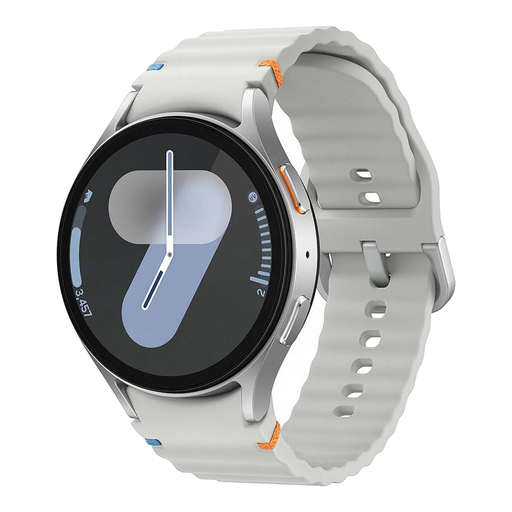 Image unavailable
Samsung Galaxy Watch7 44mm 4G LTE, Silver
Consider this smartwatch if wrist-based communication is important alongside activity tracking. The listed variant is 44mm with 4G LTE; check phone compatibility and the carrier and eSIM requirements before relying on calls away from your phone.
View on Joybuy
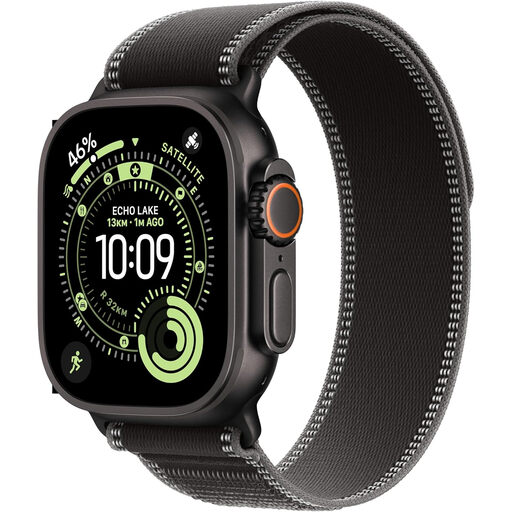 Image unavailable
Apple Watch Ultra 3 GPS + Cellular 49mm, Black/Charcoal Trail Loop S/M
This is a smartwatch choice for an iPhone user who wants GPS activity recording and is considering communication away from the phone. The listed variant has a black titanium case; confirm iPhone compatibility and supported cellular service, and check that the 49mm case suits your wrist.
View on Joybuy
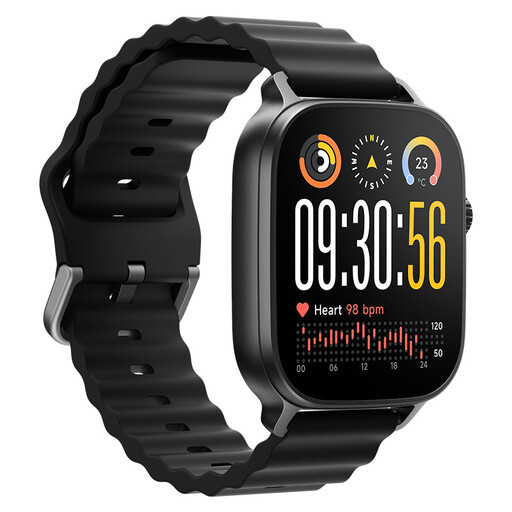 Image unavailable
realme Watch 5 RMW2501, Titanium Black
Consider this model if independent outdoor positioning and Bluetooth calling are both on your checklist. Its title specifies 5-GNSS independent GPS and a 1.97-inch AMOLED screen. Confirm phone compatibility and whether calling needs the paired phone nearby; check the battery-use conditions before relying on the advertised 16-day figure.
View on Joybuy
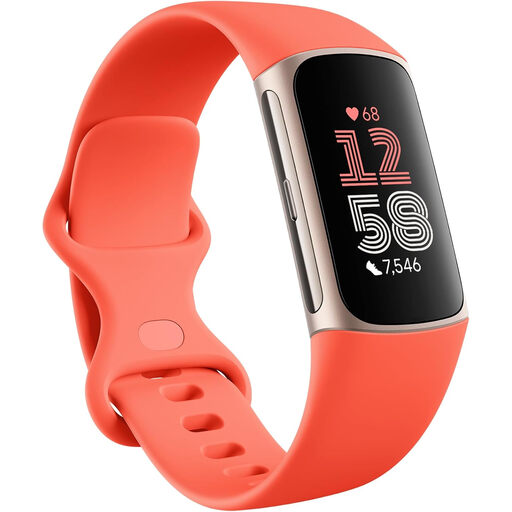 Image unavailable
Fitbit Google Charge 6, Coral/Champagne Gold, with 3 months Google Health Premium
This activity-focused band suits someone considering a compact wearable with a quoted battery life of up to seven days. Google Health identifies Charge 6 as a dynamic-GPS device, so check its behaviour for your phone-free workouts. Also confirm phone compatibility, the alerts you can use and which features need Premium after the included period.
View on Joybuy
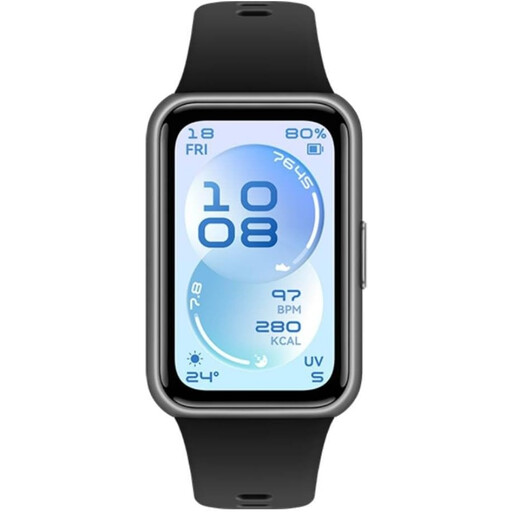 Image unavailable
HUAWEI Band 11, Black Polymer Case
This band is worth considering for routine activity records and notifications from a paired phone. HUAWEI specifies Android 9.0 or later and iOS 13.0 or later for Band 11. Its maximum 14-day battery claim depends on use; check the GPS type if recording routes without your phone matters.
View on Joybuy
Common questions
Can I record an outdoor workout without taking my phone?
Yes, if the exact wearable can record the activity using its own GPS. Google Health explains that phone-connected GPS instead uses the phone’s sensors. Check the model’s GPS mode and the activity you plan to record, rather than relying on a general GPS label.
Will alerts and replies work when my phone is elsewhere?
Only if the wearable supports the actions you need under the available connection. Paired trackers can mirror phone alerts, while Apple Support says communication away from an iPhone on Apple Watch can use suitable Wi-Fi or a compatible cellular model with active supported service. Check your apps, phone and connection before choosing.
Do activity features require a subscription?
That varies by feature and service. The Joybuy listing for Fitbit Charge 6 identifies Daily Readiness Score as a Premium feature and describes an included Premium period. Check whether the particular insight you want remains available after that period and review the current renewal terms before ordering.
Can I swim or shower with any water-resistant wearable?
No. Follow the limits for the exact model and activity. Apple Support distinguishes water resistance from waterproofing, while HUAWEI restricts Band 11 to specified shallow-water use and excludes activities including diving and hot showers.
What should I check before sharing data with a wearable app?
Review its privacy notice, location permissions, sharing controls, account-deletion options and security-update information. The UK Information Commissioner’s Office includes fitness trackers and smartwatches in its consumer connected-device guidance and highlights the sensitivity of biometric and health information.


