For a typical 5K, choose water to replace lost fluid rather than treating a 2-litre fizzy drink as run fuel; the NHS recommends water for this purpose. British Heart Foundation guidance makes electrolyte drinks more relevant in hot conditions, while a fizzy bottle makes more sense as a shared, taste-led drink after the run than one to carry during it.
Who is this decision for?
Casual 5K runners choosing a race-day drink
If you are considering a family-size fizzy bottle for the run, distinguish ordinary fluid replacement from a drink bought for its flavour. The NHS recommends water to replace fluid lost through physical activity.
Runners who want a fizzy drink afterwards
A 2-litre bottle may be a drink to share after running. Check the label to distinguish regular-sugar, reduced-sugar and zero-sugar formulations rather than assuming they serve the same purpose.
Runners with a diabetes exercise plan
General 5K drink advice does not replace an individual plan for managing blood glucose around exercise. Follow the instructions from your diabetes care team for your own circumstances.
What should you check before choosing?
Decide whether the drink is for the run or for sharing afterwards, then check the conditions and bottle label that matter to that choice.
| Priority |
What to check |
Your needs |
| Everyday hydration |
Consider when you will drink and how much you need to carry. For ordinary activity-related fluid loss, the NHS recommends water. |
I want a straightforward drink before or after a typical 5K, rather than carrying a 2-litre carbonated bottle during it. |
| Heat and sweating |
Consider the temperature, duration and how much you sweat. British Heart Foundation guidance advises an electrolyte-containing drink in hot conditions; sugar alone does not establish electrolyte content. |
On a hot day, I want a drink plan suited to the conditions, not an assumption that every 5K needs a sports drink. |
| Bottle size and sugar |
Compare sugars per 100ml and per serving on the current label. Tesco lists its 2-litre Coca-Cola bottle as eight 250ml servings. |
If the bottle is for sharing afterwards, I want to know what a glass contains rather than treat the whole bottle as one portion. |
| Ingredients and tolerance |
Check the exact variant for caffeine and sweeteners. If either matters to you, read the current bottle label and avoid trying an unfamiliar drink for the first time on race day. |
I would rather choose a familiar drink whose ingredients suit me than pick one solely because its name suggests it will provide energy. |
Common buying mistakes
-
Treating 2 litres as one run serving
Tesco's Coca-Cola listing describes a 2-litre bottle as eight 250ml servings. Bottle size alone is a poor guide to the amount you intend to drink.
Decide whether you need a drink to share afterwards or a bottle to carry for ordinary hydration during the run.
-
Assuming fizzy drinks replace sports drinks
British Heart Foundation guidance relates electrolyte drinks to hot conditions. A carbonated drink does not become an electrolyte drink merely because it contains sugar.
For a typical 5K, start with water; consider a different plan when heat or substantial sweating makes it relevant, and practise it before an event.
-
Choosing cola for energy without reading the label
Regular and zero-sugar colas differ in their sugar content, while some formulations list caffeine. Those details matter if you are choosing a drink for a particular ingredient or avoiding one.
Check sugars per serving and the ingredients on the bottle you intend to buy.
-
Applying general advice to diabetes management
North Cumbria Integrated Care's guidance discusses full-sugar drinks in the specific context of managing low blood glucose around exercise. That context is different from choosing routine fuel for a 5K.
Use your individual diabetes exercise and hypo-management plan rather than a general fizzy-drink suggestion.
Brand and product-line references
These examples illustrate label differences in named drinks; they do not establish which products are suitable for fuelling a run.
Coca-Cola
Tesco lists Coca-Cola Original Taste in a 2-litre bottle.
- The listing describes eight 250ml servings, making the family-bottle portion size clear.
- It is a regular-sugar drink; check sugars per serving and the current ingredients label if choosing it after a run.
Pepsi
Pepsi UK's Pepsi Max product information lists 0g sugars and identifies sweeteners and caffeine flavouring.
- The stated zero-sugar formulation helps distinguish this cola from a full-sugar option.
- Zero sugar means it is not a source of sugar-derived run fuel; check the exact bottle if caffeine or sweeteners matter to you.
Sprite
Tesco lists a 2-litre Sprite lemon-lime drink containing sugar and sweeteners.
- The listing gives 4.4g sugars per 100ml and 11g per 250ml for this bottle.
- It is not sugar-free; read the current label if sugar or sweeteners affect your choice.
Fanta
Tesco lists Fanta Orange as a 2-litre sparkling orange drink with sugar and sweeteners.
- The listing gives 4.4g sugars per 100ml and 11g per 250ml for this variant.
- Orange flavour and carbonation do not establish that the drink contains the electrolytes relevant to a hot-weather drink plan.
Dr Pepper
ASDA lists Dr Pepper in a 2-litre bottle and describes it as a sparkling fruit-flavour soft drink.
- The listing identifies eight 250ml portions per bottle.
- Its listed formulation includes sugar, sweeteners and caffeine flavouring; check the current label before choosing it.
Joybuy fizzy drinks for after the run
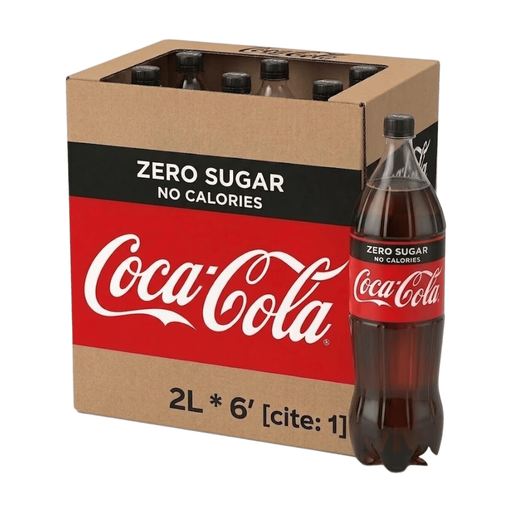
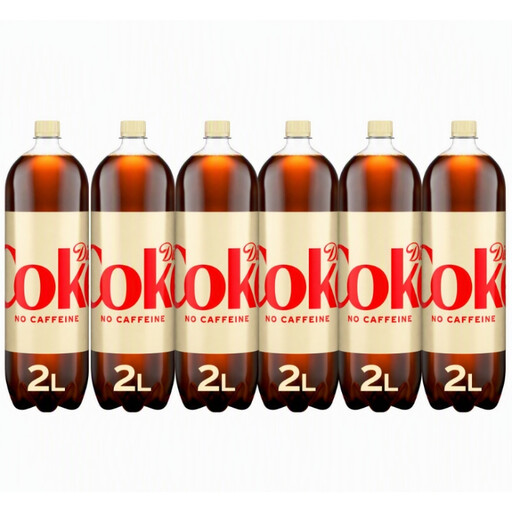
These six-packs of 2-litre zero-sugar cola are options for sharing a fizzy drink after a 5K, not substitutes for an ordinary run hydration plan.
 No image available
Coca-Cola Zero Sugar 2L x 6
A fizzy cola to share after the run rather than use as 5K fuel. The pack contains six 2L bottles, and the product information states 0g sugars per 100ml. Caffeine is listed; check the bottle label if its amount matters to you.
View on Joybuy
 No image available
Diet Coke Caffeine Free 2L x 6
A six-pack of 2L fizzy cola bottles for sharing after a 5K, rather than drinking as run fuel. The product information states 0g sugars per 100ml. Although the product name says Caffeine Free, other listing wording mentions caffeine; check the bottle label before buying if that distinction matters to you.
View on Joybuy
Questions about fizzy drinks and 5K runs
Should I use a 2-litre fizzy drink as fuel during a typical 5K?
No, not as a default run drink. The NHS recommends water to replace fluid lost through physical activity, while a 2-litre fizzy bottle is a family-size format better considered separately from what you carry during the run.
When should I consider an electrolyte drink?
British Heart Foundation guidance advises drinks with electrolytes in hot conditions. Consider the temperature, duration and how much you sweat rather than assuming that every 5K calls for one; a sugary fizzy drink is not automatically an electrolyte drink.
Does a zero-sugar cola provide carbohydrate for running?
A cola listed as having zero carbohydrate and zero sugars, such as Pepsi Max on Pepsi UK's product page, does not provide carbohydrate as run fuel. If you want it for flavour after running, choose it on that basis rather than treating it as a fuelling plan.
Does general 5K drink advice apply if I manage diabetes?
No general drink choice should replace your individual diabetes exercise plan. North Cumbria Integrated Care discusses full-sugar fizzy drinks in the specific context of managing low blood glucose; follow the guidance given by your diabetes care team for your circumstances.


