What should you check first?
Decide whether you need fluid, carbohydrate or simply a drink you enjoy after the run. Then compare cans by their serving labels, not just the multipack size.
| Priority | What to check | Your needs |
|---|
| Replacing fluid |
Consider what you will drink after sweating. The NHS identifies water as the best way to replace lost fluid; a preferred fizzy flavour is a separate consideration. |
I want a straightforward drink after my run and can choose a fizzy can separately for its flavour. |
| Carbohydrate before running |
Check whether you have time for food and whether you tolerate it before a run. UK Sports Institute guidance also allows for a carbohydrate drink if breakfast has been missed. |
If I cannot eat beforehand, I need a carbohydrate option I can trial before the event, rather than relying on a canned soft drink by default. |
| Sugar per can |
Compare the same serving size. Tesco lists 35 g sugars per 330 ml for Coca-Cola Original Taste and 0 g for its listed Sprite No Sugar; its Fanta Orange Zero listing gives 2.0 g despite the no-added-sugar wording. |
For a taste-led drink, I want to know what one can contains. I will not assume that “no added sugar” means zero sugars. |
| Caffeine and ingredients |
Read the current ingredients for caffeine, sweeteners and any phenylalanine statement. The researched Coca-Cola Original Taste and Pepsi Classic listings include caffeine; Tesco labels its listed Sprite No Sugar product caffeine-free. |
Caffeine matters to me, so I need to check the particular multipack and account for other drinks I have. |
Relevant drink brands
These label examples describe particular UK product listings, not every drink or pack sold under each brand.
Coca-Cola
Original Taste is a regular cola option for a flavour-led purchase.
- Tesco lists 35 g sugars per 330 ml for its Original Taste 8-pack.
- The listed ingredients include caffeine; the sugar content alone does not make it a sports drink.
Pepsi
Pepsi Classic is another regular cola to compare by its per-can label.
- Pepsi UK lists 15 g sugars per 330 ml for Pepsi Classic, compared with the 35 g Tesco lists for the researched Coca-Cola Original Taste can.
- Pepsi Classic’s listed ingredients include caffeine; it is not a purpose-designed running drink.
Sprite
The researched Sprite No Sugar listing is a lemon-and-lime option for a taste-led drink without listed sugar.
- Tesco lists 0 g sugars per 330 ml and labels that product caffeine-free.
- The listing also carries a phenylalanine statement; check the label on the pack you buy.
Fanta
Fanta Orange Zero offers an orange-flavoured alternative to the researched colas.
- Tesco lists 2.0 g sugars per 330 ml for its Orange Zero product.
- Its no-added-sugar wording does not mean zero sugars; the listing also identifies sweeteners.
Dr Pepper
The researched Dr Pepper 8-pack is a flavoured fizzy-drink choice rather than a running-specific drink.
- Tesco lists 16 g sugars per 330 ml for that 8-pack.
- Its listed ingredients include caffeine; check the current can if caffeine or sugar matters to you.
Joybuy fizzy-drink multipacks
These canned multipacks are options for an occasional fizzy drink around a 5k. Choose pre-run fuel and fluid replacement on their own terms rather than treating the cans as a running plan.
 No image available
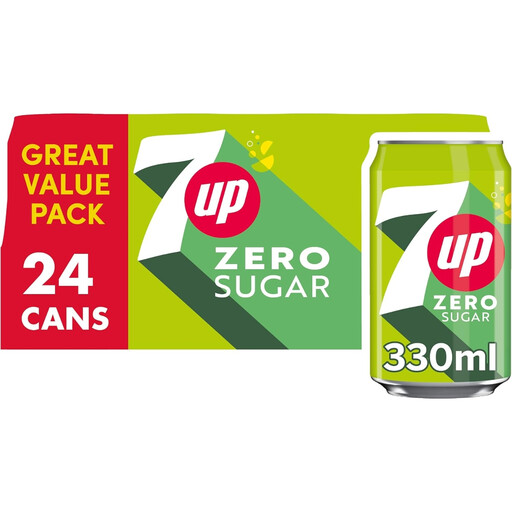
7UP Zero, 24 × 330 ml
A multipack to consider if you want a fizzy can after running. Check the current label for sugar, caffeine, sweeteners and any phenylalanine statement where these affect your choice.
 No image available
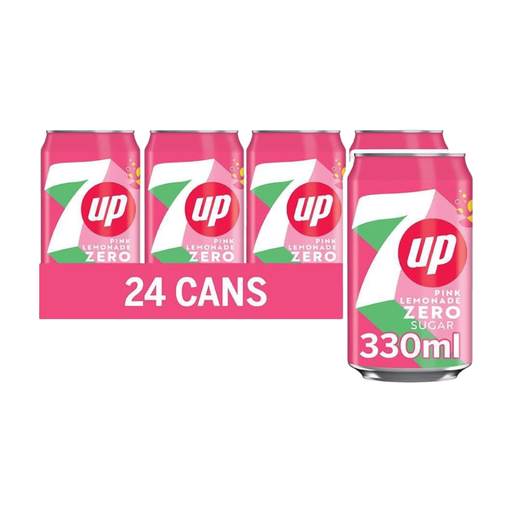
7 Up Lemonade Zero, 24 × 330 ml
Another 24-can option for a taste-led drink after a run. Read the can label if sugar, caffeine, sweeteners or phenylalanine information matters to you; plan any needed carbohydrate separately.
 No image available
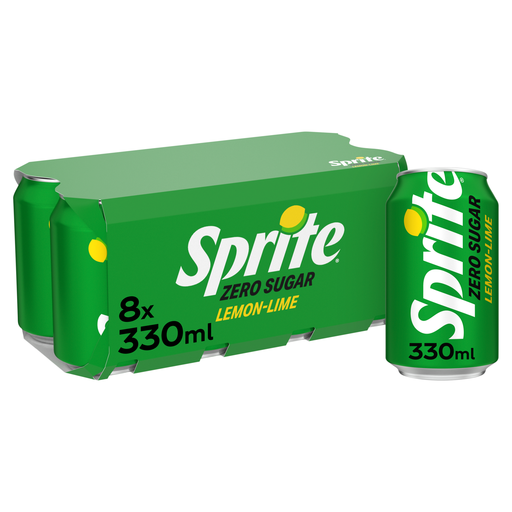
Sprite No Sugar, 8 × 330 ml
The No Sugar variant is a smaller multipack for an occasional fizzy drink, not a substitute for planning pre-run food. If you avoid caffeine or need to check sweeteners, read the label on this exact pack.
 No image available
PEPSI Max, 24 × 330 ml
A cola multipack for someone choosing flavour after a run rather than a drink-based fuelling plan. Check sugar and caffeine information per can, along with sweeteners, on the current label.
 No image available
Coca-Cola Zero Sugar, 24 × 330 ml
The Zero Sugar variant is an option if you want cola flavour without choosing regular sugary cola. It is not a pre-run food choice; check caffeine, sweeteners and any phenylalanine statement on the current can if relevant.
Questions about drinks around a 5k
Should a fizzy-drink multipack be my main 5k fuel?
No: do not choose one on the assumption that its sugar makes it suitable running fuel. UK Sports Institute guidance gives carbohydrate-containing food before a run as an option, or a carbohydrate drink if breakfast has been missed; trial timing and tolerance before an event.
Will a no-sugar fizzy drink provide carbohydrate for the run?
Do not rely on it for carbohydrate. Tesco lists 0 g carbohydrate per 330 ml for its researched Sprite No Sugar product and 2.0 g per 330 ml for its Fanta Orange Zero product. If you need pre-run food, plan that separately.
Can I choose cola instead of water after a 5k?
You can choose cola for its flavour, but the NHS identifies water as the best way to replace fluid lost through sweating. Keep that rehydration need separate from whether you fancy a fizzy drink.
What matters on a fizzy-drink multipack label?
Compare the can size and sugars per can, then read the ingredients for caffeine, sweeteners and any phenylalanine statement. Check the pack you receive, because ingredients and nutrition information can change.
What if I need to limit caffeine during pregnancy?
Count caffeine from all sources, including cola: the NHS advises no more than 200 mg a day during pregnancy. Check the caffeine information for the particular drink before choosing it; a product name or pack colour is not enough to establish its caffeine content.


