Commuters reducing sugar
A 330ml can is easy to take with breakfast, but a diet or zero-sugar name does not tell you everything about the drink. Compare sugars and energy for the whole can you plan to drink.


If you want a fizzy drink with a grab-and-go breakfast while reducing free sugars, compare the sugars and energy for the whole can and consider a zero-sugar option instead of a sugary one. Check caffeine and sweetener ingredients separately. NHS guidance says carbonated drinks are associated with dental erosion regardless of sugar content, so water or plain milk makes more sense when avoiding acidic drinks is the priority.
A 330ml can is easy to take with breakfast, but a diet or zero-sugar name does not tell you everything about the drink. Compare sugars and energy for the whole can you plan to drink.
Check the exact variant rather than relying on its cola or zero-sugar name. Tesco lists caffeine in Pepsi MAX 330ml, while its separate Pepsi MAX No Caffeine listing explicitly says it contains no caffeine.
NHS guidance associates carbonated drinks with dental erosion regardless of sugar content. It also says fizzy drinks should not be given to babies and young children, and does not recommend diet or reduced-sugar drinks for them.
Start with the nutrition panel for the portion you will drink, then check ingredients and whether a fizzy drink suits the occasion at all.
| Priority | What to check | Your needs |
|---|---|---|
| Sugars and energy | Read sugars and energy per can, not just per 100ml. Check the serving size and the nutrition panel alongside any zero-sugar wording. | I want a breakfast add-on that does not add the sugars in a standard sugary fizzy drink. A front-of-pack name alone is not enough for my choice. |
| Caffeine | Look for an explicit caffeine-free statement and check the ingredients of the exact variant. Tesco lists caffeine in Pepsi MAX 330ml but describes Pepsi MAX No Caffeine as caffeine-free. | If I avoid caffeine, a zero-sugar cola is only an option once I have checked which version it is. |
| Sweeteners | Read the ingredients for particular sweeteners. NHS guidance says aspartame is unsuitable for people with phenylketonuria (PKU) because it contains phenylalanine. | I need to check the exact label if PKU or another ingredient restriction affects my choice. |
| Acidity and age | Do not use zero sugar as a measure of dental impact. The NHS associates carbonated drinks with dental erosion and advises against fizzy drinks for babies and young children. | For a child’s drink, or when avoiding acidic drinks matters, I would choose something other than fizzy pop. |
| Can and pack size | Compare the can size with the nutrition serving size. For a multipack, check that its exact drink variant meets your ingredient requirements. | A single can is easier to assess as one breakfast portion; before choosing a multipack, I want to know that I like the flavour and have checked its label. |
NHS guidance associates carbonated drinks with dental erosion because of their acid content, whether or not they contain sugar.
If avoiding acidic drinks is important, choose water or plain milk rather than relying on a zero-sugar label.
Tesco lists caffeine in Pepsi MAX 330ml and describes the separately named Pepsi MAX No Caffeine as caffeine-free.
Check for an explicit caffeine-free statement and read the ingredients on the exact drink you are buying.
Tesco lists 1.3g sugars per 330ml can of Fanta Orange Zero, while its listings for Sprite Zero Sugar and Pepsi MAX 330ml state 0g sugars per can.
Compare sugars, energy and serving size on the exact can or bottle rather than assuming similarly named drinks have identical values.
These examples distinguish particular drinks and variants; a brand name alone does not establish the nutrition or caffeine content of every product it sells.
Coca-Cola Zero Sugar is a cola option for shoppers looking at a 330ml can.
Pepsi MAX and Pepsi MAX No Caffeine are distinct cola choices when caffeine matters.
Sprite Zero Sugar offers a lemon-and-lime alternative to cola.
Fanta Orange Zero is a fruity option that Tesco describes as caffeine-free.
Dr Pepper Zero is a separately named fizzy-drink option.
These canned multipacks offer cola and other fizzy-drink options for a grab-and-go breakfast. Check the label of the exact variant for the sugars, caffeine and ingredients that matter to you.
 No image available
A cola option when avoiding caffeine is part of the breakfast choice. Joybuy describes this 330ml-can variant as containing no sugar and no caffeine, with 2 calories per can. NHS guidance says aspartame is unsuitable for people with PKU; check the exact pack’s ingredients and warnings if that applies to you.
 No image available
A cola multipack with individual 330ml cans. Tesco lists caffeine in the ingredients of Pepsi MAX 330ml; check this pack’s label if caffeine avoidance or a particular sweetener restriction affects your choice.
 No image available
A Coca-Cola Zero Sugar multipack in 330ml cans. Compare the current pack’s per-can nutrition and ingredients if caffeine or a particular sweetener matters; the zero-sugar name does not address the acidity of a carbonated drink.
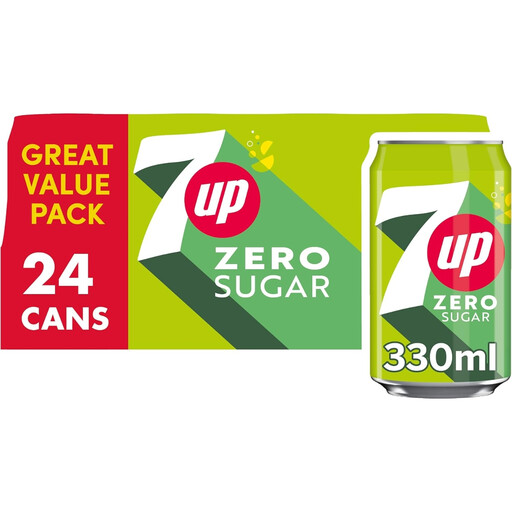 No image available
A non-cola choice supplied as 330ml cans. Check the exact pack’s nutrition and ingredients to see whether its sugars, sweeteners and caffeine information meet your requirements.
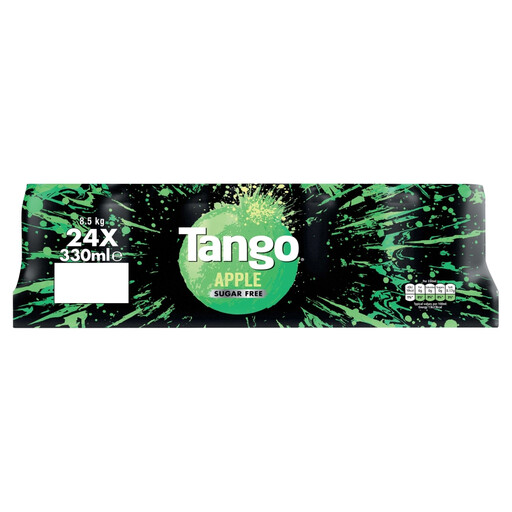 No image available
An apple-flavoured alternative to cola in 330ml cans. If you need to avoid caffeine, confirm its status on the exact pack; also read the nutrition and ingredients rather than relying on the sugar-free name alone.
It can be a swap when reducing free sugars is your reason for choosing between fizzy drinks. NHS guidance includes sugar-free or diet drinks as alternatives to sugary fizzy drinks, but their sugar content does not remove the dental-erosion consideration associated with carbonation.
No. The NHS associates carbonated drinks with dental erosion because of their acid content, regardless of whether they contain sugar or sweeteners. If avoiding acidic drinks is the priority, consider water or plain milk instead.
Tesco describes Pepsi MAX No Caffeine and Fanta Orange Zero as caffeine-free. Its Pepsi MAX 330ml ingredients include caffeine, so check the exact variant rather than assuming a zero-sugar drink is caffeine-free.
NHS guidance says fizzy drinks should not be given to babies and young children because they are acidic and can damage tooth enamel. It also does not recommend diet or reduced-sugar drinks for them.
The NHS says aspartame is unsuitable for people with phenylketonuria (PKU) because it contains phenylalanine. Read the exact drink’s ingredients and warnings: a zero-sugar name does not identify which sweeteners it contains.