Parents stocking up for the holidays
Compare standard and no-sugar versions by their labels, rather than assuming a familiar brand or fruit flavour tells you how much sugar a drink contains.


For school-holiday snacks at home, compare sugars per 100ml on the exact drink: choose a clearly labelled no-sugar variant if reducing sugar from drinks is your priority, and an explicitly caffeine-free variant if caffeine matters too. A standard recipe may be the flavour you want, but its label should not be treated as interchangeable with a no-sugar version. Drinks supplied to pupils on school premises in England require a separate school-food standards check.
Compare standard and no-sugar versions by their labels, rather than assuming a familiar brand or fruit flavour tells you how much sugar a drink contains.
Look for an explicitly caffeine-free drink when that is a household requirement. A no-sugar cola is not necessarily caffeine-free.
Buying drinks to supply to pupils on school premises is a different decision from buying snacks for home. The applicable school-food standards need checking for the specific setting and product.
For home snacks, settle the sugar and caffeine requirements before choosing a flavour or pack format. If the drinks will be supplied at school, establish which rules apply before ordering.
| Priority | What to check | Your needs |
|---|---|---|
| Sugar | Compare sugars per 100ml on the exact variant. Check the nutrition panel again when switching between standard and no-sugar recipes. | I want to know how much sugar the drink adds when I buy snacks throughout the holidays. |
| Caffeine | Look for an explicit caffeine-free designation and check the ingredients on the pack. Pepsi UK lists caffeine in standard Pepsi Max, but describes Pepsi Max Caffeine Free as containing none. | If our household avoids caffeine, choosing a no-sugar cola alone does not settle the question. |
| Flavour | Choose the cola, lemon-and-lime or fruit-flavour variant you intend to buy, then check that variant’s sugar and caffeine information. Flavour names are not nutrition values. | We may prefer a non-cola drink, but I still want to compare its label with a cola’s on the same basis. |
| Pack format | Check the number of containers and the volume of each one. Compare the amount you plan to serve with the labelled serving information. | A multipack is useful for stocking up only if its container size and quantity suit our plans. |
| School setting | Establish whether drinks are being supplied to pupils on school premises. For state-funded schools in England, check the current school-food standards and the exact product. | I need to keep a home snack purchase separate from a purchase for school provision. |
Variants within a brand can differ. Pepsi UK lists 4.5g sugars per 100ml for standard Pepsi, while Coca-Cola GB describes Sprite Zero as a no-sugar drink.
Use the sugars-per-100ml figure on the exact pack when comparing drinks.
Pepsi UK lists caffeine among standard Pepsi Max ingredients and separately identifies Pepsi Max Caffeine Free as containing no caffeine.
If caffeine avoidance matters, choose an explicitly caffeine-free variant and check its ingredient list.
The Department for Education’s school-food guidance concerns food and drink supplied to pupils in state-funded schools in England. It does not classify every drink bought for home use.
For school provision, check the current rules for the relevant nation, setting and product; for home snacks, compare the drinks’ labels against your household’s requirements.
These examples show why the exact variant matters; a brand name alone does not establish a drink’s sugar or caffeine content.
A cola reference for shoppers looking for a specifically caffeine-free, no-sugar variant.
Its standard, no-sugar and caffeine-free no-sugar colas call for different label checks.
A lemon-and-lime option for comparing standard and no-sugar versions.
A fruit-flavour reference where the flavour and recipe both matter.
A further flavour option available in standard and Zero-labelled formats in Tesco Groceries’ listing.
An own-brand reference alongside the branded drinks in its fizzy-drinks listing.
These options cover a lemonade variant and several cola variants in multipacks for home school-holiday snacks. Check each pack for the sugar and caffeine requirements that matter to your household.
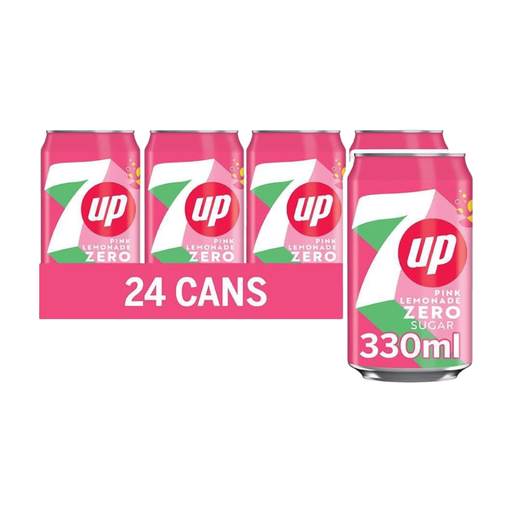 No image available
A lemonade option if you prefer a non-cola flavour for home snacks. The pack contains 24 × 330ml; check its nutrition and ingredient label for the exact sugar information and any ingredients relevant to your household.
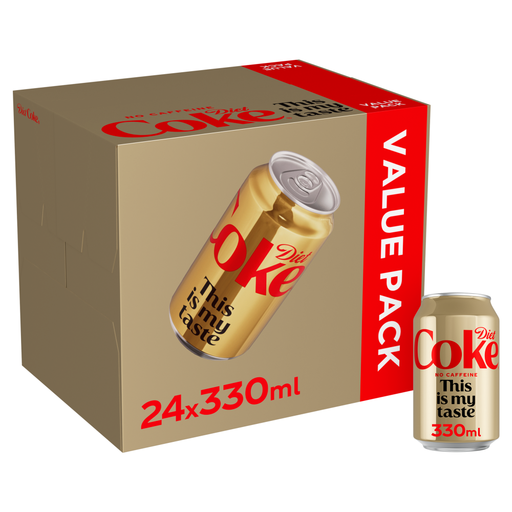 No image available
A No Caffeine cola variant for households looking to avoid caffeine. The pack contains 24 × 330ml; check the exact pack’s nutrition panel and ingredient information when comparing it with other colas.
 No image available
A cola variant for choosing against both sugar and caffeine: Pepsi UK describes Pepsi Max Caffeine Free as containing neither. This pack contains 24 × 330ml; check its ingredient label if sweeteners or a source of phenylalanine matter to your household.
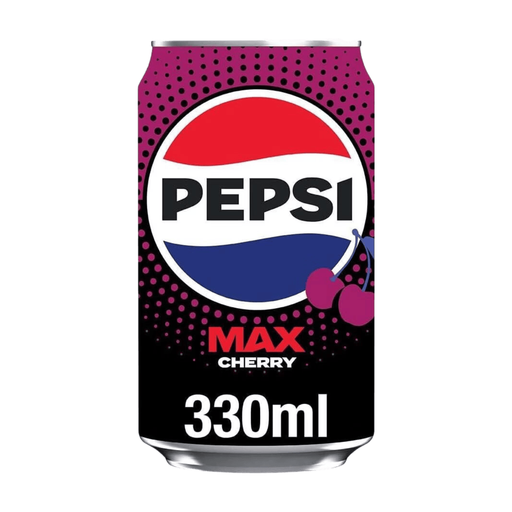 No image available
A cherry-cola option in an 8 × 330ml pack. Its recorded ingredients include caffeine, so choose an explicitly caffeine-free variant instead if avoiding caffeine is a requirement; check this pack’s nutrition and ingredient label too.
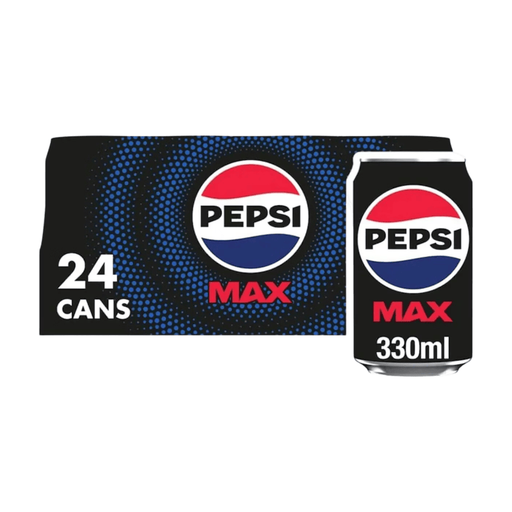 No image available
A cola option in a 24 × 330ml pack. Pepsi UK lists caffeine among Pepsi Max ingredients, so this is not the caffeine-free variant; check the pack’s nutrition panel when comparing sugar values.
No. For food and drink supplied to pupils in state-funded schools in England, the Department for Education says school-food standards are a legal requirement. Check the current standards and the exact product before buying for that setting; a no-sugar claim alone does not establish whether a drink qualifies.
The Department for Education’s cited standards concern food and drink provided to pupils on school premises in England, not an ordinary household purchase for home. For home snacks, you can compare the exact drinks’ nutrition and ingredient labels against your household’s needs.
Choose a variant explicitly identified as caffeine-free and check its sugar information on the pack. Coca-Cola GB describes Coca-Cola Zero Sugar Caffeine Free as having neither sugar nor caffeine, and Pepsi UK makes the same distinction for Pepsi Max Caffeine Free. Standard Pepsi Max lists caffeine among its ingredients.
No conclusion follows from the flavour name alone. Pepsi UK lists 4.5g sugars per 100ml for standard Pepsi, while Coca-Cola GB identifies Sprite Zero as a no-sugar lemon-and-lime drink. Compare sugars per 100ml on the exact fruit-flavour and cola variants you are considering.
Checking sugars per 100ml lets you distinguish the contribution of each drink rather than relying on its flavour or brand name. The NHS identifies too much sugary food and drink as a common factor in tooth decay, so the exact label is relevant when choosing drinks for snacks throughout the holidays.