Campers cutting back on sugary drinks
If fizzy drinks are part of your camping food shop, compare sugars per 100ml so you can distinguish a standard drink from a zero-sugar version.


For a camping trip where reducing sugar matters, choose a fizzy drink whose nutrition panel confirms 0g sugars per 100ml rather than relying on its name alone. If you also want to avoid caffeine, choose a specifically caffeine-free variant; then consider flavour, pack size and what you will do with the empty cans or bottles.
If fizzy drinks are part of your camping food shop, compare sugars per 100ml so you can distinguish a standard drink from a zero-sugar version.
A cola-style drink can still fit the flavour you want without caffeine, provided you choose a variant explicitly labelled caffeine-free. A zero-sugar label does not answer that question.
Cola, lemon-lime and fruit-flavoured choices give a group options. Count the cans or bottles you take so you can also plan to collect the empties.
Start with the nutrition and ingredient labels for each exact drink, then choose flavours and a pack format that work for the trip.
| Priority | What to check | Your needs |
|---|---|---|
| Sugar | Compare sugars per 100ml and the amount in the serving you will drink. Coca-Cola GB lists 10.6g sugars per 100ml for Coca-Cola Original Taste and 0g for Coca-Cola Zero Sugar. | I want to see what each drink contributes to my sugar intake before adding it to the camping food shop. |
| Caffeine | Check the exact variant for a caffeine-free statement or caffeine in the ingredients. Pepsi UK identifies Pepsi MAX No Caffeine as caffeine-free; standard Pepsi MAX lists flavourings including caffeine. | Someone in our group wants a cola-style drink but avoids caffeine, particularly later in the day. |
| Ingredients | Read the sweetener list and any source-of-phenylalanine statement on the exact pack. Coca-Cola GB and Pepsi UK list these statements on several of their zero-sugar variants. | If an ingredient restriction matters to anyone coming, I need to check their drink rather than assume zero sugar covers every dietary requirement. |
| Flavour | Once the sugar and caffeine requirements are met, compare cola, lemon-lime and fruit-flavoured options. Check each variant separately: a flavour name does not establish its caffeine status. | We want a choice of flavours with our camping food without losing track of the label requirements that matter to the group. |
| Empty packaging | Plan where each can or bottle will go. The Countryside Code for England and Wales says to take rubbish home, use public bins or recycle where possible; also follow campsite instructions. | I need a way to carry empties out if there is no suitable bin where we camp. |
Coca-Cola GB lists caffeine flavouring in Coca-Cola Zero Sugar, and Pepsi UK lists it in standard Pepsi MAX. Pepsi MAX No Caffeine is a separate variant.
Check both the nutrition panel and the caffeine information on the exact product you pack.
Coca-Cola GB lists 10.6g sugars per 100ml for Coca-Cola Original Taste. The NHS advises adults to have no more than 30g of free sugars a day.
Compare sugars per 100ml and the serving size before deciding between a standard and a zero-sugar version.
Zero-sugar variants can contain sweeteners and carry a source-of-phenylalanine statement. Their ingredient lists are not interchangeable.
Read the exact pack for anyone who needs to check particular ingredients or suitability statements.
Cans and bottles still need collecting when a campsite has no suitable disposal point.
Bring a bag for empties. The Countryside Code for England and Wales says to take rubbish home, use public bins or recycle where possible; follow local signs and campsite instructions too.
Coca-Cola GB provides standard cola, zero-sugar cola and Sprite Zero Sugar panels that help distinguish sugar content and flavour.
Pepsi UK distinguishes standard Pepsi MAX from the specifically caffeine-free Pepsi MAX No Caffeine variant.
Dr Pepper Zero is a fruit-flavoured zero-sugar option for campers who do not want cola or lemon-lime.
These can multipacks cover cola, apple and lemon-lime choices for camping. Check each exact pack for sugar, caffeine and ingredients before choosing for the group.
 No image available
A caffeine-free cola option in individual cans for a group trip. Check sugars per 100ml, sweeteners and suitability statements on the exact pack if those details affect your choice.
 No image available
A zero-sugar cola multipack for camping meals. Coca-Cola GB lists 0g sugars per 100ml for Coca-Cola Zero Sugar; its ingredients include caffeine flavouring and sweeteners, with a source-of-phenylalanine statement.
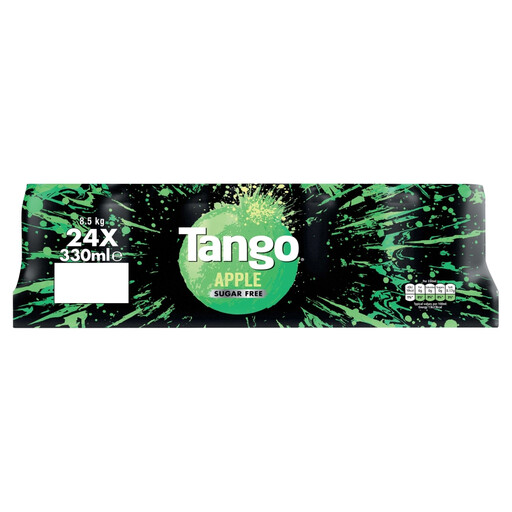 No image available
An apple-flavoured, sugar-free choice when the group wants something other than cola. Check the exact pack’s caffeine information if avoiding caffeine matters, and read its ingredient list for sweeteners.
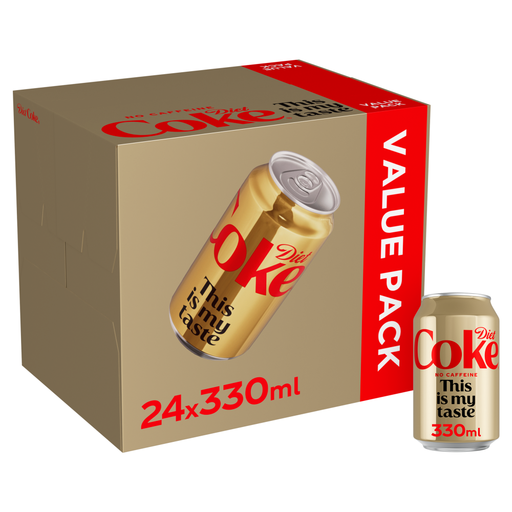 No image available
A no-caffeine cola option in a can multipack. If reducing sugar or checking particular ingredients is part of the decision, read the nutrition and ingredient panels on this exact variant.
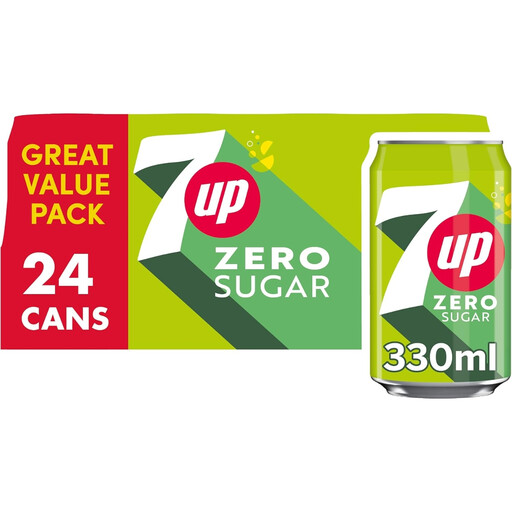 No image available
A lemon-lime alternative to the cola multipacks. Check sugars per 100ml and caffeine status on this exact pack, along with its ingredients if anyone in the group has specific restrictions.
No. Coca-Cola GB lists caffeine flavouring in Coca-Cola Zero Sugar, while Pepsi UK lists it in standard Pepsi MAX and identifies Pepsi MAX No Caffeine as a separate caffeine-free option. Check the exact variant’s label.
Compare sugars per 100ml, then consider the serving size. Coca-Cola GB lists 10.6g sugars per 100ml for Coca-Cola Original Taste and 0g for Coca-Cola Zero Sugar. The NHS advises adults to have no more than 30g of free sugars a day.
The Coca-Cola Zero Sugar, Pepsi MAX, Pepsi MAX No Caffeine, Sprite Zero Sugar and Dr Pepper Zero ingredient information lists sweeteners. These products also carry a source-of-phenylalanine statement, so read the exact pack if that statement matters to someone in your group.
Collect them rather than leaving them at the campsite or outdoors. The Countryside Code for England and Wales says to take rubbish home, use public bins or recycle where possible; follow campsite instructions and local signs as well.