For an everyday fizzy drink, compare sugars and carbohydrate per 100ml on the exact pack rather than relying on the words ‘no added sugar’. Coca-Cola Great Britain and Pepsi UK each list 0g sugars and 0g carbohydrate per 100ml for Coca-Cola Zero Sugar and Pepsi MAX respectively; for other flavours, check the individual nutrition panel and any ingredients you wish to avoid. Diabetes UK distinguishes sugar-free everyday drinks from sugary drinks used to treat a hypo: a zero-sugar drink is not a hypo treatment.
Who is this choice for?
People with diabetes choosing an everyday drink
Diabetes UK includes sugar-free soft drinks among drinks that count towards fluid intake, while describing water as the best all-round drink. If you compare drinks by carbohydrate, check the figures on the pack you intend to buy.
Cola drinkers comparing familiar options
Coca-Cola Great Britain lists Coca-Cola Zero Sugar, and Pepsi UK lists Pepsi MAX, at 0g sugars and 0g carbohydrate per 100ml. Their ingredient lists differ, so flavour preference is not the only consideration.
Shoppers considering caffeine or non-cola flavours
Fruit, lemon-lime and ginger-beer-style drinks offer alternatives to cola. Check the exact product’s sugars, carbohydrate, caffeine information and sweeteners rather than assuming drinks in the same category have the same recipe.
What should you check?
Start with the nutrition panel, then consider ingredients and flavour. Keep an everyday sugar-free choice separate from any drink used in a hypo plan.
| Priority | What to check | Your needs |
|---|
| Sugars and carbohydrate |
Compare both figures per 100ml on the exact flavour and pack. Check the serving size if you also compare whole cans or bottles. |
I want to compare everyday drinks by their stated sugars and carbohydrate, not just by a ‘zero’ or ‘no added sugar’ name. |
| Hypo treatment |
Keep an appropriate fast-acting carbohydrate treatment separate from zero-sugar drinks. Follow your individual diabetes-care plan. |
If I use a drink as part of a hypo plan, I need to distinguish it from the sugar-free drink I might choose at other times. Diabetes UK says sugary, non-diet drinks can be a hypo-treatment option when they provide the required carbohydrate. |
| Caffeine and sweeteners |
Read the ingredients and any phenylalanine statement. If avoiding caffeine, check that the exact drink is labelled caffeine-free. |
Caffeine or a particular sweetener may affect which flavour I choose. Coca-Cola Great Britain and Pepsi UK list aspartame and caffeine-related ingredients for Coca-Cola Zero Sugar and Pepsi MAX. |
| Flavour and format |
Compare cola with fruit, lemon-lime or ginger-beer-style options. Recheck the nutrition and ingredients when changing flavour or pack. |
I might prefer something other than cola, but I do not want to assume every flavoured or own-label drink has the same sugars or carbohydrate. |
Common buying mistakes
-
Reading ‘no added sugar’ as ‘no sugar or carbohydrate’
Front-of-pack wording alone does not tell you both nutrition values for the drink in your hand.
Compare sugars and carbohydrate per 100ml on the exact ginger beer, fruit drink or other flavour rather than using a different zero-sugar drink as a substitute for its figures.
-
Keeping a zero-sugar drink for a hypo
A zero-sugar drink does not supply the fast-acting carbohydrate described in Diabetes UK’s hypo guidance.
Keep the treatment specified in your individual diabetes-care plan separately. Diabetes UK identifies a sugary, non-diet drink as one possible option when it supplies the required carbohydrate.
-
Assuming zero sugar also means caffeine-free
Coca-Cola Great Britain and Pepsi UK list caffeine-related ingredients and aspartame for Coca-Cola Zero Sugar and Pepsi MAX; both also carry phenylalanine statements.
Check the ingredients on the precise drink you choose. If caffeine-free matters to you, look for that wording on the product itself.
-
Using a category listing as the final product label
A listing can help you find a flavour without establishing that every drink in that category has the same nutrition or ingredients.
Check the individual product information or the can or bottle, particularly when switching to an own-label or no-added-sugar variety.
Brand and own-label examples
These names offer starting points for comparing flavours and labels; their listed products should not be treated as nutritionally interchangeable.
Coca-Cola
Coca-Cola Zero Sugar is a specific alternative to Coca-Cola Original Taste, not a nutrition description of every Coca-Cola drink.
- Coca-Cola Great Britain lists 0g sugars and 0g carbohydrate per 100ml for Coca-Cola Zero Sugar.
- Its listed ingredients include aspartame and caffeine flavouring, and the product carries a phenylalanine statement.
Pepsi
Pepsi MAX is the Pepsi product with stated zero-sugar nutrition figures in this comparison.
- Pepsi UK lists 0g sugars and 0g carbohydrate per 100ml for Pepsi MAX.
- Its listed ingredients include aspartame and flavourings including caffeine; it carries a phenylalanine statement.
Fanta
Fanta Zero Orange and Fanta Zero Fruit Twist are fruit-flavoured, non-cola names listed by Tesco Groceries.
- The two named flavours give shoppers distinct options to compare.
- Check each flavour’s individual nutrition panel and ingredients before choosing.
Sprite
Sprite Zero Sugar is a lemon-lime option listed by Tesco Groceries.
- Its named flavour offers an alternative to cola.
- Use the exact pack to check carbohydrate, caffeine information and sweeteners.
Dr Pepper
Tesco Groceries lists Dr Pepper Zero as an alternative to the standard drink.
- It provides another named zero variety to consider.
- Check the individual product’s nutrition and ingredients rather than inferring them from its name.
Tesco
Tesco Groceries lists own-label Lemon & Lime Zero, Orange Zero and No Added Sugar Ginger Beer.
- The named options cover several flavours beyond cola.
- ‘No added sugar’ is not a substitute for comparing sugars and carbohydrate on the exact drink.
Joybuy fizzy drink options
These options include zero-labelled cola and lemonade, a cherry-flavoured cola and a No Caffeine Diet Coke pack. Compare each exact pack’s nutrition and ingredients for the choice that matters to you.
 No image available
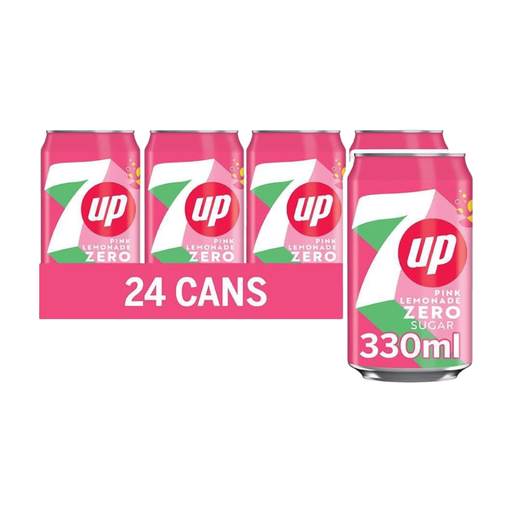
7 Up Lemonade Zero, 24 × 330ml
A lemonade option if you prefer a non-cola flavour. The pack contains 24 × 330ml; check its nutrition panel and ingredients on the exact product.
View on Joybuy
 No image available
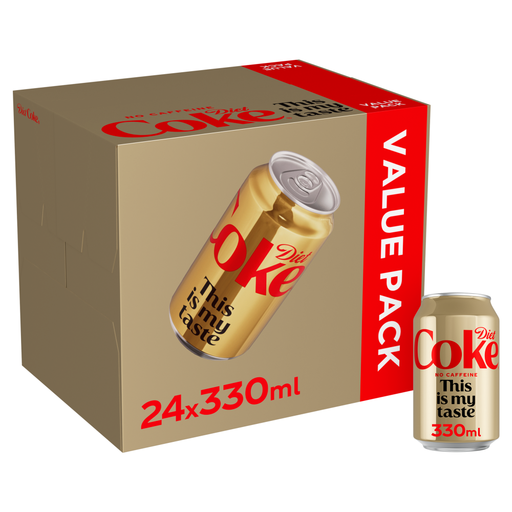
Diet Coke No Caffeine, 24 × 330ml
A cola option labelled No Caffeine in a 24 × 330ml pack. Check the exact pack for sugars, carbohydrate and sweeteners as well as its caffeine wording.
View on Joybuy
 No image available
Pepsi MAX, 24 × 330ml
A cola choice in a 24 × 330ml pack. Pepsi UK lists Pepsi MAX at 0g sugars and 0g carbohydrate per 100ml; its listed ingredients include aspartame and flavourings including caffeine. Check the pack’s current label.
View on Joybuy
 No image available
Coca-Cola Zero Sugar, 24 × 330ml
A cola choice in a 24 × 330ml pack. Coca-Cola Great Britain lists Coca-Cola Zero Sugar at 0g sugars and 0g carbohydrate per 100ml; its listed ingredients include aspartame and caffeine flavouring. Check the pack’s current label.
View on Joybuy
 No image available
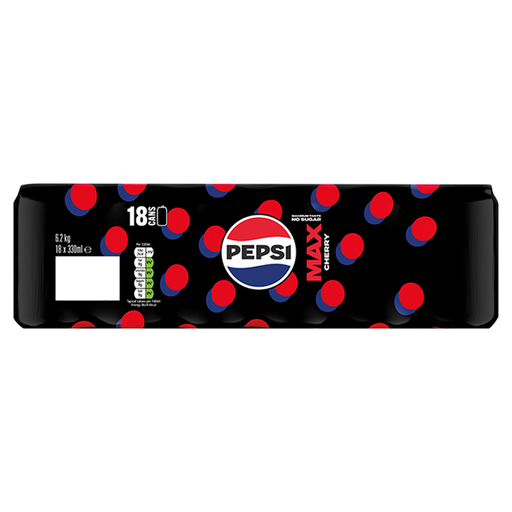
Pepsi MAX Cherry, 18 × 330ml
A cherry-flavoured cola option in an 18 × 330ml pack. Check this flavour’s own sugars, carbohydrate, caffeine information and sweeteners rather than using figures for standard Pepsi MAX.
View on Joybuy
Questions about choosing a drink
Can a sugar-free fizzy drink be an everyday choice if I have diabetes?
Diabetes UK includes sugar-free soft drinks among drinks that count towards fluid intake, while describing water as the best all-round drink. Compare the exact drink’s nutrition panel with the needs in your individual diabetes-care plan.
Does ‘no added sugar’ mean the same thing as ‘sugar free’?
Do not treat the phrases as interchangeable nutrition figures. To compare fizzy drinks, read both sugars and carbohydrate per 100ml on the exact flavour and pack.
Can a zero-sugar fizzy drink treat a hypo?
No: a zero-sugar drink does not provide the fast-acting carbohydrate described in Diabetes UK’s hypo guidance. Diabetes UK gives a sugary, non-diet drink as one possible treatment source when it contains the required carbohydrate; follow your individual diabetes-care plan.
How can I check for caffeine or a particular sweetener?
Read the ingredients and caffeine wording on the exact drink. Coca-Cola Great Britain and Pepsi UK list aspartame and caffeine-related ingredients for Coca-Cola Zero Sugar and Pepsi MAX, and both products carry phenylalanine statements; other flavours and variants need their own label check.


