Lunch-break shoppers comparing sugar
If you want fizz with lunch but are reducing sugar, compare the drink’s sugars per 100ml and the amount in the bottle or can. Water, zero-sugar drinks and standard fizzy drinks offer different choices.


For a regular workplace lunch, plain sparkling water gives you fizz without choosing a sweetened soft drink; if you want a sweet fizzy drink, the NHS suggests swapping sugary drinks for diet, sugar-free or no-added-sugar options. If you also want to avoid caffeine, choose a drink explicitly labelled caffeine-free: Coca-Cola GB and Pepsi UK list caffeine in some of their zero-sugar colas. Check sugars per 100ml, ingredients and the amount you intend to drink, particularly when choosing a fruit-flavoured option.
If you want fizz with lunch but are reducing sugar, compare the drink’s sugars per 100ml and the amount in the bottle or can. Water, zero-sugar drinks and standard fizzy drinks offer different choices.
If caffeine matters to you, look for an explicitly caffeine-free variant. Zero-sugar wording alone does not establish caffeine content: Coca-Cola GB and Pepsi UK list caffeine in standard zero-sugar cola variants.
Lemon-lime, fruit-flavoured and flavoured-water options offer different tastes. Compare their sugar and ingredient labels separately rather than treating the flavour name as a guide to either.
Start with whether you want water or a sweet soft drink, then check sugar and caffeine independently. The pack size matters when a bottle contains more than you plan to drink at lunch.
| Priority | What to check | Your needs |
|---|---|---|
| Sugar | Compare sugars per 100ml on the current label. Check the bottle or can size as well as the amount you expect to drink. | I want fizz at lunch while cutting back on sugary drinks. The NHS suggests water or a diet, sugar-free or no-added-sugar swap. |
| Caffeine | Read the ingredients for caffeine or caffeine flavouring; look for an explicit caffeine-free designation when needed. | A zero-sugar cola appeals to me, but I also want to avoid caffeine. Coca-Cola GB and Pepsi UK distinguish their caffeine-free variants from standard zero-sugar colas. |
| Flavour and ingredients | Choose a flavour, then check sugars and sweeteners on that specific drink. For flavoured sparkling water, compare its ingredients with plain water. | I would rather have lemon-lime or fruit flavour than cola, but I do not want the flavour name to decide the sugar choice for me. |
| Serving format | Check the stated volume of each can or bottle and how many are in a multipack. Confirm the pack details on the product you buy. | A single can may suit my lunch break; if I choose a larger bottle or multipack, I want to know how much one drink contains. |
Coca-Cola GB describes Fanta Orange as caffeine-free, but caffeine and sugar are separate label details.
Check sugars per 100ml as well as caffeine information if both affect your choice.
Coca-Cola GB lists caffeine flavouring for Coca-Cola Zero Sugar, and Pepsi UK lists caffeine in Pepsi Max.
Choose an explicitly caffeine-free variant when you want to avoid caffeine.
Tesco lists 0g sugars per 100ml for its Orange & Mango Sparkling Water, while its ingredients include sucralose.
Choose plain sparkling water if that is the ingredient profile you want; otherwise, read the flavoured drink’s label.
A per-100ml sugar figure does not describe the total in a larger bottle.
Use it to compare drinks, then account for the amount you expect to drink and check the current pack label.
Its UK cola range offers standard, zero-sugar and explicitly caffeine-free zero-sugar variants.
Pepsi Max and Pepsi Max Caffeine-Free serve different caffeine preferences within the zero-sugar cola range.
A lemon-lime alternative to cola, with a Zero Sugar variant for shoppers comparing sugar labels.
A fruit-flavoured route for shoppers who want to compare caffeine and sugar separately.
An alternative soft-drink flavour with a Zero variant for shoppers comparing sugar content.
Its sparkling-water range illustrates the distinction between plain and flavoured water.
These options cover sparkling water, cola and fruit-flavoured fizzy drinks for a workplace lunch. Choose by flavour, sugar and caffeine requirements, then check the serving format.
 No image available
Choose sparkling water when you want fizz with lunch rather than a sweet cola or fruit-flavoured soft drink. Check the pack size against the bottles you need.
 No image available
A cola option when you want both zero sugar and an explicitly caffeine-free variant at lunch. Pepsi UK describes this variant as zero sugar and zero caffeine; check the current can for ingredients that matter to you.
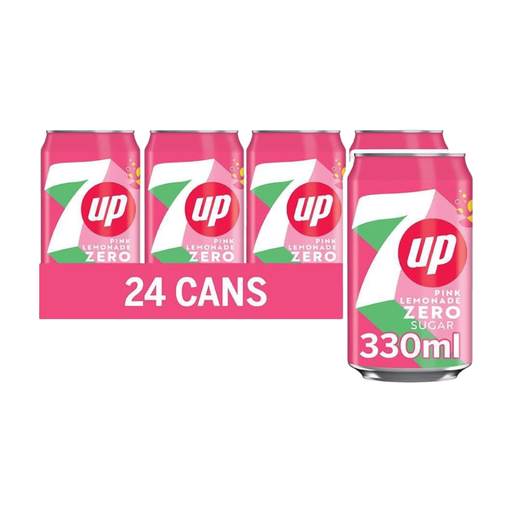 No image available
A non-cola lemonade option in 330ml cans for lunch. If avoiding caffeine or particular ingredients is important, confirm those details on the current can rather than relying on the Zero name.
 No image available
A zero-sugar cola in 330ml cans for shoppers who do not need a caffeine-free drink. Coca-Cola GB lists 0g sugars per 100ml and caffeine flavouring for Coca-Cola Zero Sugar; choose an explicitly caffeine-free variant if caffeine avoidance matters.
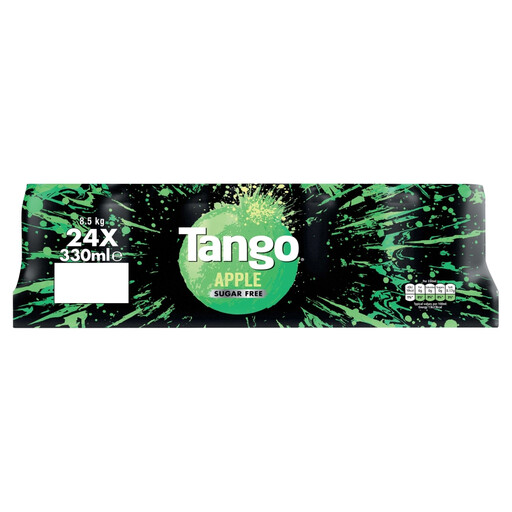 No image available
An apple-flavoured, sugar-free option in 330ml cans if you prefer fruit flavour to cola. Check the current can for caffeine information before choosing it specifically to avoid caffeine.
No. Coca-Cola GB lists caffeine flavouring in Coca-Cola Zero Sugar, and Pepsi UK lists caffeine in Pepsi Max. If you want to avoid caffeine, look for an explicitly caffeine-free variant, such as Coca-Cola Zero Sugar Caffeine Free or Pepsi Max Caffeine-Free.
Plain sparkling water is one option. If you want a sweet fizzy drink, the NHS suggests swapping sugary drinks for diet, sugar-free or no-added-sugar choices; check the specific drink’s label and the amount you plan to have.
No. Coca-Cola GB describes Fanta Orange as caffeine-free, but caffeine status does not determine sugar content. Check both details on the variant you are buying.
The current label lets you confirm the ingredients, nutrition information and serving size of the drink in your hand. Tesco advises shoppers to read product labels because its online food information can change.