Parents planning an occasional treat
Compare the amount of sugar in the serving and check caffeine before choosing a drink for a child’s school-holiday lunch. A glass bottle does not tell you what is in it.


Choose the drink by its ingredients and serving size before its glass packaging. For an everyday lunch, the NHS advises water or lower-fat milk instead of sugary fizzy drinks. If choosing an occasional fizzy drink, compare sugars in the portion you will serve, check caffeine and sweeteners, and consider whether a glass bottle can be handled appropriately where lunch will be eaten.
Compare the amount of sugar in the serving and check caffeine before choosing a drink for a child’s school-holiday lunch. A glass bottle does not tell you what is in it.
A zero-sugar cola can differ from a standard cola in its sugar content, but its ingredient list still matters. Check sweeteners, phenylalanine labelling and caffeine on the exact variant.
Distinguish a private family lunch from drinks provided to pupils at a state-funded school in England. The Department for Education says school food standards apply to food and drink provided to pupils on school premises; buyers for other settings should check the provider’s policy.
Start with the exact drink’s nutrition label and ingredients, then check its bottle size and where it will be served.
| Priority | What to check | Your needs |
|---|---|---|
| Sugars and portion | Coca-Cola GB lists 10.6g sugars per 100ml for Original Taste; Pepsi UK lists 4.5g per 100ml for Pepsi Classic. Check the exact bottle’s figure and volume to work out sugars in the serving. | For an occasional treat, I want to know how much sugar is in the amount being served, not just the amount per 100ml. |
| Caffeine and sweeteners | Pepsi UK lists sweeteners, caffeine-containing flavourings and a source-of-phenylalanine warning for Pepsi Max. Coca-Cola GB describes Fanta Orange as caffeine free, but lists 4.5g sugars per 100ml. | If avoiding caffeine matters, a zero-sugar label alone will not answer my question. |
| Bottle and setting | Confirm that the exact drink comes in glass, check its volume and consider how the bottle will be carried and handled. Check any rules set by the lunch venue or activity provider. | I prefer a glass bottle, but need to know whether it works for this particular lunch and location. |
| School provision | For drinks provided to pupils on state-funded school premises in England, check the current Department for Education school food standards. For a club or private lunch, check the relevant provider’s policy. | Buying drinks for pupils at a school is different from packing a private family lunch. |
Glass packaging does not indicate sugar content. Coca-Cola GB lists 10.6g sugars per 100ml for Original Taste, while Pepsi UK lists 0g sugars per 330ml for Pepsi Max; those figures describe different formulations and serving measures.
Use the exact bottle’s sugars-per-100ml figure and volume to calculate the amount in the portion you plan to serve.
Pepsi UK lists caffeine-containing flavourings and sweeteners in Pepsi Max. Coca-Cola GB describes Fanta Orange as caffeine free, but lists 4.5g sugars per 100ml.
Check sugar, caffeine and sweetener information separately on the drink you are buying.
In its guidance dated 14 September 2026, the Department for Education says proposed changes to school food standards for September 2027 remain subject to Parliamentary approval.
If buying for a state-funded school in England, use the current standards for food and drink provided to pupils on school premises and check the provider’s policy before ordering.
These manufacturer figures describe named formulations, not the contents or packaging of every variant sold under each brand.
Compare Original Taste with a specifically labelled zero-sugar variant rather than relying on the brand name.
Pepsi Classic and Pepsi Max give shoppers different sugar figures to compare.
Fanta Orange is a fruit-flavoured option to consider when avoiding caffeine matters more than choosing a cola flavour.
Check whether the drink is Dr Pepper or Dr Pepper Zero when comparing sugar and ingredients.
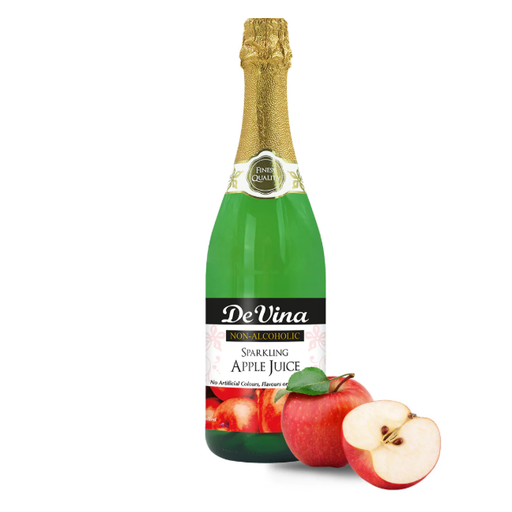
This sparkling apple drink is listed in a glass bottle. Check its pack information against your lunch plans rather than assuming it has the ingredients of a named cola or fruit-flavoured drink.
 No image available
For a school-holiday lunch where glass packaging matters, the listing describes a sparkling apple drink in a 750ml glass bottle. Handle the bottle carefully and check the pack’s sugars and ingredients before deciding on a serving. The listing says the product is not suitable for children under 4.
The NHS advises cutting down on sugary fizzy drinks and choosing water or lower-fat milk instead. If you are considering a fizzy drink as an occasional treat, read the nutrition label for the portion being served.
Multiply the labelled sugars per 100ml by the bottle volume in millilitres, then divide by 100. At Coca-Cola GB’s stated 10.6g per 100ml for Original Taste, a 330ml portion would contain about 35g sugars. For context, the NHS gives daily free-sugar maximums of 19g for ages 4–6, 24g for ages 7–10 and 30g from age 11.
No. Pepsi UK lists 0g sugars per 330ml for Pepsi Max, but its ingredients include sweeteners and caffeine-containing flavourings, and its label states that it contains a source of phenylalanine. Check both the nutrition table and ingredients on the exact drink.
The Department for Education’s school food standards apply to food and drink provided to pupils on state-funded school premises in England; they do not establish a rule for every private school-holiday lunch. Check directly with any school, club or venue where the lunch will be eaten.