
24/7 Customer Support

Free returns

Same-day & Next-day Delivery

Quality Guaranteed

Unlock Your Welcome Offers: FREE Delivery | Up to 80% OFF | Free 30-day JoyPlus trial
Download the APP
Buying a fizzy drinks multipack can reduce repeat supermarket trips, but a large case is not automatically good value. UK shoppers often discover that the flavour does not suit everyone, the sugar content is higher than expected, or the cans take up more cupboard space than planned.
The right choice depends on more than the brand name. Check the drink format, serving size, ingredients, storage requirements and intended use before adding a case to your basket.
Fruit flavour does not necessarily mean a drink contains little sugar. Some fruit-flavoured soft drinks use sugar, glucose-fructose syrup or concentrated juice. Always check the sugars per 100ml and per serving on the product label.
For comparison, Fanta Lemon lists 4.5g of sugar per 100ml, while Hope Water Wanglemon Lemon Juice Sparkling Water lists 10.6g per 100ml. These products serve different preferences, so neither description should be assumed from the flavour name alone.
Sugar-free fizzy drinks may use different sweeteners, including sucralose, acesulfame K, steviol glycosides or erythritol. This can create noticeably different sweetness and aftertaste profiles. If you are buying a 24-pack, consider whether the recipient already enjoys that style of drink.
Also note that “zero sugar” does not always mean zero energy unless the nutrition panel confirms it. For example, Tango Cherry Sugar Free lists 0g sugars and 13 kcal per 330ml can, whereas Genki Forest Red Grape Sparkling Water lists 0g energy and 0g sugars per 100ml.
A 24-pack may contain 330ml cans, 300ml bottles or another format. That difference affects how much drink you receive, how easily it fits in a fridge and how practical it is for serving guests. A case of 24 x 330ml provides 7.92 litres, while a case of 24 x 300ml provides 7.2 litres.
Glass bottles can also be heavier and more fragile than canned soft drinks, which matters if you are storing drinks upstairs, transporting them to an event or ordering several cases.
For households, offices and party drinks, a 24-pack is convenient because it provides a predictable number of servings. Cans are stackable and easy to chill, while bottles may offer a different presentation for meals or celebrations.
Check whether the product is supplied as cans, plastic bottles or glass bottles. Aluminium cans, such as those used for Cano sparkling water, are also subject to your local recycling arrangements. Packaging claims should not replace checking your council’s guidance.
Review the full ingredients list rather than relying only on front-of-pack wording. Look for:
UK food labels should provide relevant allergen information, but imported Japanese and Chinese drinks may use packaging formats that are less familiar. Check the UK information supplied with the product before serving, particularly when buying for children, guests with allergies or large gatherings.
A classic sparkling water works well for everyday refreshment and mixers. A sweet fruit soda may be more suitable for a celebration, barbecue or themed meal. International drinks can offer unusual flavours such as white peach, bayberry, lychee, melon or root beer, but a mixed or distinctive flavour case may not suit guests who prefer familiar options.
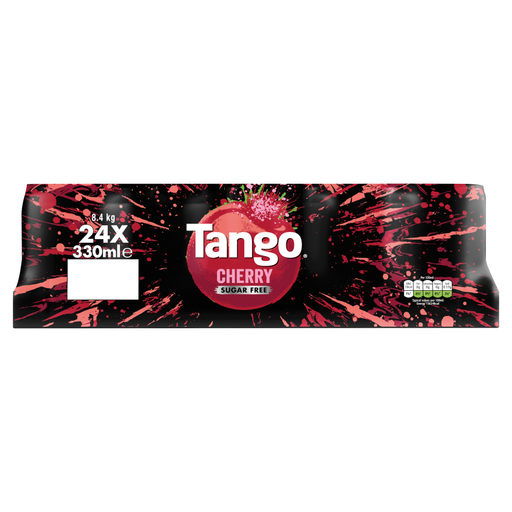
Why This Fits Their Persona: A 24-can case gives households a straightforward stock-up option, while the cherry flavour provides an alternative to cola and lemon drinks.
The listing clearly states the 330ml can size, 24-can quantity and zero-sugar formulation, helping shoppers check volume and nutrition before purchase.
24 x 330ml cans; 0g sugars per can; suitable for vegetarians and vegans according to the supplied product information.
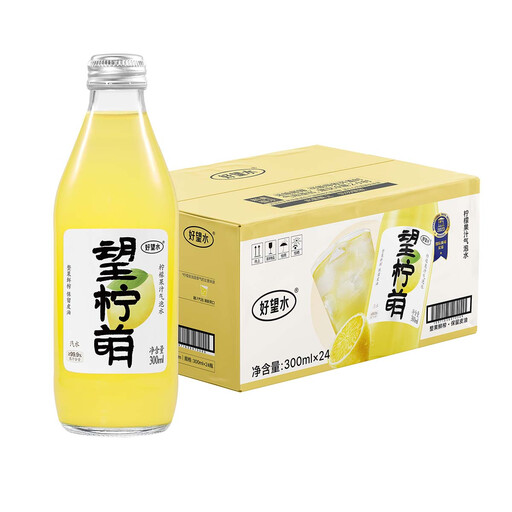
Why This Fits Their Persona: This option suits shoppers looking for a layered fruit profile with kumquat lemon, apple and pear juices rather than a standard citrus soft drink.
The ingredient and nutrition information makes the fruit content and 43 kcal per 100ml visible, avoiding the assumption that “sparkling water” means unsweetened water.
24 x 300ml bottles; includes several fruit juices; designed to be served chilled.
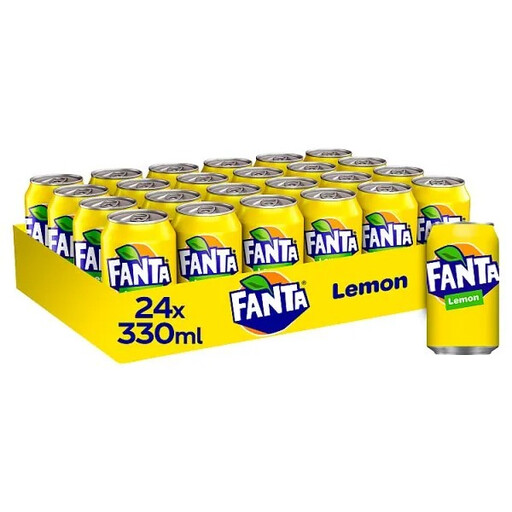
Why This Fits Their Persona: A familiar lemon flavour and 24-can format make this practical for office fridges, family gatherings, picnics and party drinks.
The product page identifies the case as 24 x 330ml and gives the sugar content as 15g per can, making portion planning easier.
330ml cans; contains 5% lemon juice from concentrate; suitable for vegetarians and vegans according to the listing.

Why This Fits Their Persona: This case is aimed at shoppers seeking fruit-flavoured sparkling water with no listed sugar and a grape-led taste.
The listing states 0 kcal and 0g sugars per 100ml, while also identifying the sweeteners used, so shoppers can make a more informed choice.
24 x 330ml cans; red grape juice included; sugar-free and zero-calorie nutrition information.
We have compiled a complete, real-time list of products that fully satisfy these strict selection criteria and UK safety regulations.
Store unopened drinks in a cool, dry place away from direct sunlight. Avoid leaving cans or bottles in a hot car, conservatory or shed during warm weather. Chill only the quantity you expect to use, as a full case may not fit in a standard UK fridge.
Check the best-before information on the packaging when your order arrives. Once opened, reseal bottles where possible and refrigerate them. Cans should be consumed after opening because they cannot be closed securely.
It can reduce the unit price, but compare the cost per litre, not only the case price. A 24 x 330ml case contains more liquid than a 24 x 300ml case. Delivery charges, storage space and unused flavours should also be included in your value calculation.
Unopened drinks generally remain suitable until the best-before date shown on the packaging when stored correctly. Carbonation and flavour can gradually change after opening, so refrigerate opened bottles and consume them promptly. Always follow the product label.
For mixed preferences, consider combining familiar canned soft drinks with sugar-free fizzy drinks or sparkling water. A 24-pack is convenient for larger groups, while fruit-flavoured or Japanese and Chinese drinks can add variety to themed meals and social events. Check ingredients and allergen information before serving guests.