Choose water when replacing fluid lost through exercise is the main concern; the NHS recommends it for that purpose. If you want a fizzy drink alongside a snack, compare the exact variant’s sugar and caffeine information rather than assuming one follows from the other. Treat a 2-litre bottle as a format for sharing or several occasions, not as one serving.
Who is choosing a 2-litre bottle?
Adults who want cola without the sugar
A large bottle may suit several snacks or people, but check caffeine separately from sugar. Pepsi UK lists Pepsi Max as zero sugar and containing caffeine; an explicitly caffeine-free variant addresses a different preference.
Shoppers avoiding caffeine
If you do not want caffeine alongside coffee or another caffeinated product, check the exact drink’s label. A zero-sugar name alone does not tell you whether the drink contains caffeine.
Households sharing a bottle
Decide how much each person will pour, then read the nutrition figures for that amount rather than treating 2 litres as one portion. Tesco Groceries lists some colas in 2-litre bottles, although the exact variant and stock may change.
What should you check before buying?
Start with the drink’s purpose: water for fluid replacement, or a fizzy drink chosen for its flavour alongside food. Then compare the exact variant and the amount you intend to pour.
| Priority | What to check | Your needs |
|---|
| Fluid replacement |
Keep water available, particularly when activity makes you sweat. The NHS identifies water as the way to replace fluid lost through physical activity. |
If I mainly need a drink to replace lost fluid, I will choose water rather than rely on fizzy drink for that job. |
| Sugar |
Compare sugars per 100ml on the precise variant, then consider the amount you will pour. Coca-Cola GB lists 10.6g sugars per 100ml for Original Taste and 0g for Coca-Cola Zero Sugar Caffeine Free. |
I want cola flavour but would rather choose a zero-sugar version than regular cola. I still need to check caffeine separately. |
| Caffeine |
Read the ingredient list or look for explicit caffeine-free labelling. Pepsi UK lists caffeine in Pepsi Max; Coca-Cola GB identifies Coca-Cola Zero Sugar Caffeine Free as a separate variant. |
If I am avoiding caffeine before training or alongside another caffeinated drink, the exact variant matters more than a zero-sugar claim. |
| Bottle size |
Confirm that the flavour and variant you want come in a 2-litre bottle. Read nutrition figures per 100ml or per stated serving, then decide your poured portion. |
A shared bottle makes sense for my household, but I do not want to mistake the whole bottle for one snack-time serving. |
Common buying mistakes
-
Treating 2 litres as one serving
Nutrition figures are commonly given per 100ml or a stated serving, so the amount in your glass matters when comparing drinks.
Choose how much to pour before reading the label against that portion. Keep water available for fluid replacement around exercise.
-
Assuming zero sugar means no caffeine
Pepsi UK lists Pepsi Max as zero sugar while its ingredients include caffeine. Sugar and caffeine are separate checks.
If caffeine avoidance matters, look for explicit caffeine-free labelling and check the ingredients on the exact pack.
-
Using regular fizzy drink as the default exercise drink
Regular varieties can contain sugar: Coca-Cola GB lists sugars in Coca-Cola Original Taste, Sprite, Fanta Orange and Dr Pepper. The NHS recommends water for replacing fluid lost through physical activity.
If you choose a fizzy drink for flavour alongside a snack, compare its sugars per 100ml and pour a deliberate portion.
Brand and variant references
A brand name is not enough to establish a drink’s sugar or caffeine content; check the particular variety and bottle size.
Coca-Cola
The UK range includes regular cola and separately named zero-sugar and caffeine-free variants.
- Coca-Cola GB lists 10.6g sugars per 100ml for Original Taste and 0g for Coca-Cola Zero Sugar Caffeine Free.
- Check the full variant name when avoiding caffeine; these figures do not establish the bottle size of every variety.
Pepsi
Pepsi Max offers a zero-sugar cola option, while Tesco Groceries lists 2-litre Pepsi Max and Diet Pepsi bottles.
- Pepsi UK lists 0g sugars for Pepsi Max.
- Its listed ingredients include caffeine; check the exact pack if you need to avoid it.
Sprite
A lemon-and-lime alternative when you want a flavour other than cola.
- Coca-Cola GB lists 4.4g sugars per 100ml for Sprite and 0g for Sprite Zero.
- Check the exact variant’s ingredients and whether the bottle size you want is available.
Fanta
Fanta Orange is a fruit-flavoured option that Coca-Cola GB describes as caffeine-free.
- The Fanta Orange nutrition information lists 4.5g sugars per 100ml.
- Caffeine-free does not mean sugar-free; check the flavour and variant before choosing.
Dr Pepper
Regular and zero-sugar varieties have different sugar figures on the UK brand page.
- Coca-Cola GB lists 4.3g sugars per 100ml for regular Dr Pepper and 0g for Dr Pepper Zero.
- The listed ingredients for both varieties include caffeine, so check the pack if avoiding it.
Joybuy 2-litre multipacks
These six-bottle cola multipacks suit sharing or several occasions. Check the precise pack before choosing one for a caffeine-related preference.
 No image available
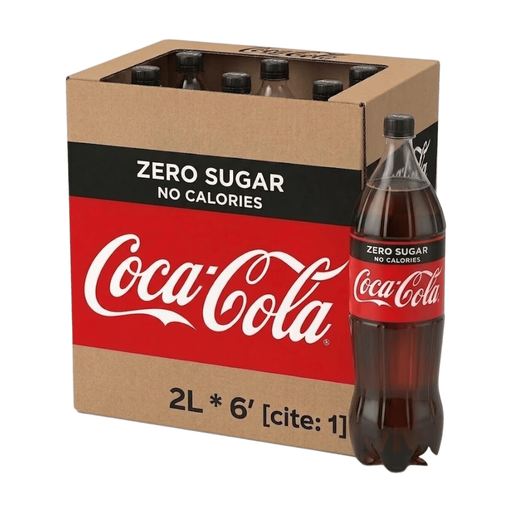
Coca-Cola Zero Sugar 2L x 6
Six 2-litre bottles offer a format for sharing a zero-sugar cola alongside snacks. Decide how much to pour, and check the exact pack’s caffeine and sweetener information if either affects your choice. For replacing fluid lost through exercise, the NHS recommends water.
View on Joybuy
 No image available
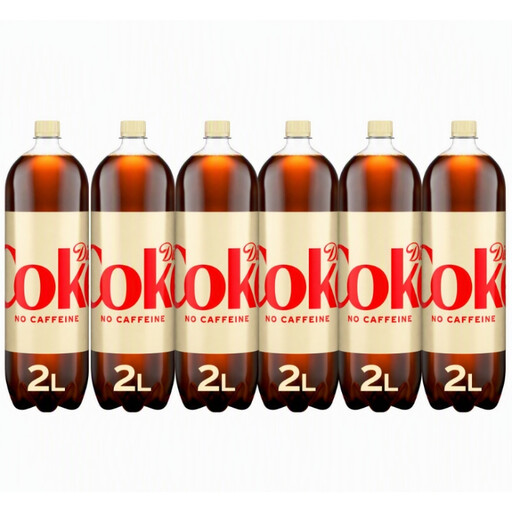
Diet Coke Caffeine Free 2L x 6
This six-bottle, 2-litre format can be shared over several occasions. If avoiding caffeine is important, check the actual pack before choosing it: the caffeine-free description conflicts with a caffeine-related warning. Check the sweetener and phenylalanine labelling if relevant to you, and use water to replace fluid lost through exercise, as the NHS advises.
View on Joybuy
Questions about fizzy drinks and exercise
Can a fizzy drink replace water around a workout?
Choose water when the purpose is to replace fluid lost through physical activity; that is the NHS recommendation. You can choose a fizzy drink for flavour alongside a snack without relying on it for that purpose.
Should I choose regular or zero-sugar fizzy drink with a snack?
If you want to avoid the sugar in regular cola, compare the exact zero-sugar variant. Coca-Cola GB lists 10.6g sugars per 100ml for Original Taste, while Pepsi UK lists 0g for Pepsi Max; a zero-sugar label does not tell you whether the drink contains caffeine.
How do I choose a fizzy drink without caffeine?
Look for explicit caffeine-free labelling on the exact product and check its ingredients. Coca-Cola GB describes Fanta Orange and Coca-Cola Zero Sugar Caffeine Free as caffeine-free, whereas Pepsi UK lists caffeine in Pepsi Max. If a pack’s statements conflict, check the pack itself before relying on a caffeine-free claim.


