Who is this for?
The useful distinction is whether a can is part of a practised intake plan or simply a drink you enjoy outside it.
Runners planning long-session fuel
Compare the carbohydrate in the exact can and serving size with your practised plan. Coca-Cola GB lists 10.6g sugars per 100ml for Coca-Cola Original Taste, while Pepsi UK lists 15g sugars in a 330ml Pepsi can; the cans are not interchangeable quantities of carbohydrate.
Runners choosing a drink outside key sessions
If you want a multipack for flavour rather than training fuel, a zero-sugar variant may fit that purpose. Keep the separate question of fluid replacement in mind: the NHS recommends water for fluids lost through activity.
Runners avoiding caffeine
Check the exact flavour and formulation rather than relying on the brand name. Coca-Cola GB describes Fanta Orange as caffeine free; the same conclusion should not be assumed for other cans.
What should you check?
Decide first whether the drink is intended to contribute carbohydrate, replace fluid or provide flavour. Then compare labels for the exact cans in the multipack.
| Priority | What to check | Your needs |
|---|
| Carbohydrate per can |
Read carbohydrate or sugars per 100ml and the can size. Coca-Cola GB lists 10.6g sugars per 100ml for Original Taste; Pepsi UK lists 15g sugars per 330ml Pepsi can. |
For a planned long session, I need to know what a whole can contributes rather than treating regular colas as equal portions of fuel. |
| Fluid replacement |
The NHS recommends water to replace fluids lost through activity. If considering a drink specifically for rehydration, check its sodium information; the UK Sports Institute identifies sodium as an electrolyte to look for in such drinks. |
I want my fluid plan to stand on its own, rather than assuming a fizzy can covers it. |
| Regular or zero sugar |
Check the precise variant, not just the brand. Pepsi UK lists 0g sugars for a 330ml Pepsi Max can, compared with 15g for a 330ml standard Pepsi can. |
If I am buying a can for flavour outside a fuelling session, I may prefer zero sugar. When I need carbohydrate, that choice serves a different purpose. |
| Caffeine and ingredients |
Read the ingredients and any relevant sweetener notices on the exact pack. Coca-Cola GB identifies Fanta Orange as caffeine free; that does not establish the caffeine content of every other flavour. |
Caffeine avoidance matters to me, so I need the individual variant’s label before buying a multipack. |
| Pack and serving size |
Confirm the number of cans and millilitres per can. Use that serving size when comparing labelled amounts, rather than assuming every multipack contains the same portion. |
I want cans that match the portions I have actually considered for use during training. |
Brand and variant references
These label examples help distinguish formulations; a brand reference is not a recommendation to use its soft drinks as marathon fuel.
Coca-Cola
Coca-Cola Original Taste provides a labelled regular-sugar example for comparing can sizes.
- Coca-Cola GB lists 10.6g sugars per 100ml for Original Taste, equivalent to about 35g in 330ml.
- That amount needs to be accounted for in a practised carbohydrate plan; it does not make the can a complete fuelling or fluid plan.
Pepsi
Standard Pepsi and Pepsi Max illustrate why the variant matters when choosing a cola multipack.
- Pepsi UK lists 15g sugars per 330ml standard Pepsi can and 0g per 330ml Pepsi Max can.
- Pepsi Max does not provide the sugar contribution of standard Pepsi; check the exact product if carbohydrate is the reason for buying.
Sprite
Sprite Zero is a lemon-and-lime option for shoppers seeking a zero-sugar soft drink.
- Coca-Cola GB describes Sprite Zero as containing no sugar.
- Do not choose a zero-sugar variant expecting it to contribute sugar to a carbohydrate plan.
Fanta
Fanta Orange is relevant when avoiding caffeine is a deciding factor.
- Coca-Cola GB identifies Fanta Orange as caffeine free.
- Its caffeine-free description does not establish that it meets planned carbohydrate or rehydration needs.
Dr Pepper
Dr Pepper Zero offers another zero-sugar formulation to distinguish from a regular soft drink.
- Coca-Cola GB describes Dr Pepper Zero as containing zero sugar.
- Check the exact can’s nutrition and ingredients before assigning it a role in a training-day plan.
Joybuy fizzy-drink multipacks
These multipacks cover a regular cola and two Zero variants for different soft-drink preferences. Consider them alongside, not instead of, your planned fluids and carbohydrate sources.
 No image available
Coca-Cola Original Taste 24 × 330ml
A regular-sugar option if a familiar can has a place in your practised intake plan. Coca-Cola GB lists 10.6g sugars per 100ml for Original Taste, equivalent to about 35g per 330ml can; plan fluid replacement separately.
View on Joybuy
 No image available
Coca-Cola Zero Sugar 24 × 330ml
A Zero Sugar cola multipack for occasions when flavour, rather than carbohydrate fuel, is the reason for choosing a can. Check the pack’s carbohydrate and ingredient information if either matters to your training plan.
View on Joybuy
 No image available
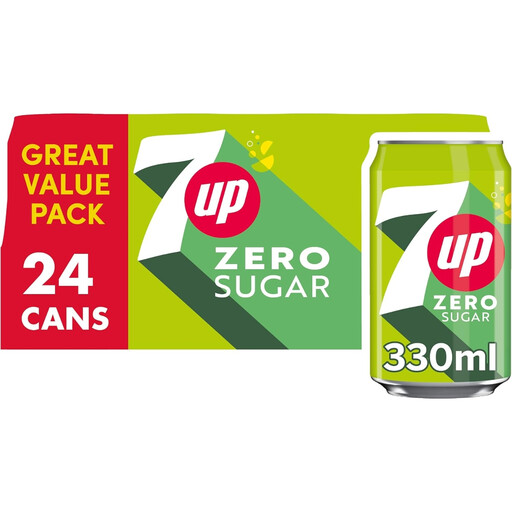
7UP Zero 330ml 24-pack
A 24-pack to consider when you want a Zero soft drink outside planned fuelling. Check the exact label for carbohydrate, caffeine and ingredients rather than treating the variant name as a complete nutrition description.
View on Joybuy
Frequently asked questions
Can a regular fizzy can replace a marathon fuelling plan?
No single regular can establishes a complete fuelling plan. Coca-Cola GB’s label for Original Taste equates to about 35g sugars in 330ml, while Pepsi UK lists 15g in a 330ml standard Pepsi can. A 2015 review in Ned Tijdschrift voor Geneeskunde advises 30–60g carbohydrate per hour for exercise lasting 1 to 2.5 hours; match any can you use to the duration and intake strategy you have practised.
Are zero-sugar fizzy drinks useful as long-run fuel?
Not as a source of sugar for a carbohydrate plan. Pepsi UK lists 0g sugars in a 330ml Pepsi Max can, while Coca-Cola GB describes Sprite Zero and Dr Pepper Zero as zero-sugar drinks. Choose a planned carbohydrate source when that is what the session calls for.
What if I want to avoid caffeine?
Check the exact variant’s label. Coca-Cola GB identifies Fanta Orange as caffeine free, but that statement does not apply to every flavour or brand.
Does a fizzy drink replace water after sweating?
Do not assume it does. The NHS recommends water to replace fluids lost through activity. If you are considering a drink specifically for rehydration, check its sodium information; UK Sports Institute guidance identifies sodium as an electrolyte to look for.
What should I read on a multipack before buying?
Check the exact variant, can size, carbohydrate or sugars information, and ingredients, including any caffeine or sweetener information relevant to you. For products containing aspartame, GOV.UK food-labelling guidance specifies a notice that the product contains a source of phenylalanine.


