Shoppers who want fizzy squash
Mixing squash with sparkling water lets you adjust the strength of the drink. You will need both the concentrate and the water before dinner.


Mix squash with chilled sparkling water if you want to adjust the strength of your drink and do not mind preparing it. Choose a ready-to-drink sparkling drink if you would rather pour and serve; check its sugars per 100 g or 100 ml, as appropriate, rather than assuming that ‘light’ or ‘no added sugar’ means sugar-free.
Mixing squash with sparkling water lets you adjust the strength of the drink. You will need both the concentrate and the water before dinner.
No-added-sugar squash and ready-to-drink fruit drinks are different products. Check the nutrition panel for total sugars and the ingredients for juice, sugar or sweeteners.
A ready-to-drink sparkling pressé or fruit drink needs no dilution. Check the bottle size and its instructions for storage after opening if you are buying for one meal.
Decide whether you want to mix the drink or serve it straight from the bottle, then compare labels on the same nutrition basis.
| Priority | What to check | Your needs |
|---|---|---|
| Fizz | For a ready-to-drink option, look for ‘sparkling’ or carbonated water on the label. For squash concentrate, follow its dilution directions and use sparkling water if you want fizz. | I want a fizzy drink with dinner, but need to know whether I can pour it immediately or must mix it first. |
| Sugars | Compare ‘of which sugars’ using the same per-100-g or per-100-ml basis, and read the ingredients. Marks & Spencer lists 4.1 g sugars per 100 g for its light elderflower pressé and 6.6 g per 100 g for its no-added-sugar apple and elderflower sparkling drink. | A ‘light’ or ‘no added sugar’ label is not enough for me to judge total sugars. |
| Preparation | Check whether the product is a concentrate or ready to drink. If choosing squash, check the pack dilution directions and have sparkling water to hand. | Some evenings I would rather open a bottle; on others, I want to adjust the strength of a mixed drink. |
| Ingredients and storage | Check the current allergen label and instructions after opening. Marks & Spencer lists sulphites in its standard elderflower pressé and says to refrigerate it and consume it within 3 days of opening. | If I am serving just one person, I want to know whether I can use the rest of the bottle within its stated opened life. |
A squash concentrate needs diluting, while a ready-to-drink sparkling pressé is already carbonated.
If you choose squash for a fizzy serve, have chilled sparkling water ready and follow the bottle’s dilution directions.
Sparkling water is a separate item to arrange for the meal.
Marks & Spencer lists 4.1 g sugars per 100 g for its light elderflower pressé and 6.6 g per 100 g for its no-added-sugar apple and elderflower sparkling drink.
Compare the sugars line on a consistent per-100-g or per-100-ml basis, and check the ingredients for juice, sugar and sweeteners.
Marks & Spencer lists sulphites in its standard elderflower pressé and instructs shoppers to refrigerate it and consume it within 3 days after opening.
Check the current label for allergens and storage instructions, particularly if a bottle will last beyond one dinner.
These examples show concentrate and ready-to-drink ranges; they do not describe every drink sold by each retailer.
Tesco and Sainsbury’s list Robinsons squash concentrates, including no-added-sugar and double-strength options.
Tesco lists own-label Quadruple Strength squash alongside other concentrates.
Sainsbury’s lists squash and cordial concentrates from Robinsons and other brands.
Marks & Spencer lists ready-to-drink sparkling elderflower pressés and an apple and elderflower sparkling drink.
Waitrose lists ready-to-drink sparkling juice drinks and pressés, including Bottlegreen, Shloer and Appletiser products.
These options include ready-to-serve fizzy drinks and one squash concentrate for mixing with sparkling water. A ready-to-serve soft drink is an alternative for the meal, not sparkling squash.
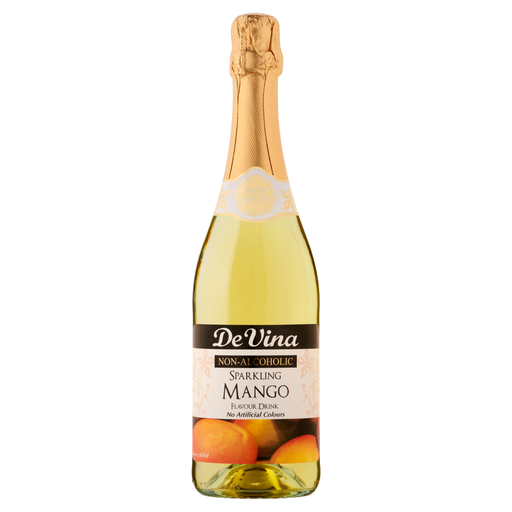 Image unavailable
A mango-flavoured sparkling option if you want to pour a drink rather than dilute squash. Check the current pack for its ingredients and sugars.
 Image unavailable
An eight-can soft-drink pack for serving with dinner instead of mixing squash. Check the current cans for ingredients and nutrition information.
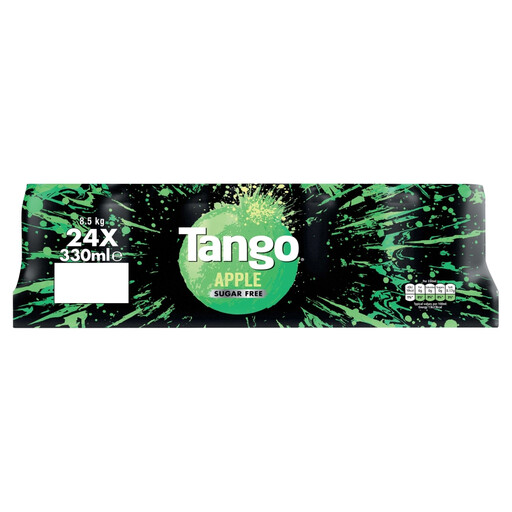 Image unavailable
An apple-flavoured canned soft drink for serving without mixing. Check the current can for its ingredients and sugar information rather than relying on the product name alone.
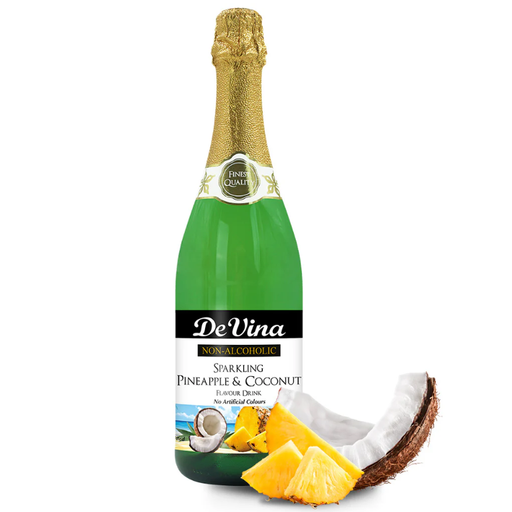 Image unavailable
A ready-to-pour sparkling drink with a pineapple-and-coconut flavour, rather than a squash concentrate. Check the current label for ingredients and sugars.
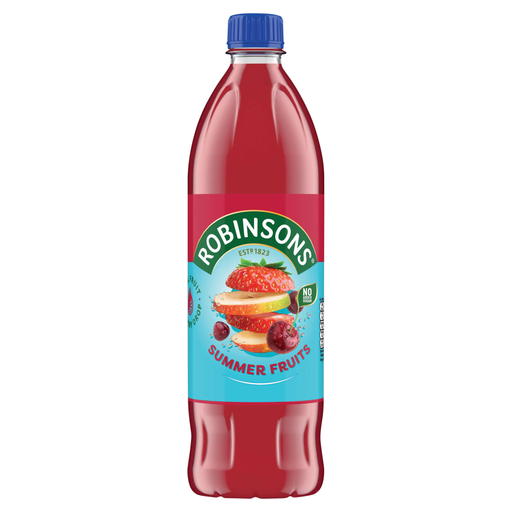 Image unavailable
A summer-fruits squash concentrate for mixing to the strength you prefer. Use sparkling water and follow the pack’s dilution directions if you want a fizzy drink; this is not ready-carbonated.
Do not assume it is. Squash concentrate needs diluting; for a fizzy serve, follow its label directions using sparkling water. If you want to pour straight from the bottle, choose a drink labelled sparkling or carbonated.
No. Marks & Spencer’s no-added-sugar Juicy Apple and Elderflower Sparkling Water lists 6.6 g sugars per 100 g and contains apple juice from concentrate. Check the total sugars line on the drink you choose.
A ready-to-drink sparkling product needs no dilution. If you open a larger bottle for one meal, check how soon it must be used: Marks & Spencer says its standard elderflower pressé should be refrigerated and consumed within 3 days of opening.
Check the ingredients, allergens, sugars and storage instructions. Marks & Spencer lists sulphites in its standard and light elderflower pressés; use the current pack label when choosing a drink.