Students revising later in the day
If you want a fizzy drink after lunch, check whether it contains caffeine. Bedfordshire, Luton and Milton Keynes NHS advises young people and teenagers to avoid caffeine after lunch because it can prevent sleep.


For afternoon or evening revision, a zero-sugar, caffeine-free fizzy drink addresses both concerns: Pepsi Max Caffeine Free and Coca-Cola Zero Sugar Caffeine Free each list 0g sugars per 100ml and are identified as caffeine-free. Sprite Zero offers a lemon-and-lime alternative with 0g sugars per 100ml and no caffeine in its published ingredient list. Check the exact pack for sweeteners and warnings, and compare serving sizes if you are weighing these against sugared drinks.
If you want a fizzy drink after lunch, check whether it contains caffeine. Bedfordshire, Luton and Milton Keynes NHS advises young people and teenagers to avoid caffeine after lunch because it can prevent sleep.
If drinks are part of repeated study breaks, the sugar figure per 100ml and the amount you expect to drink both matter. The NHS suggests sugar-free, diet or no-added-sugar drinks in place of sugary fizzy drinks.
Check sugar, caffeine and ingredient warnings on the exact drink. A fruit flavour or a ‘zero sugar’ name does not tell you everything about its formulation.
Start with sugar per 100ml and caffeine, then check the serving size and ingredients of the flavour you intend to buy.
| Priority | What to check | Your needs |
|---|---|---|
| Sugar | Compare sugars per 100ml on the nutrition panel, then check the can or bottle size. Pepsi UK lists 0g per 100ml for Pepsi Max Caffeine Free and 4.5g for standard Pepsi; Coca-Cola GB lists 10.6g for Coca-Cola Original Taste. | For repeated study breaks, I want to know how much sugar is in the amount I will actually drink. |
| Caffeine | Look for an explicitly caffeine-free version and read the ingredients. Pepsi Max and Coca-Cola Zero Sugar list caffeine flavouring, despite listing 0g sugars per 100ml. | If revision runs into the afternoon or evening, I want a sparkling option without caffeine. Bedfordshire, Luton and Milton Keynes NHS advises teenagers to avoid caffeine after lunch. |
| Ingredients | Read the sweetener list and any phenylalanine warning on the exact flavour. Manufacturer information for Pepsi Max Caffeine Free, Coca-Cola Zero Sugar Caffeine Free and Sprite Zero identifies sweeteners and a source of phenylalanine. | I want to check the ingredients that matter to me rather than assume all zero-sugar drinks are formulated alike. |
| Flavour | Decide whether you want cola or a non-cola flavour, then check sugar and caffeine separately. Coca-Cola GB lists Sprite Zero as lemon-and-lime flavoured, with 0g sugars per 100ml and no caffeine in its published ingredient list. | When I do not fancy cola, I still want to compare a fizzy alternative against the same label criteria. |
Coca-Cola GB and Pepsi UK list 0g sugars per 100ml for Coca-Cola Zero Sugar and Pepsi Max respectively, but both ingredient lists include caffeine flavouring.
If avoiding caffeine matters, check for an explicitly caffeine-free variant as well as reading the nutrition panel.
A multipack count does not show the sugar in each serving. Manufacturer figures also differ between named regular and zero-sugar drinks.
Compare sugars per 100ml first, then use the can or bottle size to work out the amount in what you plan to drink.
Manufacturer information for several named zero-sugar drinks identifies sweeteners and a source of phenylalanine; the ingredients can differ by product.
Read the ingredient list and warnings on the exact flavour and pack before buying.
These manufacturer-labelled examples show why the variant matters more than the brand name alone.
The cited UK cola variants differ in both sugar and caffeine labelling.
The cited Pepsi colas include both caffeine-containing and caffeine-free variants.
Sprite Zero is a lemon-and-lime option for shoppers who do not want cola flavour.
The cited fruit-flavoured variants have different sugar figures.
The cited standard and zero-sugar variants differ in sugar, but neither is presented as caffeine-free.
These are sparkling options for revision snacks, including caffeine-free cola and lemon-and-lime drinks. The Pepsi Max pack shown last contains caffeine, so check that distinction if you are choosing a drink for later revision.
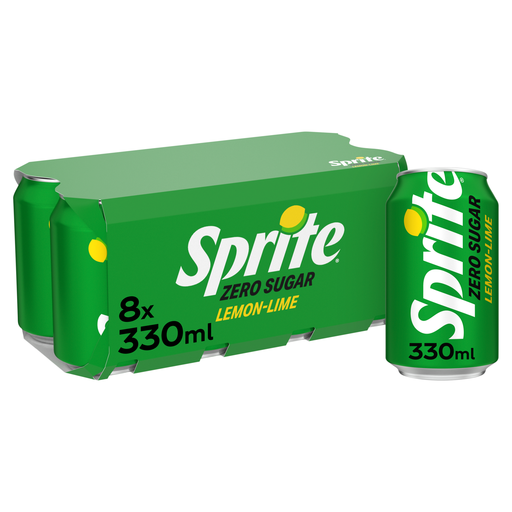 No image available
A lemon-and-lime choice if you do not want cola: the product information lists 0g sugars per 100ml and does not list caffeine in the ingredients. It identifies sweeteners and a source of phenylalanine; check the pack label.
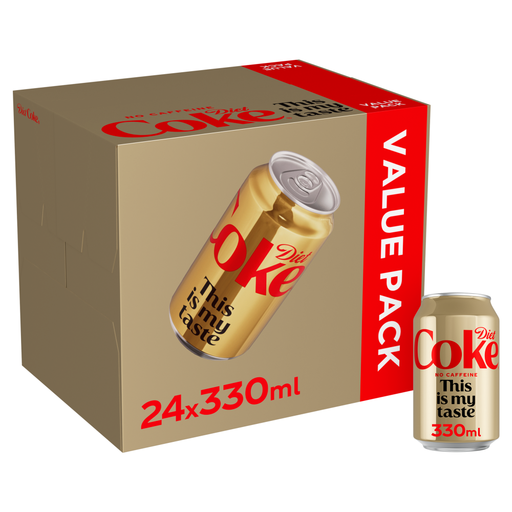 No image available
A no-caffeine cola option for later revision: the product information lists 0g sugars per 100ml and does not list caffeine in the ingredients. It identifies sweeteners and a source of phenylalanine; check the pack label.
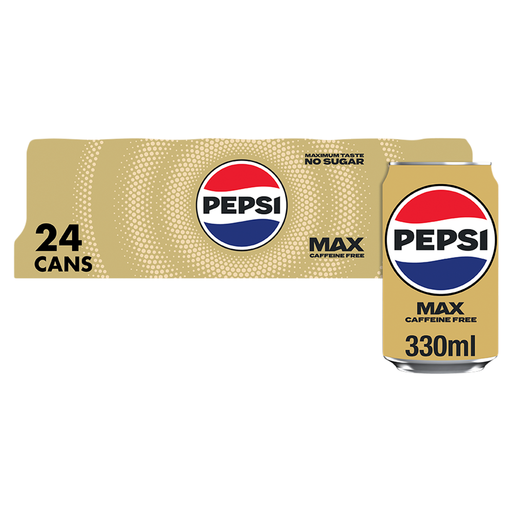 No image available
A caffeine-free cola option when both caffeine and sugar are buying considerations. The product information lists 0g sugars per 100ml, identifies the drink as caffeine-free and notes sweeteners and a source of phenylalanine; check the pack label.
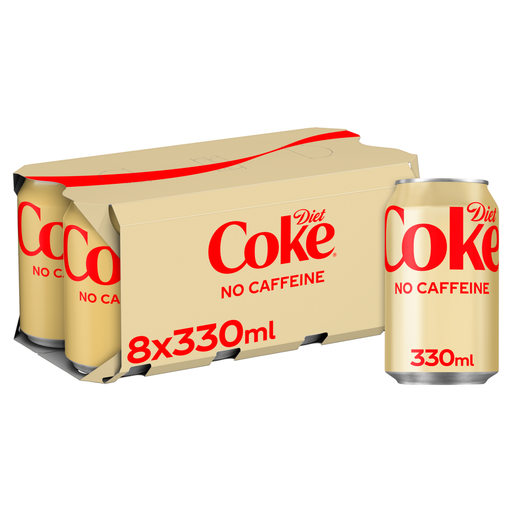 No image available
Another caffeine-free cola pack for shoppers avoiding caffeine during revision. Its product information lists 0g sugars per 100ml, along with sweeteners and a source of phenylalanine; check the pack label.
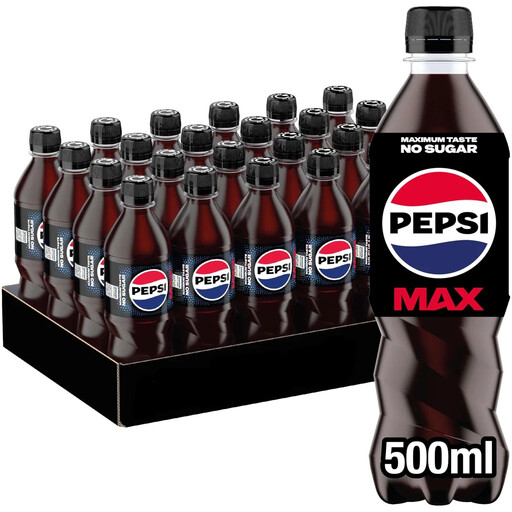 No image available
This cola lists 0g sugars per 100ml, but its ingredients include caffeine, so it does not meet a caffeine-free requirement for later revision. The product information also identifies sweeteners and a source of phenylalanine; check the pack label.
If you want fizz without sugar or caffeine, Pepsi Max Caffeine Free and Coca-Cola Zero Sugar Caffeine Free each list 0g sugars per 100ml and are identified as caffeine-free. Bedfordshire, Luton and Milton Keynes NHS advises teenagers to avoid caffeine after lunch because it can prevent sleep; check the exact drink label before choosing.
No. Coca-Cola GB lists 0g sugars per 100ml for Coca-Cola Zero Sugar, but its ingredients include caffeine flavouring. Its published Sprite Zero ingredient list does not include caffeine. Check sugar and caffeine separately for the variant you want.
Use it to compare drinks, then read the label on the product you receive. Tesco advises shoppers not to rely solely on website information because food products can be reformulated.
Do not assume it can. Department for Education guidance addresses food and drink provided in state-funded schools in England under the Requirements for School Food Regulations 2014. For a school meal, check the current requirements applicable to that school and its caterer’s policy; a home-revision choice does not establish what the school may provide.