
24/7 Customer Support

Free returns

Same-day & Next-day Delivery

Quality Guaranteed

Unlock Your Welcome Offers: FREE Delivery | Up to 80% OFF | Free 30-day JoyPlus trial
Download the APP
Recreating the authentic flavours of a steaming bowl of Pho or a sizzling plate of Pad See Ew at home is a rewarding culinary project. The foundation of these iconic dishes often lies in a seemingly simple ingredient: flat rice noodles. Yet, as many UK home cooks discover, choosing the right packet from the shelf or online store is fraught with potential missteps. A poor choice can lead to a sticky, clumpy mess or noodles that simply fall apart, turning your much-anticipated meal into a disappointment.
As a Joybuy Product Recommendation Officer, my role is to help you navigate these choices. Let's cut through the confusion and look at the common pitfalls to avoid when you buy rice noodles online UK, ensuring you get the perfect texture for your dish every time.
To ensure you get the right product for your recipe, focus on these three non-negotiable specifications.
The width of the noodle is the most critical factor and is usually measured in millimetres. This dimension directly impacts how the noodle performs in a dish.
For an authentic taste and texture, check the ingredients. The primary ingredient should always be rice flour. Water will be the second. Some brands may add a small amount of salt or tapioca starch for structure, but rice should dominate. This ensures the noodle has the correct opacity and tenderness and confirms it is a suitable option for a gluten-free diet.
While fresh rice noodles offer a superb texture, they have a very short shelf life and can be difficult to find outside of specialised grocers. High-quality dried flat rice noodles are a fantastic and convenient alternative available to everyone. The key is preparation: always look for instructions that specify a soaking time in warm water (usually 15-30 minutes) to rehydrate them before a quick boil (often just 1-5 minutes). This two-step process prevents sticking and ensures an even cook.
Based on these practical criteria, here is a recommendation matched to a common UK home cook profile.
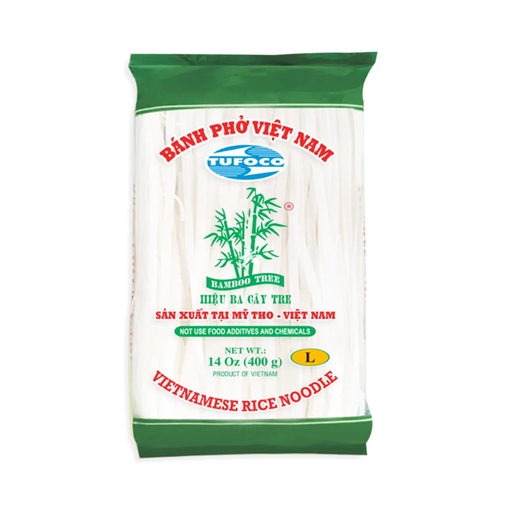
Why This Fits Their Persona: This is an ideal starting point for anyone wanting to cook a variety of Southeast Asian dishes. The 5mm width is a perfect middle-ground, sturdy enough for a Pad See Ew but not too thick for a hearty noodle soup, offering great flexibility from a single packet.
It clearly states the noodle width (5mm), eliminating guesswork. The ingredients are simply rice flour and water, avoiding the starchy filler trap and ensuring an authentic texture.
Naturally gluten-free and provides clear, effective preparation instructions (soak then boil) for a consistent, non-sticky result. Absorbs sauce flavours beautifully.
Finding the perfect noodle is just one part of the equation. Many Thai stir-fries, like Pad See Ew, get their signature flavour from a balance of savoury and sweet. The unique, caramel-like sweetness often comes from palm or brown sugar, which provides a depth that white sugar cannot match.
We have compiled a complete, real-time list of products that fully satisfy these strict selection criteria and UK safety regulations.
The key is to follow a two-step process and not overcrowd the pan. First, soak the dried noodles in warm (not boiling) water for 15-20 minutes until they are pliable but not fully soft. Second, boil them for a very short time, typically 1-3 minutes. Immediately drain them and rinse briefly under cold water. This cold rinse washes away excess surface starch, which is the main cause of stickiness. Tossing them with a small amount of oil can also help if you aren't using them immediately.
While you can, it's not traditional. Pho is typically served with fresh, thin rice noodles (bánh ph? t??i). When using dried noodles, it's better to choose a thinner variety (1mm-3mm). Using wide rice noodles (5mm or wider) will result in a much heavier, clunkier soup. The delicate balance of a good Pho broth is best complemented by lighter, more slender noodles.
Most noodles labelled as "rice noodles" are made from rice flour and water, making them naturally gluten-free noodles. However, it is always essential to check the ingredient list. Some brands may be produced in facilities that also handle wheat, creating a risk of cross-contamination. If you have coeliac disease or a severe gluten intolerance, look for products that are explicitly certified as gluten-free.