
24/7 Customer Support

Free returns

Same-day & Next-day Delivery

Quality Guaranteed

Unlock Your Welcome Offers: FREE Delivery | Up to 80% OFF | Free 30-day JoyPlus trial
Download the APP
Flavoured cooking oils can transform a simple bowl of noodles, soup or vegetables, but choosing the wrong bottle can leave you with a product that is too mild, too salty, unsuitable for high heat or difficult to use before it loses its aroma.
For UK home cooks, the main challenge is separating useful information from vague claims such as “authentic”, “premium” or “traditional”. The ingredient list, intended use, pack size and storage guidance usually tell you more than the front label.
Many sesame oils, Sichuan peppercorn oils and aromatic finishing oils are designed to be added at the end of cooking. Heating them for a long time can reduce the aroma that makes them valuable.
A product described for noodles, cold dishes, dipping sauces or finishing should generally be drizzled over food shortly before serving. For high-temperature stir-frying, choose a suitable neutral oil as the main cooking medium, then add a small amount of Asian seasoning oil at the end.
Chilli-infused olive oil can range from gentle warmth to a sharper chilli flavour. The word “chilli” alone does not indicate Scoville strength or a fixed heat level. Check the ingredients and product description for details about natural flavouring, chilli content or the intended flavour profile.
For example, an oil containing natural chilli flavouring may provide a subtle warmth rather than the direct heat of chilli pieces or chilli extract.
A 400ml or 500ml bottle may offer value if you use flavoured cooking oils frequently. However, sesame oil and peppercorn oil are aromatic products, so prolonged exposure to heat, light and air can affect their flavour.
Look for clear storage instructions, keep the cap tightly closed and consider a smaller bottle if you only use oil occasionally. Always follow the best-before and post-opening guidance printed on the packaging.
The base oil affects flavour, cooking suitability and allergens. Sesame oil may be made from roasted sesame seeds or blended with another vegetable oil. A Chinese cooking oil based on rapeseed or maize oil may be more neutral, allowing sesame, peppercorn or onion aromas to stand out.
Check whether the product is:
Allergens are particularly important. Sesame, soya and other ingredients should be checked on the UK label, especially when serving guests.
Match the oil to how you plan to use it:
Small bottles are practical for occasional use and help reduce storage time after opening. Larger bottles suit households that regularly prepare Asian cuisine, hot pot or stir-fries.
A squeeze bottle can make portion control easier, while a glass bottle may be preferred for traditional oils and careful, drop-by-drop use. Regardless of the format, store oil away from direct sunlight and heat sources. Some products recommend refrigeration after opening, so check the label rather than assuming room-temperature storage is always suitable.
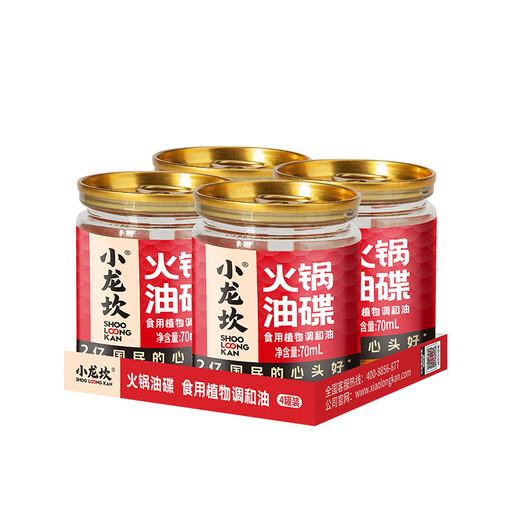
Why This Fits Their Persona: The four 70ml portions suit shoppers who want to try hot pot dipping oil without committing to one large bottle.
The 280ml total is divided into smaller servings, helping limit prolonged exposure after opening.
Contains maize oil and sesame oil in an 85:15 ratio; suitable for hot pot, noodles, cold dishes and salads.

Why This Fits Their Persona: A compact glass bottle and cold-pressed positioning suit cooks who prioritise a pronounced sesame aroma for finishing.
The ingredients list identifies sesame oil as the sole ingredient, rather than leaving the base oil unclear.
150ml glass format; suitable for cold dishes, dipping and adding over stir-fries before serving.
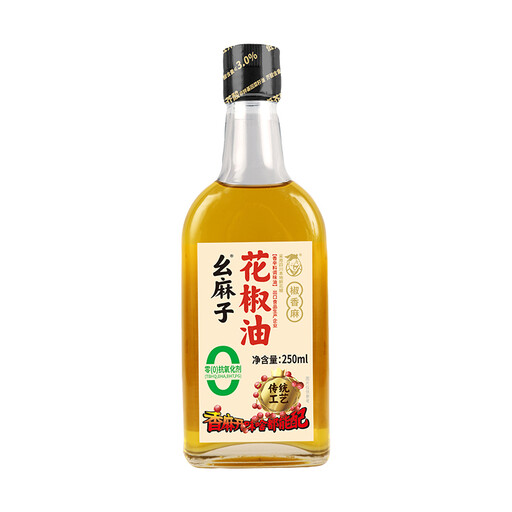
Why This Fits Their Persona: Regular Sichuan cuisine cooks can use this larger bottle across noodles, dips, hot pot, barbecue and cold dishes.
The product specifies Sichuan pepper as 40% of the formula and states that it should be added at the finishing stage for hot dishes.
Contains rapeseed oil and Sichuan pepper; 250ml glass bottle with no listed allergens.
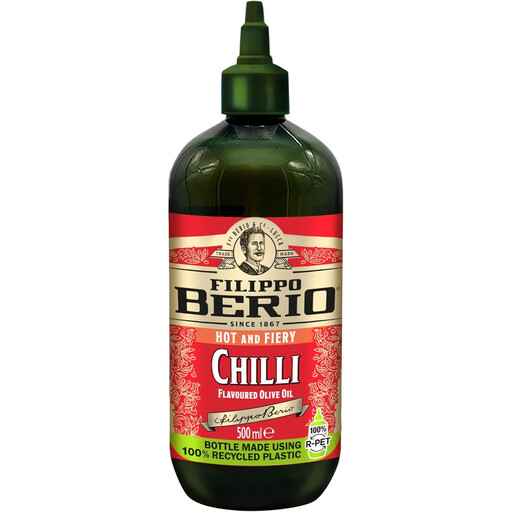
Why This Fits Their Persona: Its squeeze format suits cooks who use chilli oil across pizza, pasta, roasted vegetables, soups and everyday meals.
The listed composition makes the flavour profile clear: 99% extra virgin olive oil and 1% natural chilli flavouring.
500ml squeezable bottle; suitable for drizzling, sauces, stir-fries and finishing cooked dishes.
We have compiled a complete, real-time list of products that fully satisfy these strict selection criteria and UK safety regulations.
Use sesame oil sparingly in ramen, wonton soup, fried rice, cucumber salad and marinades. A few drops of cold-pressed sesame oil can provide aroma without making a dish greasy.
Sichuan peppercorn oil works well in dan dan noodles, cold chicken, dipping sauces and spicy stir-fries. Add it after turning off the heat if you want to retain more of its characteristic fragrance.
For hot pot dipping oil, start with a small amount and combine it with chopped garlic, coriander, spring onion or oyster sauce according to taste. Check the allergen information before serving.
Chilli-infused olive oil is convenient for pasta, pizza, roasted potatoes and vegetables. Its olive oil base gives it a different character from Chinese chilli oil, so it may be more suitable for cooks who want one bottle for Asian-inspired and European dishes.
Some can be used during cooking, but many are intended as seasoning or finishing oils. Check the product instructions. For high-heat frying, use a suitable cooking oil and add sesame, peppercorn or chilli oil towards the end.
Keep it tightly sealed in a cool, dark place away from sunlight and heat. If the packaging recommends refrigeration after opening, follow that instruction. A smaller bottle may be more practical for occasional use.
Begin with a few drops or around half a teaspoon per portion, then adjust. Strong oils such as Sichuan peppercorn oil and roasted sesame oil can dominate a dish when overused, while a blended hot pot dipping oil may be easier to add in larger quantities.