
24/7 Customer Support

Free returns

Same-day & Next-day Delivery

Quality Guaranteed

Unlock Your Welcome Offers: FREE Delivery | Up to 80% OFF | Free 30-day JoyPlus trial
Download the APP
Flavoured potato crisps can turn an ordinary film night, packed lunch or student gathering into something more interesting. UK shoppers can now choose from classic potato crisps, Chinese potato snacks, Japanese potato crisps and unusual seasonings such as seaweed, grilled squid and Sichuan pepper.
However, attractive packaging does not always tell you what you need to know. A large-looking bag may contain less than expected, bold flavour names may not indicate the main ingredients and imported snacks can have allergen or sweetener information that is easy to overlook. This guide explains what to check before buying, followed by tailored product suggestions for different snacking habits.
Crisp bags often contain protective space to reduce breakage during transport. This means a large packet may not offer as much product as its appearance suggests. Compare the net weight, not the size of the packaging.
For everyday snacking, 60g to 70g bags are easier to finish in one sitting. A 100g to 135g pack is more suitable for sharing, parties or keeping in the cupboard for several portions. Individual 20g packs can also help with portion planning, particularly for packed lunches or group occasions.
International flavours can include ingredients that are not obvious from the front of the packet. Seaweed crisps may contain soya, wheat, milk, sesame or shrimp extract. Wasabi nori crisps may include wheat and soya beans, while barbecue crisps can contain cereals, dairy or flavour enhancers.
UK shoppers should read the ingredients and allergen declaration before purchasing. Look for clearly emphasised allergens such as cereals containing gluten, soya beans, milk, sesame and crustaceans. If you have an allergy or intolerance, check the current packaging rather than relying only on a product title or online summary.
Tomato-flavoured crisps, spicy crisps and seaweed crisps can taste lighter or more refreshing than cheese- or meat-seasoned varieties, but flavour does not determine nutritional value. Potato snacks are still typically energy-dense and contain varying amounts of fat and salt.
Use the per 100g nutrition panel to compare products consistently. Check energy, fat, saturates, sugars and salt, then consider the actual serving size. Some products list sodium instead of salt, so avoid comparing the two figures as if they were identical.
Consider whether you prefer a familiar taste or a more distinctive international profile:
Descriptions such as “spicy” can refer to chilli heat, pepper warmth or wasabi sharpness. If you are buying for several people, a mixed selection of mild and stronger flavours may be more practical than choosing several intense varieties.
Thinly sliced crisps usually offer a light, delicate crunch, while ridged or wavy potato crisps have a thicker bite and hold more seasoning. Potato sticks provide a different eating experience and are often easier to divide into smaller portions.
Check whether the product is made from sliced potatoes or potato powder. Both formats can be enjoyable, but they produce different textures. For example, original-cut crisps generally have a more recognisable potato shape, while sticks and formed snacks offer consistent pieces.
Look for:
Once opened, reseal the bag or transfer the crisps to an airtight container. This will not restore freshness after prolonged exposure, but it can help reduce moisture-related loss of crunch.
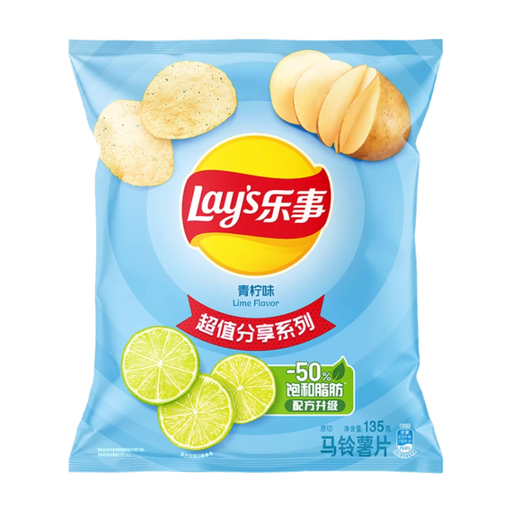
Why This Fits Their Persona: A larger 135g pack gives students, families and first-time buyers a familiar crisp format with a tangy lime seasoning for casual sharing.
The stated net quantity is clear, while the ingredient and allergen information identifies a source of phenylalanine from aspartame and possible gluten cross-contamination.
135g sharing format; thinly sliced texture; ready to eat directly from the bag.

Why This Fits Their Persona: Suitable for shoppers seeking Japanese potato crisps with a layered wasabi and seaweed seasoning rather than a standard salted or barbecue profile.
The product page specifies wheat and soya allergens, country of origin and a 100g net quantity, helping buyers assess the imported snack before ordering.
Sunflower oil listed in the ingredients; wasabi, nori and soya flavour combination; ready-to-eat format.
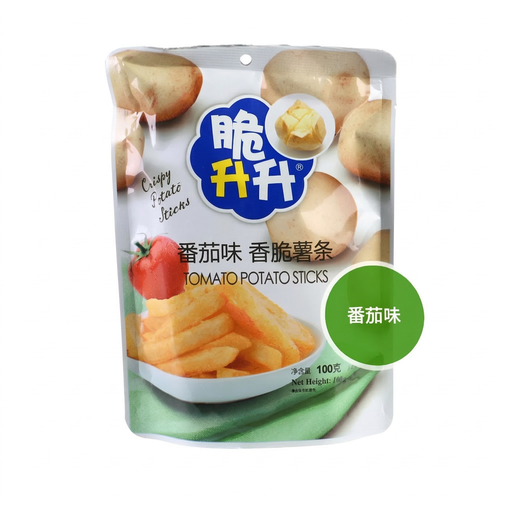
Why This Fits Their Persona: The potato-stick format suits commuters, lunchboxes and party tables where individually portioned snacks are easier to handle than a large open bag.
The pack is divided into five 20g portions, avoiding the need to repeatedly reopen a large bag and helping reduce avoidable loss of crispness.
100g total weight; five individual packs; tangy tomato flavour; ready to eat.
We have compiled a complete, real-time list of products that fully satisfy these strict selection criteria and UK safety regulations.
Yes. The products featured here are designed to be opened and eaten directly from the pack. Keep them stored in a cool, dry place and follow the packaging guidance after opening.
This depends on humidity, storage and the packaging seal. For the clearest crunch, consume crisps soon after opening and reseal the bag firmly. Individual packs can be useful when you want to avoid exposing the full quantity at once.
Packs around 100g to 135g are practical for a small gathering, while 60g to 70g bags work for one or two people. Consider offering contrasting flavours such as tomato, barbecue, lime and seaweed so guests can choose between tangy, smoky and savoury options. Always check allergens before serving imported snacks to others.