
24/7 Customer Support

Free returns

Same-day & Next-day Delivery

Quality Guaranteed

Unlock Your Welcome Offers: FREE Delivery | Up to 80% OFF | Free 30-day JoyPlus trial
Download the APP
Choosing flavoured soft drinks online can be less straightforward than it appears. Bright packaging may suggest a generous fruit content, while phrases such as “low calorie”, “natural flavour” or “functional” can leave out details that matter at the till.
Before choosing fruit drinks, fizzy drinks or juice drinks, check three common pitfalls:
The UK nutrition panel normally gives values per 100ml, allowing a more useful comparison between cans, bottles and concentrates. Also check the stated serving size: a 330ml can contains more drink than the standard 100ml reference amount.
Sugar-free soft drinks may use sweeteners such as sucralose, acesulfame K or aspartame. No-added-sugar squash can also contain sweeteners and requires dilution. If your household avoids particular sweeteners, read the full ingredient list rather than relying only on the front label.
For example, Tango Orange Sugar Free lists 0g sugar and 2 kcal per 100ml, while Sunpride Tropical Juice Drink lists 4.2g sugar and 18 kcal per 100ml. These serve different preferences: one prioritises a low-calorie fizzy drink, while the other offers a juice-based tropical profile.
The category affects how you use and store the product:
Look for practical details such as refrigeration after opening, recommended consumption time and whether the bottle requires an opener. A marble-sealed Japanese soda, for instance, needs careful opening and should not be shaken beforehand.
A single bottle may suit an occasional treat, while soft drink multipacks can reduce repeat ordering for households, parties or packed lunches. However, a large pack only represents good value if the flavour is likely to be used before the stated storage period.
Check the total volume, individual serving size and storage instructions. Squash can offer more prepared servings from one bottle, whereas cans and small bottles provide measured portions without preparation.
Some drinks also have specific considerations. Mogu Mogu products contain nata de coco pieces and should be shaken gently before drinking. Several products list coconut or sulphites as allergens, while some coloured drinks carry label warnings concerning children’s activity and attention. Always check the current packaging before purchase.
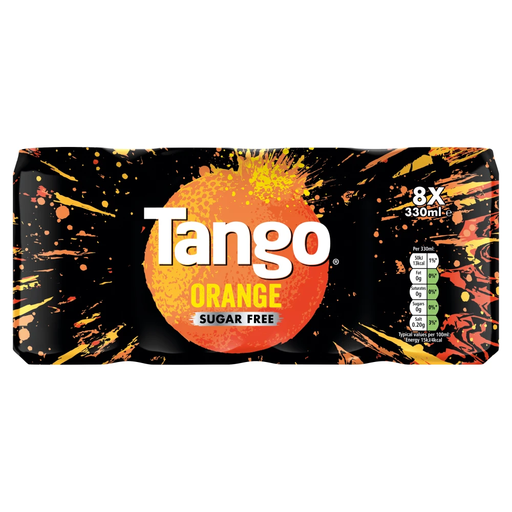
Why This Fits Their Persona: An eight-can format gives households individually portioned orange fizzy drinks for lunches, meals or chilled storage.
The label states 0g sugar and 2 kcal per 100ml, making the low-sugar positioning easy to verify rather than inferred from packaging.
330ml cans; orange flavour; sugar-free recipe; suitable for vegetarian and vegan diets according to the supplied product information.
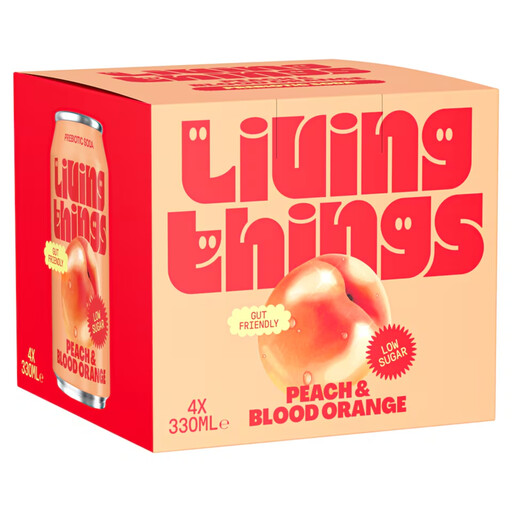
Why This Fits Their Persona: A smaller four-can selection suits shoppers seeking a fruit-led sparkling drink with a more unusual peach and blood orange combination.
The listing gives specific figures: 13 kcal, 1.5g sugar and 2g fibre per 100ml. It also identifies live cultures and advises checking the label for changes.
330ml cans; peach and blood orange flavour; no artificial additives stated in the supplied description; no allergens listed.
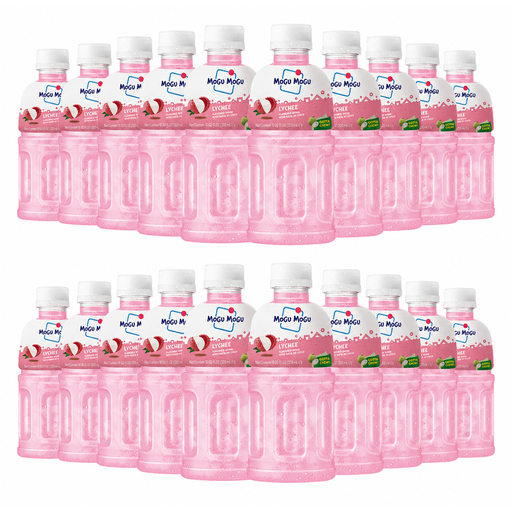
Why This Fits Their Persona: The 24-bottle format works for parties, shared households and shoppers who specifically want a textured fruit drink rather than standard soda.
The product clearly states that it is not carbonated and provides the nata de coco content, sugar figures and coconut allergen information.
320ml bottles; lychee flavour; 25% nata de coco listed; ready to drink and suitable for chilled serving.
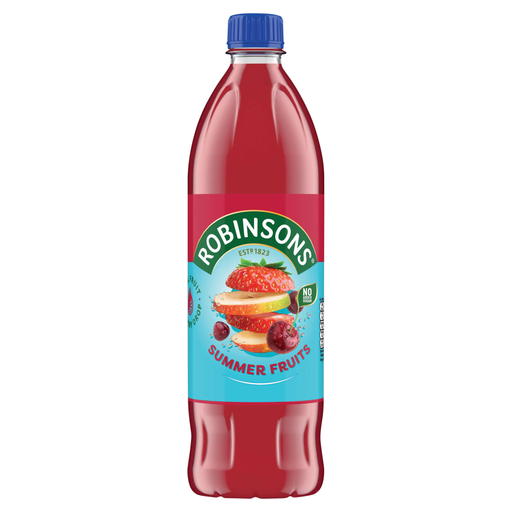
Why This Fits Their Persona: A one-litre bottle is practical for family meals, refillable water bottles and households that prefer to control dilution.
The listing identifies it as a concentrate, provides diluted nutritional information and states that it contains sweeteners and sulphites.
Summer-fruit flavour; no added sugar; 2 kcal per 100ml diluted serving; suitable for vegan and vegetarian diets according to the listing.
We have compiled a complete, real-time list of products that fully satisfy these strict selection criteria and UK safety regulations.
For international choices, consider Japanese soda such as lychee-flavoured Ramune, Mexican soda such as Jarritos Strawberry or Mexican Cola and nata de coco drinks in melon, peach or pineapple coconut flavours. These products offer distinctive textures or flavour profiles, but they may contain more sugar than sugar-free soft drinks.
For a fruit-forward option, Sunpride Tropical Juice Drink combines several fruit juices from concentrate. For a British-style blackcurrant option, Ribena and other fruit squash products provide a concentrate format for flexible dilution. Those looking for sparkling functional drinks can compare fibre, live-culture and calorie information rather than relying on the word “functional” alone.
Suitability depends on the specific ingredients, caffeine content, sweeteners, colourings and serving size. Avoid assuming that a fruit flavour makes a drink suitable for every child. Check the label for age guidance, allergen statements and colour warnings. Caffeinated products such as cola-style drinks may not be appropriate for children.
The answer depends on the price, pack size and dilution ratio. Squash can produce multiple servings from one bottle, while multipacks offer convenience and measured portions. Compare the cost per litre of the prepared drink, not just the shelf price.
Follow the packaging instructions. Carbonated drinks usually retain their texture more effectively when sealed and refrigerated. Opened juice drinks, nata de coco drinks and squash commonly require refrigeration and consumption within a stated period. Check the best-before date, storage conditions and current label before serving.