
24/7 Customer Support

Free returns

Same-day & Next-day Delivery

Quality Guaranteed

Unlock Your Welcome Offers: FREE Delivery | Up to 80% OFF | Free 30-day JoyPlus trial
Download the APP
Choosing between fruit-flavoured sparkling water, sugar-free soda and non-alcoholic sparkling drinks can be more complicated than it appears. Bright packaging often highlights “natural”, “light” or “functional” features while leaving important details in small print.
Whether you are buying drinks for a family fridge, office, party or everyday refreshment, compare the label before the branding. The right choice depends on sugar content, sweeteners, serving size, flavour strength, storage and pack size.
A drink can taste strongly of peach, apple or strawberry without containing much fruit. Some fruit-flavoured soft drinks use flavourings alongside sugar, juice concentrate or sweeteners. Others are closer to sparkling water, with natural flavourings and fruit extracts.
Check the nutrition panel per 100ml, then look at the per-can or per-bottle figure. This prevents a smaller serving size from making a drink appear lighter than it is. For example, a 330ml can containing 0g sugar is a different proposition from a 330ml drink containing several grams per 100ml.
Sugar-free sparkling water and zero-calorie fizzy drinks may use sweeteners such as sucralose, acesulfame-K, steviol glycosides or erythritol. These ingredients can suit shoppers reducing sugar, but they will not suit everyone’s taste preferences.
If you want a simpler ingredient list, compare the full ingredients panel rather than relying on front-of-pack wording. Drinks such as Dash Water list carbonated spring water, natural flavourings, fruit extract and citric acid, while other zero-sugar options contain one or more sweeteners.
A 24-can pack can offer convenient stock for an office, event or busy household, but it may be unnecessary if you are trying a flavour for the first time. Conversely, buying individual cans for regular consumption may cost more per serving and create repeated delivery orders.
For occasional use, consider a single bottle or a 4-can multipack. For parties, work fridges and family gatherings, sparkling water multipacks or 24-can soft drink packs are generally more practical. Always check the best-before information and storage guidance before buying in bulk.
For shoppers seeking low-sugar soda or healthy soft drinks as a general shopping category, the label is more useful than marketing language. Compare:
Dash Grapefruit Sparkling Water lists 0g sugar per 100ml and 2kcal per 100ml in the supplied product information. Tango Apple Sugar Free lists 0g sugar and 3kcal per 100ml. By contrast, De Vina Sparkling Strawberry lists 4.5g sugar and 18kcal per 100ml.
These differences matter when choosing between a lightly flavoured sparkling water and a sweeter fruit drink.
If you are buying vegan soft drinks, check the product-specific ingredients and allergen statement rather than assuming every fizzy drink is suitable. Some drinks contain milk ingredients, as found in strawberry milk-style soda, while others state that no allergens are present.
Also look for:
Functional soda may contain fibre or live cultures. Living Things products, for example, list chicory root inulin and live cultures. This describes the formulation, not a medical benefit. Products containing live cultures may also include age-related instructions, so read the packaging carefully.
The most common UK formats in this selection include 330ml cans, 480–550ml bottles and 750ml glass bottles. Cans are convenient for lunches, picnics and events, while larger bottles may work better when serving several people with meals.
Check whether the product should be:
For drinks delivery UK shoppers should also consider the total quantity, delivery timing and whether there is enough cupboard or refrigerator space.
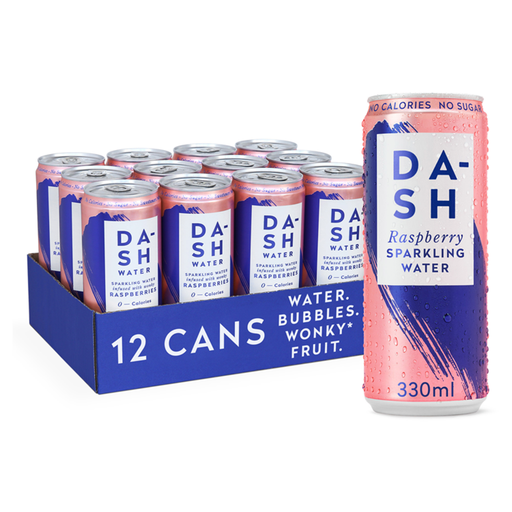
Why This Fits Their Persona: A practical starting point for shoppers who want fruit-flavoured sparkling water without sugar or sweeteners. The 12-can format suits home, desk drawers and weekend gatherings.
The supplied information lists 0g sugar per 100ml and no sweeteners, making the formulation clear to compare with sweeter soft drinks.
12 x 330ml cans; carbonated spring water; raspberry extract; no listed allergens.
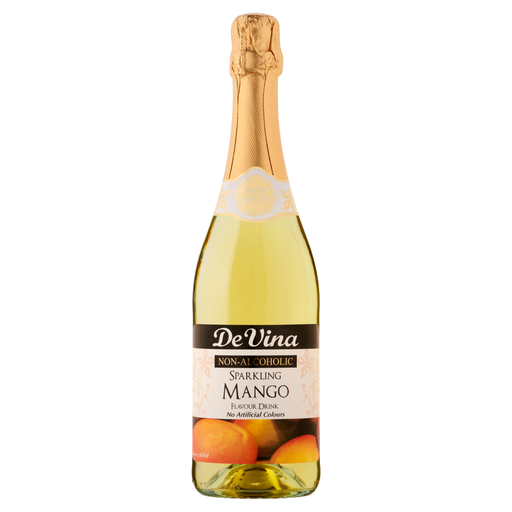
Why This Fits Their Persona: The larger glass bottle is suited to dinner tables, celebrations and alcohol-free toasting where presentation matters.
Its nutrition information states 18kcal and 4.5g sugar per 100ml, so shoppers can account for its sweetness rather than treating it as sparkling water.
750ml glass bottle; non-alcoholic; mango flavour with white grape juice from concentrate.

Why This Fits Their Persona: A 24-can pack is convenient for office refrigerators, barbecues, parties and larger households that want a recognisable fruit-flavoured fizzy drink.
The listing states 0g sugar and 3kcal per 100ml, while clearly identifying sucralose and acesulfame-K in the ingredients.
24 x 330ml cans; apple juice from concentrate; stated as suitable for vegetarians and vegans.
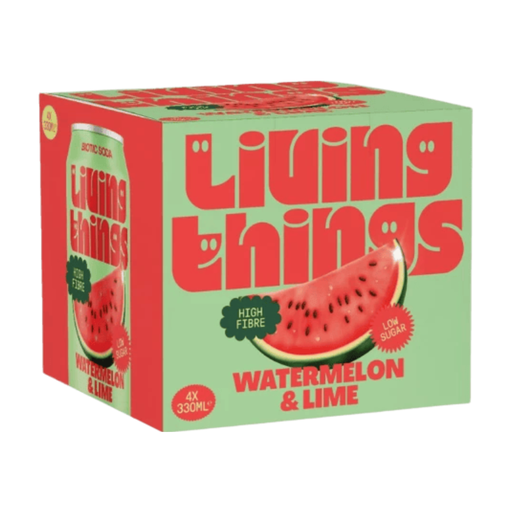
Why This Fits Their Persona: A smaller multipack lets shoppers try functional soda with fruit juice, fibre and live cultures without committing to a large case.
The label information states 1.7g sugar and 13kcal per 100ml, and identifies inulin and live cultures rather than leaving the formulation vague.
4 x 330ml cans; 2% chicory root inulin listed; no allergens declared; described as suitable for vegan and plant-based diets.
We have compiled a complete, real-time list of products that fully satisfy these strict selection criteria and UK safety regulations.
Sugar-free sparkling water can be a useful alternative to drinks containing sugar, but preferences vary because formulations may include sweeteners or acids. Compare the ingredients and nutrition panel, and choose products that fit your own dietary requirements. It should not automatically be treated as a replacement for plain water in every situation.
Yes. Carbonation gradually escapes once a can or bottle is opened. Reseal larger bottles promptly and refrigerate them according to the label. Single-serve cans are often more practical when you want consistent fizz without storing an opened container.
Check the product-specific instructions. Some drinks containing live cultures state that they are not suitable for children under three. Products may also contain sweeteners, acids or added ingredients that parents may wish to review before serving. Always read the current UK packaging, as formulations and labelling can change.