
24/7 Customer Support

Free returns

Same-day & Next-day Delivery

Quality Guaranteed

Unlock Your Welcome Offers: FREE Delivery | Up to 80% OFF | Free 30-day JoyPlus trial
Download the APP
Flavoured water can be a practical alternative to traditional fizzy drinks, but the bottle label often tells a more useful story than the front-of-pack marketing. UK shoppers comparing sugar-free flavoured water, sparkling cans and fruit-infused water should look beyond phrases such as “natural”, “light” or “refreshing”.
The most common buying pitfalls are:
The UK nutrition panel normally lists energy, carbohydrate and sugars per 100ml. This makes it easier to compare still flavoured water with sparkling flavoured water, fruit drinks and traditional soft drinks.
For a sugar-free choice, look for 0g sugars per 100ml and check whether sweeteners are listed in the ingredients. A low-calorie drink may still contain sugar, as shown by Suntory Peach Water, which lists 4.8g of sugars and 20 kcal per 100ml. That can be suitable for shoppers who prefer a lightly sweetened fruit drink, but it is not equivalent to a zero-sugar option.
Still flavoured water is generally easier to drink with meals, take to work or pack for school and travel. Sparkling versions provide carbonation and can feel closer to a conventional fizzy drink.
Dash Water, for example, uses carbonated spring water with natural flavourings and fruit extracts. Its raspberry, orange and grapefruit varieties list no sugar, while the product format is a 12-pack of 330ml cans. These are convenient for the fridge or social occasions but less suited to carrying around than a resealable bottle.
A 500ml bottle is useful for a handbag, gym bag or daily commute. Larger bottles and fruit water multipacks may offer more practical value for households, but they need fridge space.
Also check the full ingredient list. Some flavoured spring water products contain preservatives and sweeteners, while Asian-inspired beverages may include juice concentrates, tea extracts, herbs or traditional ingredients. Review allergen information carefully, particularly for drinks containing barley, soya or sulphites.
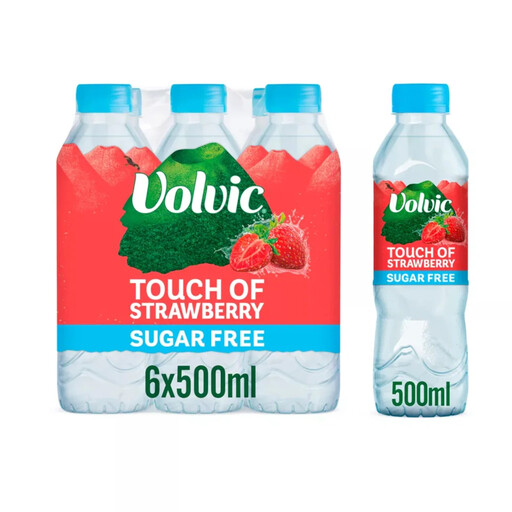
Why This Fits Their Persona: Six portable 500ml bottles provide a straightforward way to replace sugary soft drinks during commutes, lunches or errands.
The label states 0g sugars and 1 kcal per 100ml, while also clearly listing sweeteners in the ingredients.
Strawberry flavour, 500ml format and bottles made from 100% recycled plastic excluding caps and labels.
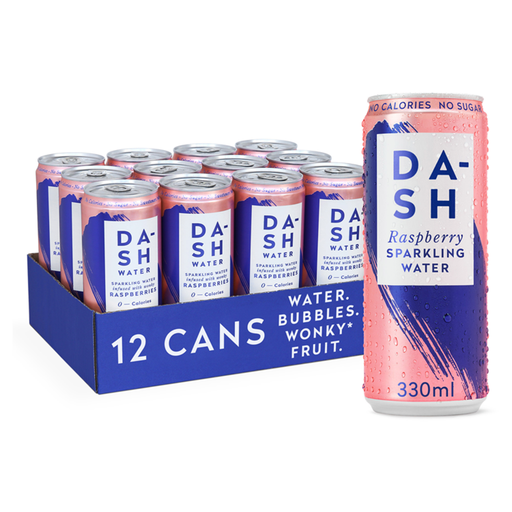
Why This Fits Their Persona: A can-based option for shoppers who want carbonation, fruit flavour and an easy-to-serve format for lunches or gatherings.
The listed ingredients are carbonated spring water, natural flavourings, raspberry extract and citric acid, with 0g sugars per 100ml.
330ml cans, sparkling spring water and raspberry extract; the pack contains 12 cans.
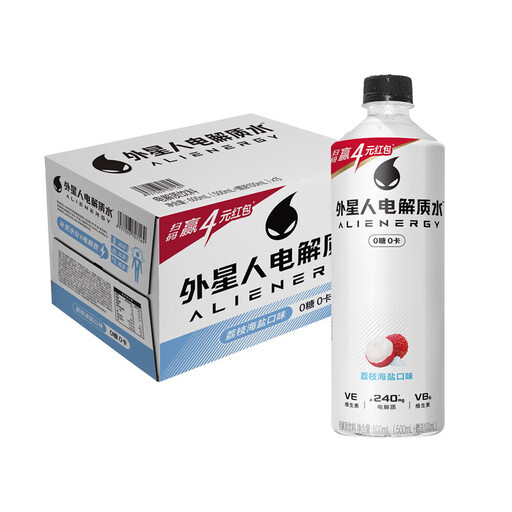
Why This Fits Their Persona: The 15-bottle pack suits regular users who want ready-to-drink bottles for gym bags, small footprint or busy household routines.
It lists 0g sugars per 100ml and identifies sweeteners, salt and vitamins in the ingredients and nutrition information.
600ml bottles, litchi sea-salt flavour and a multipack format; the label includes a warning about excessive sweetener consumption.
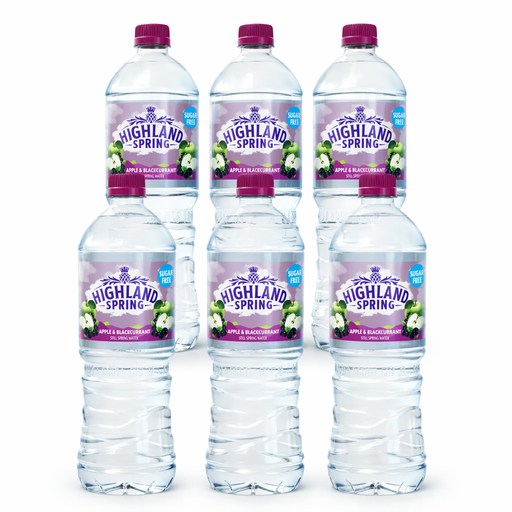
Why This Fits Their Persona: Six 1.25-litre bottles are convenient for household sharing, packed lunches and keeping chilled for meals.
The product is still rather than sparkling and lists 0g sugars and 1 kcal per 100ml, with sweetener identified on the label.
Apple and blackcurrant flavour, 1.25-litre bottles and a six-bottle multipack.
We have compiled a complete, real-time list of products that fully satisfy these strict selection criteria and UK safety regulations.
It depends on the product. Sugar-free flavoured water with 0g sugars and low energy can reduce sugar intake compared with a standard sugary soft drink. However, some flavoured drinks contain juice, sugar or sweeteners. Compare the nutrition panel rather than assuming every flavoured water has the same formulation.
Water-based drinks contribute fluid intake, but individual needs vary with factors such as activity, weather and diet. For everyday use, choose a drink you enjoy and can consume regularly, while checking the label for sugar, caffeine and sweeteners.
Follow the storage instructions on the bottle. Several products listed here advise refrigeration after opening and consumption within 24 hours, three days or one week, depending on the formulation. Keep unopened bottles in a cool, dry place away from direct sunlight and check the best-before information before serving.