
24/7 Customer Support

Free returns

Same-day & Next-day Delivery

Quality Guaranteed

Unlock Your Welcome Offers: FREE Delivery | Up to 80% OFF | Free 30-day JoyPlus trial
Download the APP
Flavoured water can be a practical alternative to traditional fizzy drinks, but the front of the bottle does not always tell the full story. A drink labelled “fruit”, “natural” or “light” may still contain sweeteners, added sugar or more calories than expected.
Whether you want sugar-free flavoured water, sparkling water for meals or a multipack for the office, checking a few details can help you avoid paying for packaging rather than a drink that suits your routine.
“No added sugar” means that sugar has not been added during production. It does not automatically mean the drink contains no sugar, particularly if fruit juice or concentrates are included.
In UK food labelling, a product described as sugar-free generally needs to contain no more than 0.5g of sugars per 100ml. Still, always check the nutrition panel because recipes can vary between flavours and pack sizes.
A flavoured water may use natural flavourings but also contain acids, preservatives and sweeteners. This is not necessarily a problem, but it may matter if you prefer a short ingredient list or are avoiding specific additives.
For example, some sugar-free drinks use sucralose or acesulfame K, while others use monk fruit or erythritol. Read the full ingredients list rather than relying on terms such as “clean”, “fresh” or “natural”.
A 330ml can of sparkling water may work well with lunch, while a 1.25L still bottle is more convenient for sharing at home. Buying individual bottles for regular consumption can also cost more per serving than a multipack bottled water format.
Consider where the drink will be stored, whether you need refrigeration and how quickly an opened bottle should be consumed.
For shoppers seeking zero-sugar drinks or low-calorie drinks, compare the nutrition information per 100ml first. This makes it easier to compare a 500ml bottle with a larger family-size bottle.
Some useful checks include:
“Zero sugar” does not mean “unsweetened”. A drink can contain sweeteners while still recording 0g of sugar.
Still flavoured water is usually easier to drink throughout the day and is suitable for shoppers who do not enjoy carbonation. Sparkling water provides bubbles without necessarily containing sugar, making it a possible replacement for conventional carbonated soft drinks.
Electrolyte water needs closer inspection. Check which minerals are included, the salt content and whether the product contains sweeteners or added vitamins. Electrolyte drinks can be convenient after exercise or in warm conditions, but avoid treating added minerals as a substitute for a balanced diet or medical advice.
A large bottle can offer convenience at home, but once opened it may need refrigeration and consumption within a stated period. Smaller bottles are easier to carry to work, the gym or school, although they create more packaging units.
Look for:
Always check the physical label at purchase, as packaging and formulations may change.
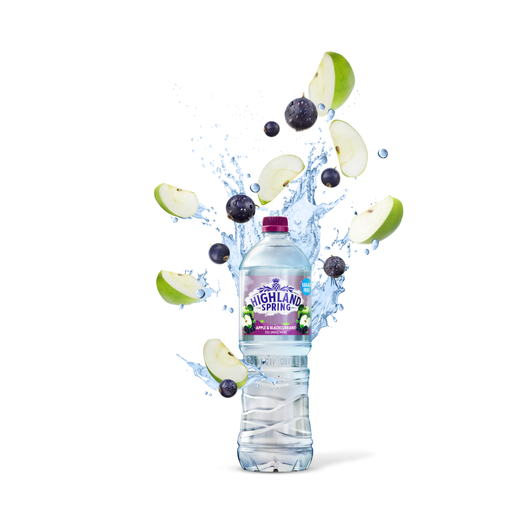
Why This Suits Their Persona: A larger still bottle for home, shared meals or keeping in the fridge, with apple and blackcurrant flavour and no sugar listed per 100ml.
The listed nutrition information shows 0g sugar and 1kcal per 100ml. The ingredients also clearly identify sucralose, so shoppers are not left guessing about sweetness.
1.25L bottle; still format; apple and blackcurrant flavour; refrigerate after opening and consume within 3 days.
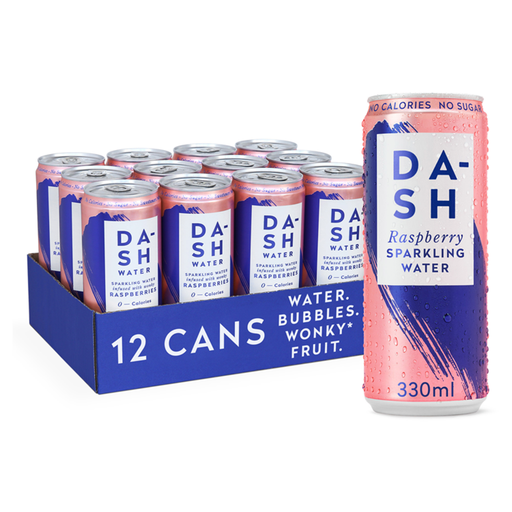
Why This Suits Their Persona: A can-based option for shoppers who prefer bubbles, portion control and a fruit-led drink for lunches, gatherings or the drinks fridge.
The listing specifies no sugar, sweeteners or calories, rather than relying only on a broad “healthy soft drinks” description.
12 x 330ml cans; sparkling spring water; raspberry extract; listed at 1kcal and 0g sugar per 100ml.
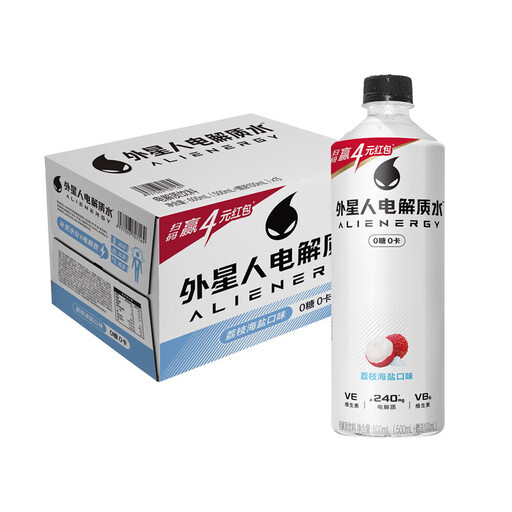
Why This Suits Their Persona: A ready-to-drink multipack for gym bags, busy working days or households wanting individually sealed hydration drinks.
Its nutrition panel states 0kcal and 0g sugar per 100ml, while the ingredients identify salt, vitamins and sweetener E968. The listing also carries a laxative-effect warning for excessive consumption.
15 x 600ml bottles; litchi sea salt flavour; includes vitamins E and B6; ready to drink chilled.
We have compiled a complete, real-time list of products that fully satisfy these strict selection criteria and UK safety regulations.
It depends on the product. Sugar-free flavoured water and some sparkling water contain little or no sugar, while other fruit drinks may contain added sugar or juice. Compare the nutrition panel and ingredients rather than assuming every flavoured water has the same profile.
Water-based drinks contribute fluid, but recipes vary. If you are monitoring sugar, caffeine, sweeteners or salt, select a product whose ingredients and nutrition information suit your needs. For specific health or dietary requirements, check the label or seek appropriate professional advice.
Follow the storage instructions on the packaging. Many still flavoured water products should be refrigerated after opening and consumed within a stated period, while cans are generally intended for single servings. Keep unopened products away from direct sunlight and strong odours, and check the best-before information before drinking.