
24/7 Customer Support

Free returns

Same-day & Next-day Delivery

Quality Guaranteed

Unlock Your Welcome Offers: FREE Delivery | Up to 80% OFF | Free 30-day JoyPlus trial
Download the APP
Choosing between flavoured water and sparkling drinks can look simple until you compare sugar, sweeteners, bottle size, ingredients and storage instructions. A drink labelled “light”, “natural” or “fruit-flavoured” may still contain sugar, preservatives or artificial sweeteners. Meanwhile, a large multipack may offer convenience but be unsuitable if you have limited cupboard or fridge space.
This guide from the Joybuy Product Recommendation Officer explains the practical details worth checking before you buy, followed by Our Top Recommendations for 2026 for different UK lifestyles.
Sugar-free flavoured water and zero-sugar beverages can contain sweeteners such as sucralose, acesulfame K, erythritol or steviol glycosides. These ingredients may be suitable for shoppers reducing sugar, but they still matter if you prefer a short ingredient list or are sensitive to particular sweeteners.
Check both the nutrition panel and ingredients list. For example, Volvic Touch of Fruit Lemon & Lime contains 0g sugar per 100ml but includes acesulfame K and sucralose. Highland Spring’s strawberry and apple & blackcurrant waters also list sucralose.
A sparkling fruit drink may contain concentrated juice, flavourings or both. Huayang White Peach & Sakura includes concentrated peach and apple juice, while its label also lists edible flavouring. The pineapple version contains concentrated pineapple, apple and pear juices.
This does not make either product unsuitable, but it means “fruit-flavoured” should not automatically be interpreted as a juice drink. Look for the quantitative ingredient declaration and the percentage of juice where available.
Some Chinese drinks and imported soft drinks use colourings and preservatives that UK shoppers may wish to avoid. Huayang White Peach & Sakura lists E211, E129 and sweeteners, with a warning that E129 may have an adverse effect on activity and attention in children. The Huayang pineapple drink lists E102 and E110 with a similar warning.
Always read the label before serving drinks to children, particularly when buying a soft drink multipack for family use.
Comparing products using the same measurement makes shopping easier. Current examples include:
A drink with 0g sugar may still contain sweeteners, so compare both panels rather than relying on front-of-pack wording.
Still fruit-flavoured water is generally convenient for desks, commuting and packed lunches. Sparkling options add carbonation and can work well with meals or as a mixer for mocktails. Check whether the bottle should be chilled, shaken gently before opening or consumed shortly after opening.
Carbonated drinks may also be less convenient for carrying in a work bag once opened. Glass bottles can offer a more traditional serving format, but they are heavier and more fragile than PET bottles.
A 500–600ml bottle is practical for travel, gym bags and individual use. Larger 1.25L bottles can be more economical for households, but they need refrigeration after opening and may be less portable.
For example, the 20 x 358ml Huayang packs contain 7.16 litres in total, while Highland Spring and Volvic multipacks are designed around larger or portable still-water formats. Always check best-before information, storage conditions and the recommended time for consuming an opened bottle.
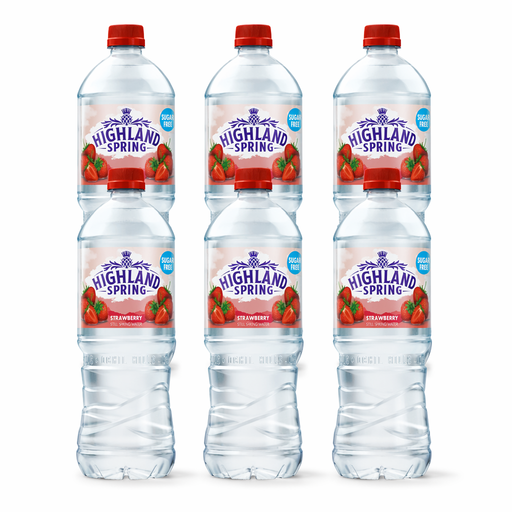
Why This Fits Their Persona: The larger bottles suit shared fridges, home offices and family shopping, while the still strawberry format is easy to serve with lunch or keep chilled at home.
The label states 0g sugar and around 1 kcal per 100ml, while also identifying sucralose and other ingredients clearly.
Six 1.25L bottles provide a substantial household supply; still water is straightforward to store and serve.
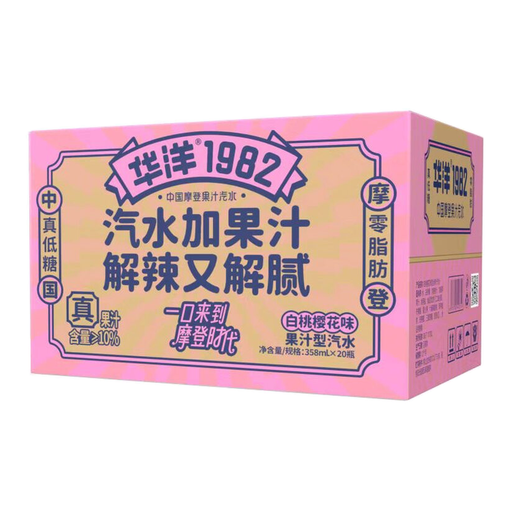
Why This Fits Their Persona: Glass bottles and a distinctive peach-and-cherry-blossom flavour suit dinner parties, gifting or shoppers looking for Chinese drinks with a more traditional serving style.
Its product information gives a specific calorie value of 16 kcal per 100ml and lists juice concentrates, colour, preservative and sweeteners.
The 20-bottle pack is suitable for entertaining; carbonation and glass packaging create a conventional soft-drink presentation.
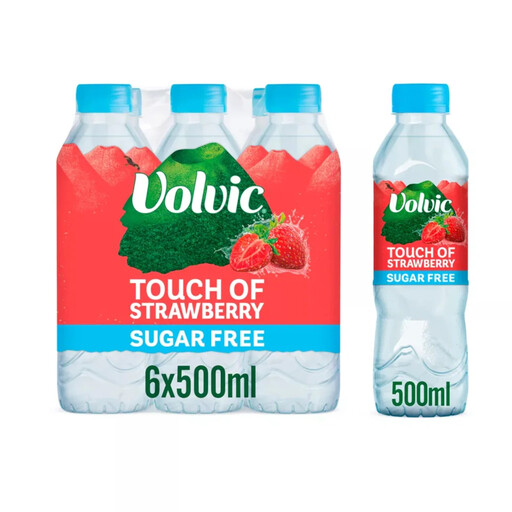
Why This Fits Their Persona: Six 500ml bottles are convenient for university bags, office drawers, train journeys and packed lunches.
The label specifies 0g sugar and 1 kcal per 100ml rather than relying only on “sugar-free” front-of-pack wording.
Portable 500ml format; strawberry flavour; the product information states that the bottles are made from recycled plastic excluding caps and labels.
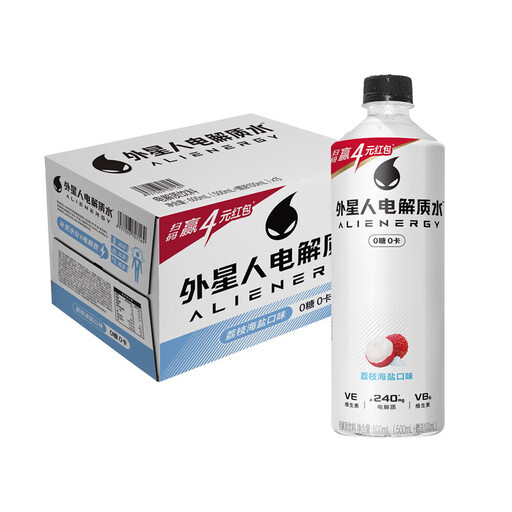
Why This Fits Their Persona: The 600ml bottles are suited to gym bags and active routines for shoppers specifically comparing electrolyte water with standard flavoured drinks.
The product information states 0 kcal and 0g sugar per 100ml, while also disclosing salt, sweeteners and the warning regarding excessive consumption.
15 ready-to-drink bottles; litchi sea-salt flavour; includes vitamins E and B6 according to the listed product information.
We have compiled a complete, real-time list of products that fully satisfy these strict selection criteria and UK safety regulations.
It can be a practical lower-sugar alternative to conventional soft drinks, but recipes vary. Check the sweetener, preservative and caffeine information, and remember that plain water remains a simple everyday option. Always follow the product’s storage instructions after opening.
The main cost difference usually comes from the drink format, pack size, brand and packaging rather than preparation. Glass-bottle sparkling drinks may cost more to transport and store than larger PET multipacks. Compare the total price against the overall litre volume before purchasing.
Choose 500–600ml for commuting, university and gym bags. A 1.25L bottle is more suitable for home or office sharing. Larger multipacks reduce the need for frequent purchases, but check available storage space and use opened bottles within the period stated on the label.