
24/7 Customer Support

Free returns

Same-day & Next-day Delivery

Quality Guaranteed

Unlock Your Welcome Offers: FREE Delivery | Up to 80% OFF | Free 30-day JoyPlus trial
Download the APP
As a pet owner, discovering fleas or ticks on your furry companion or in your home can be a frustrating experience. The market is filled with options, from spot-on treatments and tablets to sprays and collars, making it difficult to know what to choose. Navigating the claims and options can lead to costly mistakes that fail to solve the problem.
This guide, prepared by the Joybuy Product Recommendation Office, cuts through the clutter. We'll highlight common purchasing pitfalls and break down the essential factors to consider, helping you select an effective and appropriate flea and tick treatment for your pet and home.
Many well-intentioned pet owners find themselves in a repeating cycle of treatment without success. This is often due to a few common misunderstandings:
To make an informed choice, focus on these three non-negotiable factors.
The effectiveness of a product lies in its active ingredients. Most UK-authorised veterinary medicines for flea and tick control use a combination of substances to tackle the problem from multiple angles.
spot on flea treatment products. They work by disrupting the central nervous system of adult fleas and ticks, typically killing them within 24-48 hours of contact.A successful strategy requires a two-pronged approach. While a dog flea and tick treatment is the first step, you must also address your living space.
flea spray for house or a flea bomb for house UK. These products are formulated to be used on carpets, soft furnishings and pet bedding to kill eggs and larvae.Never assume a product is safe for your pet without checking the label.
cat flea treatment.flea treatment for puppies from 8 weeks old.dog worming tablets or cat equivalents.Based on the criteria above, we've matched some available products to common user needs.
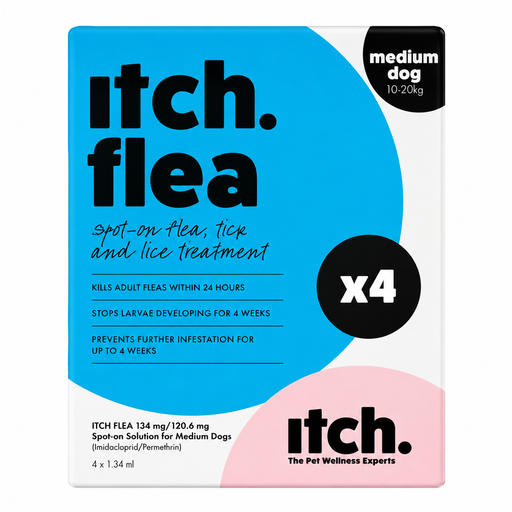
Why This Fits Their Persona: Ideal for the owner of a medium-sized dog who wants a straightforward, monthly preventative treatment. The spot-on application is quick and the multi-pack ensures they are covered for several months.
This treatment contains both Fipronil and (S)-Methoprene, meaning it doesn't just kill adult fleas but also breaks the life cycle, preventing a larger infestation from taking hold in the home.
The dual-action formula provides comprehensive protection against both fleas and ticks, while being specifically dosed for the 10-20kg weight range for safety and efficacy.
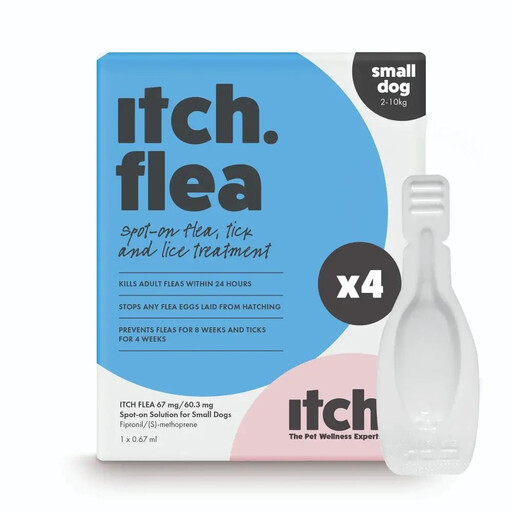
Why This Fits Their Persona: Perfect for owners of small breeds or new puppies who are rightly cautious about safety. This product offers peace of mind with its clear age and weight guidelines.
It directly counters the "one-size-fits-all" pitfall by providing a dosage specifically tailored for small dogs (2-10kg) and puppies from 8 weeks old, avoiding the risk of using an incorrect strength.
The formula is indicated as suitable for puppies from 8 weeks of age and is also noted as being usable on pregnant and lactating dogs, offering a reliable choice for sensitive situations.
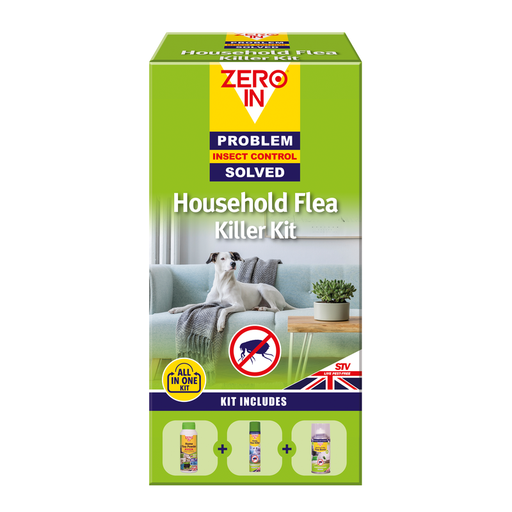
Why This Fits Their Persona: For the household that has discovered a persistent flea problem. This person understands that treating the pet isn't enough and needs a powerful, multi-faceted solution for the home itself.
This kit directly tackles the pitfall of ignoring the home environment. It provides the tools needed to address the 95% of the flea population living in carpets and furnishings, which is crucial for ending an infestation.
This is a comprehensive system, including a powder, spray and flea bomb. This allows for a targeted approach to different areas of the home for a more thorough treatment.
We have compiled a complete, real-time list of products that fully satisfy these strict selection criteria and UK safety regulations.
This depends entirely on the product. Most spot-on treatments for dogs and cats are designed for monthly application. Some flea collars may offer protection for several months. Always read and follow the manufacturer's instructions on the packaging to ensure continuous protection and avoid under- or over-dosing.
No, you should never use a flea treatment specifically formulated for dogs on a cat unless the product explicitly states it is safe for both species. Many dog treatments contain permethrin, an insecticide that is highly toxic to cats and can cause severe neurological damage or death. Always use a species-specific product.
A flea spray for house is designed for targeted application. You can use it to treat specific areas like pet bedding, skirting boards and under furniture where fleas are likely to hide. A flea bomb for house UK (also known as a fogger) releases a fine mist that permeates an entire room, reaching cracks and crevices. Bombs are useful for treating a widespread infestation in a contained space, but you and your pets will need to vacate the room during and for a period after treatment.