
24/7 Customer Support

Free returns

Same-day & Next-day Delivery

Quality Guaranteed

Unlock Your Welcome Offers: FREE Delivery | Up to 80% OFF | Free 30-day JoyPlus trial
Download the APP
Keeping the floors in your home clean and looking their best can feel like a constant challenge. From muddy footprints in the hallway to spills in the kitchen, daily life takes its toll. With so many different products on the market, choosing the right floor cleaner can be confusing. Using the wrong formula could, at best, leave a dull, streaky finish and at worst, cause permanent damage to your flooring.
As the Joybuy Product Recommendation Officer, my role is to help you navigate these choices. We've analysed the options to provide clear, practical guidance, helping you select a cleaner that is effective, safe for your specific floor type and aligns with your household's needs. This guide will walk you through what to look for and highlight some standout options for 2026.
Before you add a product to your basket, considering a few key factors will ensure you get a brilliant clean without any regrets.
This is the most critical step. Different flooring materials have unique chemical sensitivities.
wood floor cleaner is always a sound investment.hard floor cleaner. However, it's still wise to avoid overly harsh chemicals or abrasive agents that could dull the surface.tile floor cleaner or a gentle, nourishing soap is often recommended to clean effectively without stripping natural oils or causing discolouration.For many UK households, what's in the bottle is just as important as the results. If you prioritise sustainability or have children and pets at home, look for an eco-friendly floor cleaner. Key features to watch for include:
plant-based floor cleaner uses active ingredients derived from renewable resources like corn or coconut, rather than petroleum.Nothing is more frustrating than finishing your mopping only to see streaks and a dull film once the floor dries. This residue is often caused by excess soap or polymers in the cleaning formula. To achieve a streak-free floor cleaner result, look for "no-rinse" formulas designed to evaporate cleanly. Using a microfibre mop and not oversaturating the floor with product will also help significantly.
Based on their formulation, intended use and user-focused features, here are our recommendations to help you find a suitable floor cleaner for your home.

Why It Stands Out: This cleaner is specifically formulated for sealed hardwood and laminate floors. Its plant-based, pH-balanced formula is designed to clean effectively without damaging the floor's protective finish. The no-rinse solution dries quickly to a streak-free shine, leaving behind a pleasant almond scent.
View Product Details on Joybuy.co.uk
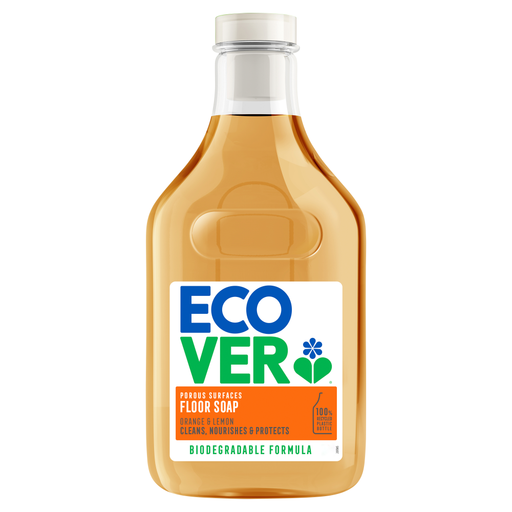
Why It Stands Out: Ecover's Floor Soap is an excellent choice for porous surfaces like natural stone, terracotta and unsealed tiles. Formulated with linseed oil, it not only cleans but also helps to nourish and protect the floor's natural surface. It leaves no sticky residue and has a refreshing citrus fragrance.
View Product Details on Joybuy.co.uk

Why It Stands Out: For households with a variety of hard floors, this all-purpose cleaner offers great versatility. It's effective at cutting through grease and grime on surfaces like laminate floor types, vinyl and linoleum. The non-abrasive formula is safe for regular use and leaves floors with a noticeable shine and a fresh scent.
hard floor cleaner for non-specialised surfaces like tiles, vinyl and laminate.View Product Details on Joybuy.co.uk
While these recommendations cover some of the most common flooring needs, every home is different. If you're looking for a cleaner for a specific type of stain or a different floor material, we have a wider selection available.
Explore Our Full Range of Floor Cleaning Products
1. Can I use one floor cleaner for all my floors? It is generally not advisable. Different floor materials react differently to cleaning agents. A wood floor cleaner is pH-neutral to protect the sealant on wood, whereas a tile floor cleaner might be formulated to tackle grout and soap scum. Using an all-purpose cleaner on a sensitive surface like unsealed stone or hardwood could cause damage. Always check the product label for its recommended surfaces.
2. What makes a floor cleaner 'eco-friendly'? An eco-friendly floor cleaner usually has several key attributes. The formula is often a plant-based floor cleaner, meaning its cleaning agents come from renewable sources. It should also be biodegradable, allowing it to break down without harming aquatic life. Furthermore, many eco-conscious brands use recycled and recyclable packaging to minimise their carbon footprint.
3. How do I avoid streaks when cleaning my floors? Streaks are typically caused by leftover soap residue. To achieve a streak-free floor cleaner finish, start by choosing a no-rinse formula. Secondly, ensure you are using the correct dilution—adding too much concentrate is a common mistake. Finally, use a clean microfibre mop head and wring it out thoroughly so you are cleaning with a damp, not soaking wet, mop.