
24/7 Customer Support

Free returns

Same-day & Next-day Delivery

Quality Guaranteed

Unlock Your Welcome Offers: FREE Delivery | Up to 80% OFF | Free 30-day JoyPlus trial
Download the APP
Tired of staring at the same four walls but hesitant to commit to the time, cost and mess of traditional decorating? Whether you are a renter looking for a damage-free update or a homeowner wanting a quick style refresh, finding a solution that is both stylish and practical can be a challenge.
This is where floral peel and stick wallpaper comes in. It offers a straightforward way to introduce colour, pattern and personality into any room without the need for paste or professional installers. As a DIY wallpaper, it allows you to create a stunning bedroom feature wall or upcycle a tired piece of furniture in just an afternoon.
This guide is designed to help you navigate the options. We will share some practical tips for choosing and applying self adhesive floral wallpaper and highlight a few of our top recommendations to help you find the right fit for your home.
Before you start adding items to your basket, a little preparation can make all the difference. Keep these points in mind to ensure your project is a success.
The "stick" in peel and stick relies on a suitable surface. For the best adhesion and a smooth finish, always apply it to walls that are clean, dry and non-porous. Surfaces like satin or semi-gloss painted walls, sealed wood panels and even smooth metal or glass are ideal. Avoid applying it to freshly painted walls (wait at least four weeks), textured surfaces like brick or in areas with high humidity and direct water contact, such as inside a shower.
To avoid running out mid-project, measure the height and width of your wall to calculate the total square metres needed. It is always wise to order about 10% extra to account for pattern matching and any cutting mistakes. When covering a large area, try to purchase all your rolls from the same batch number. This ensures colour consistency across every panel, as slight variations can occur between different production runs.
Most removable wallpaper for walls is made from PVC vinyl. This material is durable and often has a wipe clean wallpaper surface, making it a practical choice for hallways, living areas and even kitchen backsplashes (away from direct heat). The finish can affect the final look, from matte to a slight sheen, so consider how it will interact with the light in your room.
Here are a few standout options that cater to different styles and spaces, from bold statement walls to subtle, calming backdrops.
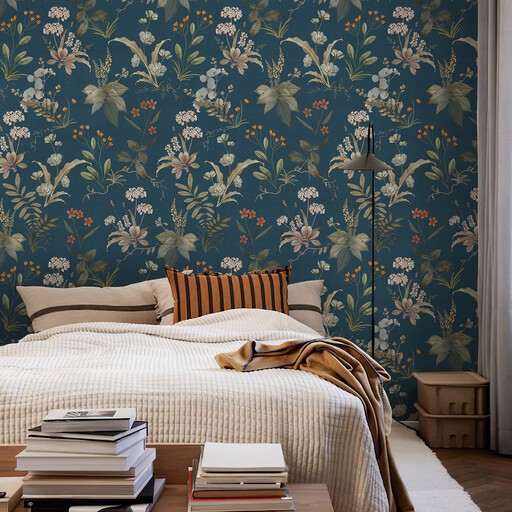
Why It Stands Out: This wallpaper makes a confident statement. The dramatic falling flower design against a dark background creates a sense of depth and sophistication. Unlike busy patterns, the organised layout adds personality without creating visual clutter.
accent wall wallpaper with fewer visible seams.botanical wallpaper design is perfect for creating a focal point.View Murgall Falling Flowers in Blue
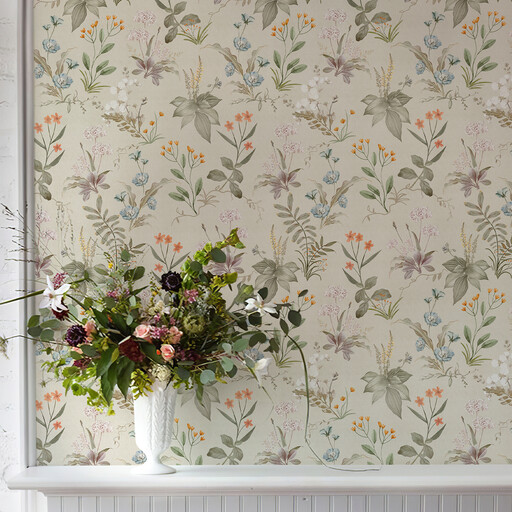
Why It Stands Out: With its light yellow tone and gentle floral details, this wallpaper brings a soft, lived-in charm to a room. It brightens the space while adding a touch of warmth, creating an inviting and cheerful atmosphere.
stick on wallpaper for furniture projects.bedroom feature wall. It is also a great choice for brightening up smaller spaces.View Murgall Falling Flowers in Yellow
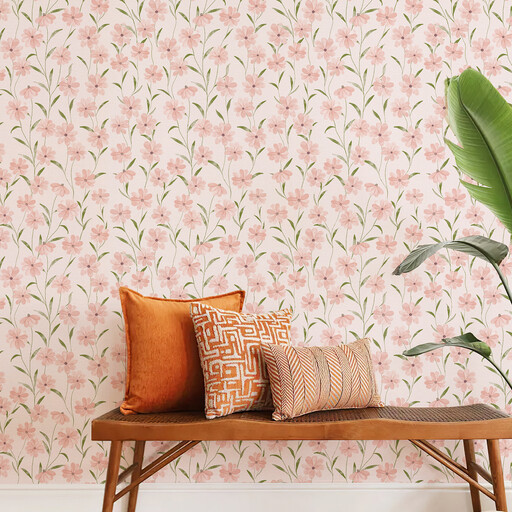
Why It Stands Out: This design offers a more subtle approach to the floral trend. The soft, woven-flower aesthetic on a light blush background with delicate sprigs creates an airy and clean look. It makes walls feel "finished" rather than overtly decorated.
View Murgall Woven Flowers Wallpaper
If these picks are not quite what you had in mind, there is a whole world of floral and botanical designs to discover. From vintage-inspired prints to modern abstract florals, the right pattern is out there.
Explore Our Full Collection of Flower Wall Coverings
Yes, absolutely. Stick on wallpaper for furniture is a popular way to upcycle items like chests of drawers, cabinet doors and bookshelves. Just ensure the surface is smooth, clean and non-porous for the best result. A light sanding and priming on old wooden furniture can make a big difference.
Most removable wallpaper for walls is designed to come off cleanly without damaging the underlying surface, which is why it is so popular with renters. However, the outcome can depend on the wall's condition and the paint underneath. It is always a good idea to test a small, inconspicuous area first if you are concerned.
The key is to work slowly and methodically. Start by peeling back only the top few inches of the backing paper. Align the wallpaper at the top of the wall, then gradually pull down the backing paper while smoothing the wallpaper from the centre outwards using a flat tool like a squeegee or a credit card. This pushes any trapped air out towards the edges.