
24/7 Customer Support

Free returns

Same-day & Next-day Delivery

Quality Guaranteed

Unlock Your Welcome Offers: FREE Delivery | Up to 80% OFF | Free 30-day JoyPlus trial
Download the APP
Flushable toilet wipes can provide a more refreshing alternative to dry toilet paper, whether you are managing everyday hygiene, travelling with children or supporting potty training. However, the word “flushable” should not be treated as a complete guarantee that every wipe will suit every toilet or drainage system.
The right choice depends on more than sheet count. Material, pack format, fragrance, skin comfort and disposal instructions all affect value and convenience. This guide explains the main buying pitfalls and highlights suitable options for different UK households.
Flushable wet wipes are designed to disperse, but they are generally thicker and stronger than conventional toilet tissue. Older plumbing, narrow pipes, septic tanks and shared drainage systems may be more vulnerable to blockages.
Always check the product label for its flushing limit. Some products specify one wipe per flush, while others allow up to two. Do not flush several wipes together, even if the pack describes them as flushable. If your local water company advises placing wipes in a bathroom bin, follow that guidance.
A high water content may feel gentle, but it does not automatically mean a product is fragrance-free, dye-free or suitable for sensitive skin. If you are comparing sensitive skin toilet wipes, inspect the packaging for specific wording such as fragrance-free, alcohol-free, paraben-free or hypoallergenic.
These terms describe product formulation or labelling; they are not a guarantee that irritation cannot occur. Stop using any personal hygiene wipes if redness or discomfort develops.
A family pack toilet wipes may offer a lower cost per sheet, but only if the packs remain sealed and usable. Large tubs or multi-packs can be inconvenient for a small household, while individually packaged travel wipes may cost more per sheet.
Look for resealable lids or seals, and consider splitting your purchase between a bulk home pack and compact travel toilet wipes for handbags, changing bags or holidays.
Look for clear instructions covering the number of wipes per flush, whether the product is suitable for septic systems and how quickly the material disperses. The International Water Services Flushability Group (IWSFG) is one reference point used by some products, but certification or a manufacturer statement does not override local drainage advice.
Never flush paper towels, compressed towels, facial tissues or bathroom cleaning wipes. These products are not interchangeable with flushable wet wipes.
Plant-based flushable wipes may use cellulose or other natural fibres rather than plastic-based materials. However, “plant-based”, “biodegradable” and “plastic-free” describe different attributes:
Read the full product description rather than relying on one front-of-pack phrase. A wipe can be plant-based without being suitable for flushing in every drainage system.
For daily use, compare the total sheet count and pack size rather than only the headline price. Larger sheets may provide more coverage per wipe, while smaller sheets can be more convenient for children or travel.
For potty training wipes, a manageable sheet size and easy-open packaging may matter more than a large total count. For heavy household use, multi-packs reduce the need for frequent reordering, provided storage and resealing are practical.
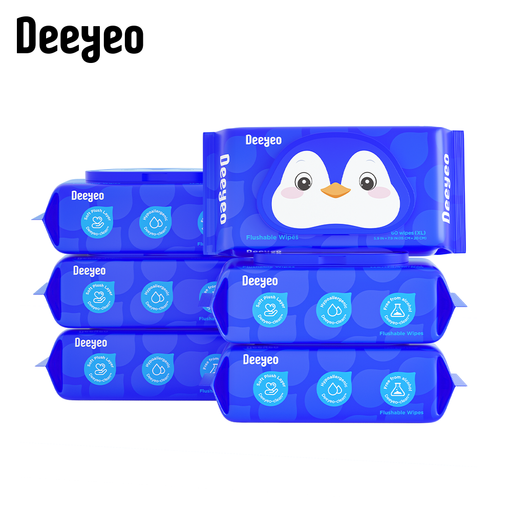
Why This Fits Their Persona: Six packs of 60 sheets provide a substantial home supply for shoppers who want to introduce wet toilet wipes without repeatedly buying small packs.
The pack count is stated clearly, making it easier to compare total supply rather than judging value from a single pack image.
Pure-water positioning and a 360-sheet format suit regular household use; check the pack for current disposal instructions.
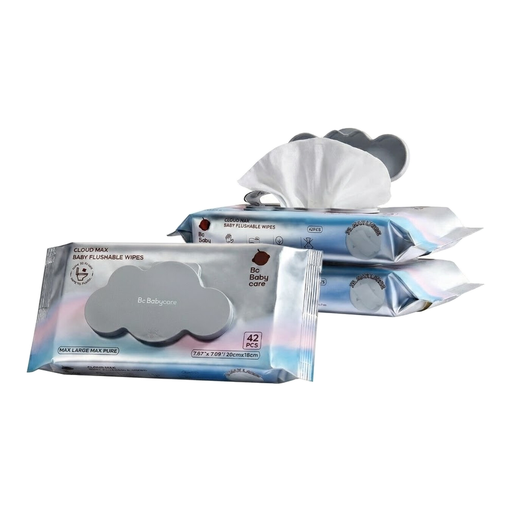
Why This Fits Their Persona: Families prioritising material details may appreciate the stated 100% plant-based fibres, fragrance-free formulation and larger wipe format.
The listing identifies its fibre content and disposal guidance, rather than relying only on broad “natural” or “eco” wording.
The product states IWSFG certification, 99% water and one-wipe-per-flush guidance; it is also described as suitable for potty training.
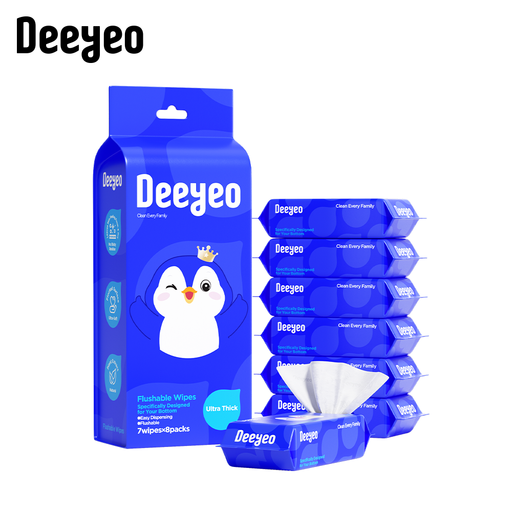
Why This Fits Their Persona: Seven packs of eight sheets are convenient for train journeys, holidays, office drawers, changing bags and other situations where a full-size bathroom pack is impractical.
The smaller pack format reduces the risk of leaving one large packet open and unused for long periods.
Pure-water positioning and portable eight-sheet packs suit short trips and occasional personal hygiene use.
Use wet toilet wipes alongside dry toilet tissue rather than assuming one wipe replaces all paper. Pull out one sheet at a time, reseal the lid or adhesive cover immediately and store packs away from heat and direct sunlight.
For children, keep wipes within reach only when supervised. Potty training wipes should be used externally and disposed of according to the label. If a household has a septic tank or a history of blocked pipes, a bathroom bin may be the more cautious disposal option, even when a product is labelled flushable.
We have compiled a complete, real-time list of products that fully satisfy these strict selection criteria and UK safety regulations.
Some products are described as suitable for septic systems, but compatibility depends on the wipe, the tank and the manufacturer’s instructions. Check the label and follow advice from your septic-tank provider. Flush only the stated quantity, or place used wipes in a bin if advised.
There is no single lifespan for every pack. Once opened, wipes can dry out if the seal is not closed properly. Keep the lid firmly shut and follow the shelf-life or storage information on the packaging. Smaller packs may be more practical for occasional use.
Fragrance-free toilet wipes remove one potential source of irritation, but they cannot guarantee suitability for every person. Check whether the product is also labelled alcohol-free, dye-free or hypoallergenic, and discontinue use if discomfort occurs.