
24/7 Customer Support

Free returns

Same-day & Next-day Delivery

Quality Guaranteed

Unlock Your Welcome Offers: FREE Delivery | Up to 80% OFF | Free 30-day JoyPlus trial
Download the APP
Flushable toilet wipes can make everyday bathroom routines feel more comfortable, particularly for families, travellers and anyone who prefers a wet clean alongside dry toilet tissue. However, not every pack labelled “flushable” is equally suitable for your plumbing, skin or household budget.
The key is to look beyond attractive packaging and fragrance claims. Before buying flushable toilet wipes, check the disposal instructions, fibre composition, ingredients, pack size and the amount recommended per flush.
A wipe may be marketed as flushable while still requiring strict limits. Some products recommend flushing only one wipe at a time, while others state a maximum of two. Thick or heavily textured sheets may disperse more slowly than ordinary toilet paper.
Even a product described as flushable can contribute to blockages if too many sheets are flushed together. UK households with older plumbing, narrow pipework, macerators or septic systems should be especially cautious. Always follow the product label and local wastewater guidance.
Plant-based fibres may reduce the use of conventional plastic in the wipe material, but this does not automatically mean a product is biodegradable in every environment or safe to flush in large quantities. Look for clear information about flushability testing, fibre composition and disposal limits rather than relying on a green-coloured package.
Where a product has a recognised certification, check what the certification covers. For example, the BC Babycare listing states that its wipes are IWSFG certified and achieve 98.5% disintegration in 30 minutes. This is a product specification, not a guarantee that every drainage system will accept unlimited wipes.
Scented wet toilet wipes can provide a fresh aroma, but fragrance is not essential for cleaning. People who experience discomfort with fragranced toiletries may prefer fragrance-free toilet wipes, water-based formulas or wipes without dyes and parabens. Always read the ingredient list and stop using a product if irritation develops.
Search the pack for practical directions, not just the word “flushable”. Useful details include:
Do not flush paper towels, facial tissues, baby wipes or cleaning wipes unless they are specifically labelled for toilet disposal. Even flushable wet wipes should be used sparingly and never treated as a replacement for normal toilet paper.
For buyers seeking plant-based flushable wipes or biodegradable toilet wipes, check whether the wipe base is described as plastic-free, plant-based, biodegradable or simply non-woven. These terms are not interchangeable.
A 100% plant-based fibre claim can be useful when comparing materials, while plastic-free basesheets may appeal to shoppers trying to reduce plastic in bathroom products. However, environmental performance also depends on manufacturing, packaging, disposal and wastewater conditions.
For regular use, consider whether you need:
Products described as suitable for children or potty training should still be used with adult supervision. Wipes are for external use only and should be kept away from young children.
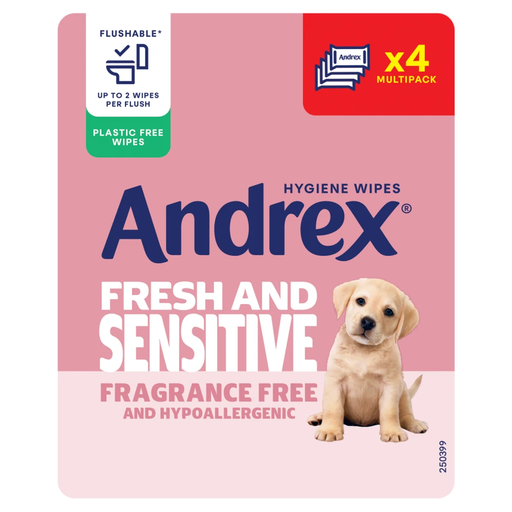
Why This Suits Them: A four-pack format suits households wanting a familiar everyday option without immediately committing to a large bulk bundle. The compact packs can be distributed between bathrooms.
The product listing specifies a fragrance-free, 99% water-based formula and advises flushing no more than two wipes per flush, making the disposal limit clear.
99% water-based formula; plastic-free wipe base; four packs with 30 sheets each.
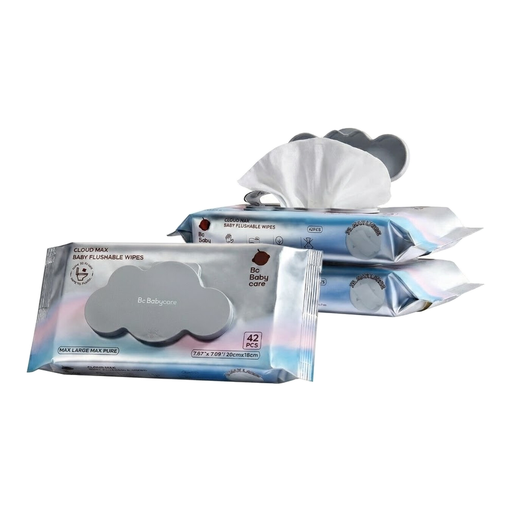
Why This Suits Them: Its extra-large format and fragrance-free composition may suit shoppers prioritising coverage and a simpler routine for adults, children and potty training.
The listing identifies 100% plant-based fibres, 99% water, no fragrance, parabens or dyes and instructs users to flush one wipe at a time.
Extra-large sheets; IWSFG certification stated in the listing; 126 wipes across three packs.
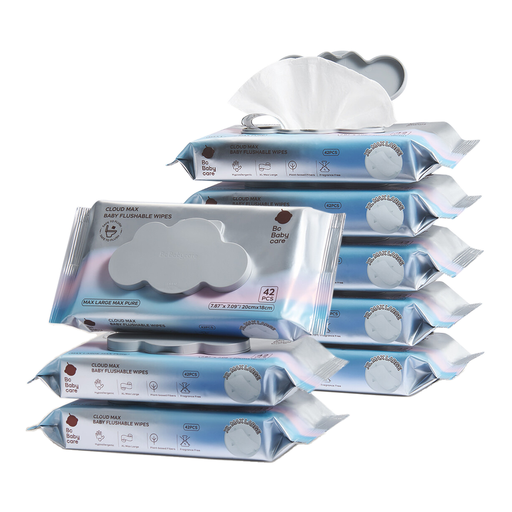
Why This Suits Them: The 336-wipe bulk format is suited to larger families, regular potty training or households that prefer fewer repeat purchases.
The pack provides a stated wipe count and clear one-wipe disposal guidance, helping heavy users plan consumption without ignoring plumbing limitations.
336 total wipes; fragrance-free and dye-free specification; designed for use by children and adults.
Keep the lid or resealable flap closed so the sheets do not dry out. Store packs in a cool, dry place and avoid leaving them beside a radiator. For travel, individually packed or small-format travel toilet wipes are easier to carry, but check whether each packet gives disposal instructions.
For families using potty training wipes, place the pack where a child can reach it only when supervised. Teach children that only the stated number of wipes may be flushed. For feminine intimate wipes, choose products clearly intended for external use and follow their specific directions; they should not be used internally.
We have compiled a complete, real-time list of products that fully satisfy these strict selection criteria and UK safety regulations.
They can be used only when the packaging specifically permits flushing and the stated limit is followed. Flush one sheet at a time where instructed and take extra care with older drains, septic tanks and macerator toilets.
Shelf life varies by product and packaging. After opening, reseal the lid or flap promptly to reduce drying. Check the printed packaging for the manufacturer’s shelf-life guidance and discard sheets that have dried out or changed in appearance.
Fragrance-free products avoid added perfume, which some shoppers prefer when buying for sensitive skin. Nevertheless, ingredients and individual tolerance vary. Use the product externally only and discontinue use if redness or irritation occurs.