
24/7 Customer Support

Free returns

Same-day & Next-day Delivery

Quality Guaranteed

Unlock Your Welcome Offers: FREE Delivery | Up to 80% OFF | Free 30-day JoyPlus trial
Download the APP
Flushable wet toilet wipes can make everyday bathroom hygiene more comfortable, particularly when dry toilet paper is not enough. They are also useful for travel, periods, potty training and quick freshening up when shower facilities are unavailable.
However, packaging claims can be confusing. A product may be labelled “flushable” yet still require careful disposal, while a large pack may not offer good value if the wipes dry out before use. Before buying, check the material, pack format and disposal guidance rather than relying on marketing language alone.
Flushability depends on how quickly a wipe breaks down, how many are flushed and the condition of your household drainage. Older pipework, narrow soil pipes, septic tanks and shared building systems may be more vulnerable to blockages.
Even where a product is labelled flushable, flush only one wipe at a time unless the packaging clearly states otherwise. Some products recommend flushing small amounts because of their thickness. Never flush adult cleansing washcloths, paper towels or ordinary personal hygiene wipes.
A jumbo box can reduce the cost per sheet, but wet wipes lose moisture when the seal is not closed properly. Individual travel packs, resealable lids and flip-top closures can help preserve freshness.
For occasional use, a smaller pack of wet toilet paper may be more practical. Families and carers may prefer larger multi-packs, provided there is enough storage space and the wipes will be used before they dry out.
Terms such as hypoallergenic, plant-based and sensitive skin-friendly describe product positioning, not a promise that every user will tolerate the formula. Fragrance, essential oils, preservatives and botanical extracts may still cause discomfort for some people.
If you have sensitive skin, look for fragrance-free toilet wipes, a short ingredient list and clear external-use instructions. Stop using any wipe if redness, stinging or irritation develops.
Many biodegradable toilet wipes and plant-based flushable wipes use cellulose or other plant-derived fibres. This does not automatically mean they break down as quickly as toilet paper. Look for a named flushability standard or certification where available.
For example, the BC Babycare Cloud Max products describe 100% plant-based fibres, 99% water and IWSFG certification. The supplied product information also states 98.5% disintegration in 30 minutes. This is a product specification, not a guarantee that every UK drainage system will accept unlimited wipes.
Larger sheets may provide more coverage and reduce the number used per visit, which can be useful for potty training or adult care. Thicker materials can feel more substantial but may need stricter flushing precautions.
Compare the total number of sheets with the number of packs. A product containing 336 wipes may suit a busy household, while eight mini packs of seven sheets may be more convenient for handbags, office drawers or travel bags.
For everyday personal hygiene, consider water content, fragrance, alcohol and preservative information. Sensitive skin toilet wipes and hypoallergenic wet wipes may be preferable where fragrance is unwanted.
Do not confuse toilet wipes with full-body cleansing cloths. Adult incontinence wipes are usually larger and stronger, but many are explicitly not flushable and must go into a bin. Likewise, intimate cleansing wipes are designed for external use only and should be used according to their label directions.
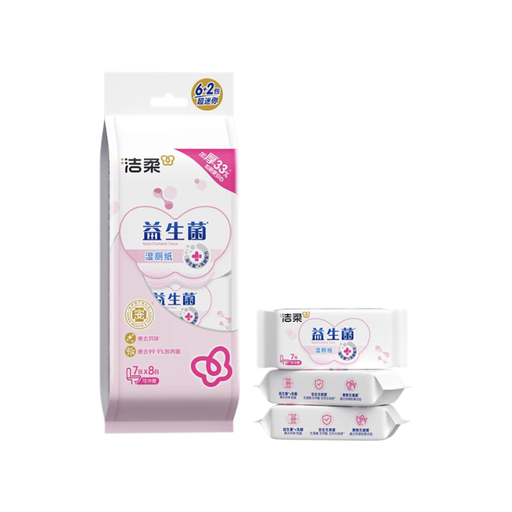
Why This Fits Their Persona: Eight compact packs, with seven wipes per pack, are practical for trying wet toilet paper at home, in the office or during short UK journeys without committing to a large box.
The individually packaged mini format helps limit drying-out, while the listed unscented, alcohol-free and paraben-free formula avoids several common sources of unwanted fragrance or harshness.
56 wipes in total; compact packs; unscented and described as biodegradable and flushable.
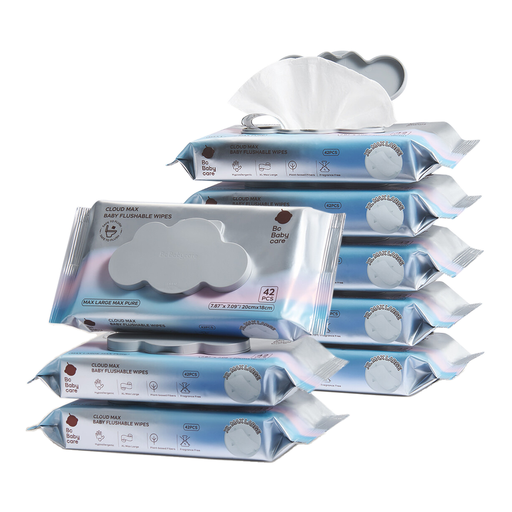
Why This Fits Their Persona: The extra-large format and family-oriented design suit households wanting one product for adults, children and potty training.
The listing provides material, certification and breakdown information rather than relying only on the word “flushable”. It also specifies one wipe per flush.
100% plant-based fibres; fragrance-free, dye-free and paraben-free; 336 wipes per bundle.
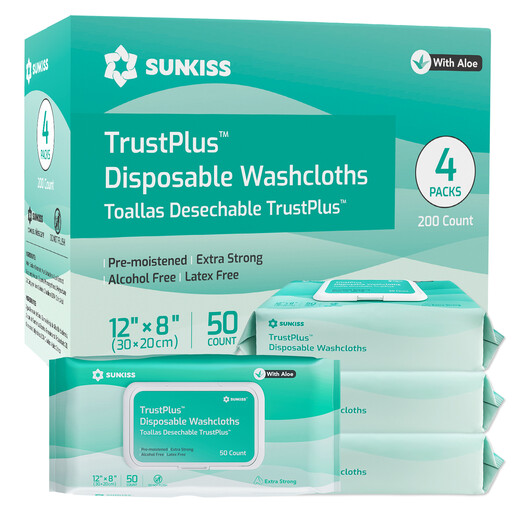
Why This Fits Their Persona: These are intended for elderly care, incontinence support and larger-area cleansing where a toilet wipe may be too small.
It clearly states “do not flush”, removing uncertainty for carers and helping prevent unsuitable wipes entering household drainage.
Extra-large 20 × 30 cm sheets; 200 wipes; fragrance-free, alcohol-free and latex-free formula.
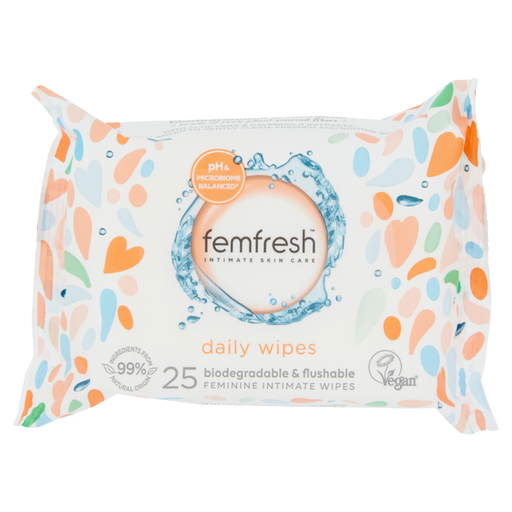
Why This Fits Their Persona: The resealable 25-wipe pouch is easy to carry for travel or period-related freshening when access to water is limited.
The product gives specific disposal guidance: flush a maximum of two wipes at a time. It is also labelled for external use only.
25-wipe resealable pouch; plant-sourced fibres; includes aloe vera and calendula extracts.
We have compiled a complete, real-time list of products that fully satisfy these strict selection criteria and UK safety regulations.
Yes. Even labelled flushable toilet wipes can contribute to blockages if several are flushed together, the drainage is restricted or the product is thicker than standard toilet paper. Follow the pack instructions, flush one at a time where required and check local water or drainage guidance, particularly with septic tanks.
There is no universal lifespan. Reseal the packet immediately, keep it away from heat and direct sunlight, and follow the shelf-life information printed on the packaging. If wipes become dry, change colour or develop an unusual smell, do not use them.
No. Adult incontinence wipes are usually larger and stronger for body cleansing, but many are designed for disposal in a general waste bin. Check the label carefully. A product such as the SUNKISS Trustplus range specifically states that it must not be flushed.