
24/7 Customer Support

Free returns

Same-day & Next-day Delivery

Quality Guaranteed

Unlock Your Welcome Offers: FREE Delivery | Up to 80% OFF | Free 30-day JoyPlus trial
Download the APP
A bottle of Flying Goose Sriracha chilli sauce can be useful for dipping, drizzling, marinading and cooking, but choosing by label colour or chilli percentage alone can lead to an unsuitable purchase. UK shoppers often overlook three practical issues:
The range includes Thai-style chilli sauces, Korean-inspired chilli sauce, creamy alternatives such as Sriracha mayo and distinctive flavours including yuzu, galangal, ginger, kimchi and coconut. The right choice depends on how you plan to use it.
Traditional-style Sriracha usually combines chilli, garlic, sugar, salt and acidity. This makes it suitable for noodles, stir-fries, burgers, chips and a general spicy dipping sauce.
Flavoured versions change the balance:
For Sriracha sauce for noodles or Sriracha sauce for stir-fries, consider whether you need a sauce that blends into the dish or one intended mainly as a finishing drizzle.
Chilli percentages vary considerably across the range. The Curry version lists 61% chilli, the Super Hot version lists 70%, while the Ghost Chilli Sauce lists 45% chilli but is specifically labelled as extremely hot because of the chilli variety used.
This shows why percentage alone is not a reliable heat scale. Products containing ghost chilli should be used sparingly, particularly when serving guests. Start with a small amount, taste the dish and add more gradually.
A moderate option may be more practical for family meals, packed lunches or shared snacks. If you are buying for a restaurant, takeaway or foodservice setting, bottle size, refrigeration instructions and repeat usage are just as important as heat.
Always check the current bottle label before use, as ingredients and packaging information can change. Important points include:
For allergy requirements, use the ingredient list and allergen statement on the packaging as the final reference. A “vegan chilli sauce” label does not automatically mean gluten-free, and “gluten-free” does not mean free from soya or mustard.
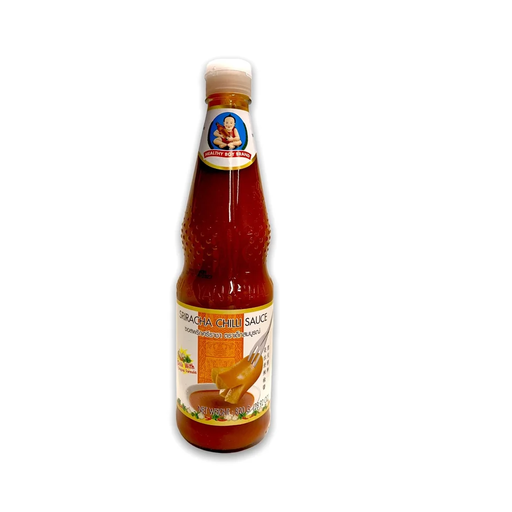
Why This Fits Their Persona: The larger 820g bottle suits regular users who want one versatile Thai chilli sauce for spring rolls, noodles, stir-fries and marinades.
Its stated medium heat is less specialised than ghost chilli or super-hot varieties, making it easier to use across everyday meals.
820g format; listed as gluten-free, vegan and vegetarian-friendly, with no allergens stated.
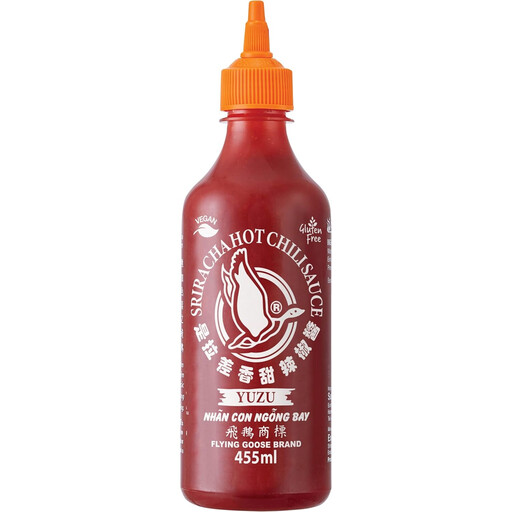
Why This Fits Their Persona: A suitable choice for cooks looking beyond standard heat and wanting citrus character for seafood, sushi, grilled meat and noodles.
The yuzu and lime ingredients clearly distinguish its flavour, so you are not paying for a standard sauce with only a different label colour.
455ml bottle; listed as vegan and gluten-free, with no allergens stated.
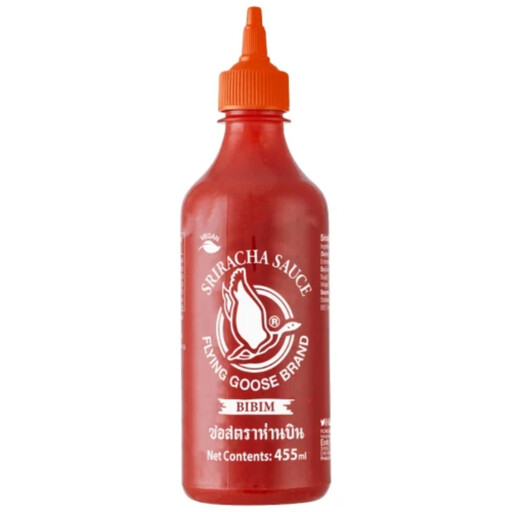
Why This Fits Their Persona: Designed for frequent noodle, rice-bowl and stir-fry cooking, particularly when you want a Korean-inspired savoury profile.
The ingredient list identifies soybean paste, soy sauce and sesame oil, making the savoury direction clear while highlighting its wheat and allergen considerations.
41% chilli; includes soybean paste and soy sauce for added savoury depth. Contains soya, wheat and sesame.
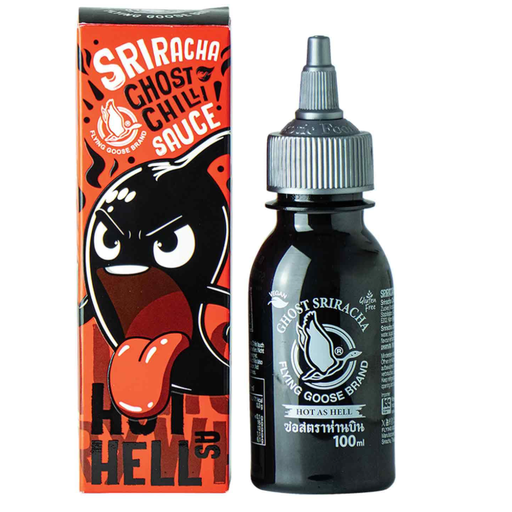
Why This Fits Their Persona: The compact 100ml bottle is practical for adventurous cooks who want concentrated heat for curries, marinades, soups and stir-fries.
The smaller format reduces the risk of leaving a very hot sauce unused, while the product warning makes its heat positioning clear.
100ml concentrated format; suitable for vegetarians and vegans. May contain traces of soya, wheat, peanuts, fish, sesame and mustard.
We have compiled a complete, real-time list of products that fully satisfy these strict selection criteria and UK safety regulations.
Most opened bottles should be refrigerated, tightly closed and used within the period stated on the label. Shake the sauce before serving, especially when it contains herbs, spices or thicker ingredients.
For a controlled heat level, mix Sriracha with mayonnaise, yoghurt or a plant-based alternative. Sriracha mayo is convenient for burgers, sushi, chips and sandwiches, while a plain sauce is more flexible for marinades and cooking. Remember that adding sauce to a hot pan can intensify its aroma and spread heat through the whole dish, so add gradually.
Several varieties are listed as suitable for vegans, including the Yuzu, Ghost, Green, Yellow, Gochujang and Super Hot sauces. However, formulations differ. Check the current ingredients and allergen statement before buying, particularly for flavoured or creamy products.
Some products are listed as gluten-free, including Yuzu, Wasabi, Gochujang, Yellow and Super Hot. The Bibim version contains wheat through soybean paste and soy sauce, so it should not be selected where gluten must be avoided. Always verify the label for the specific bottle.
The supplied product information commonly recommends refrigeration and consumption within eight weeks or 60 days, depending on the variety. Follow the instruction printed on your bottle and check the best-before or expiry information before use.