
24/7 Customer Support

Free returns

Same-day & Next-day Delivery

Quality Guaranteed

Unlock Your Welcome Offers: FREE Delivery | Up to 80% OFF | Free 30-day JoyPlus trial
Download the APP
A foaming facial cleanser can leave skin feeling fresh and comfortable, but the wrong formula may create tightness, irritation or a cycle of over-cleansing. Rich foam alone does not prove that a product is gentle, effective or suitable for daily use.
For shoppers in the UK, three common buying traps are worth avoiding:
A gentle facial cleanser should remove sweat, surface oil and everyday dirt without leaving persistent tightness. Amino-acid surfactants, coco-betaine and similar mild cleansing agents are often considered when looking for a more comfortable formula, but individual tolerance varies.
If your skin feels squeaky, hot or unusually dry after washing, the product may be too cleansing for your routine. A non-drying face wash should leave the skin clean without an uncomfortable “stripped” sensation.
For dry or combination skin, look for supporting ingredients such as glycerin, sodium hyaluronate, panthenol, ceramides or squalane. These do not turn a cleanser into a moisturiser, since the product is rinsed away, but they can contribute to a softer post-wash feel.
A low-pH facial cleanser is commonly formulated around the mildly acidic range associated with healthy skin. Some products state an approximate pH, while others do not publish a figure. Treat “pH-balanced” as a description to verify on the product information rather than an automatic guarantee of suitability.
A lower-pH cleansing foam may appeal to people with sensitive, dry or blemish-prone skin, particularly when combined with mild surfactants. However, pH is only one factor. The complete surfactant system, fragrance content and how often you wash all affect comfort.
For morning cleansing or removing light daily residue, a daily facial cleanser with a soft lather may be sufficient. If you wear sunscreen or make-up, a single cleansing foam may not remove every layer. Consider a separate first cleanse where necessary, followed by the facial wash.
Those seeking a pore-cleansing foam should be cautious with aggressive rubbing and frequent washing. Products containing salicylic acid may suit some oily or congested routines, but they can feel too strong when combined with other exfoliating products. Follow the label and stop using the product if irritation develops.
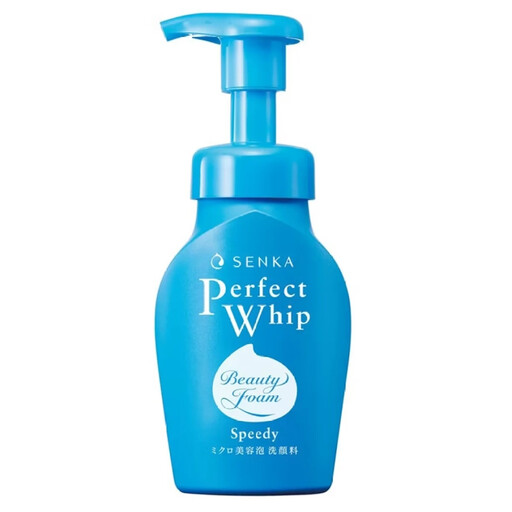
Why This Fits Their Persona: A 150ml creamy cleansing foam is a practical starting point for shoppers building a simple morning-and-evening routine.
The product description identifies a mild, non-drying formula and moisturising ingredients rather than relying on foam volume alone.
Creamy lather; includes glycerin, sorbitol and hyaluronic-acid derivatives. The listed formula contains fragrance, so sensitive users should check tolerance.
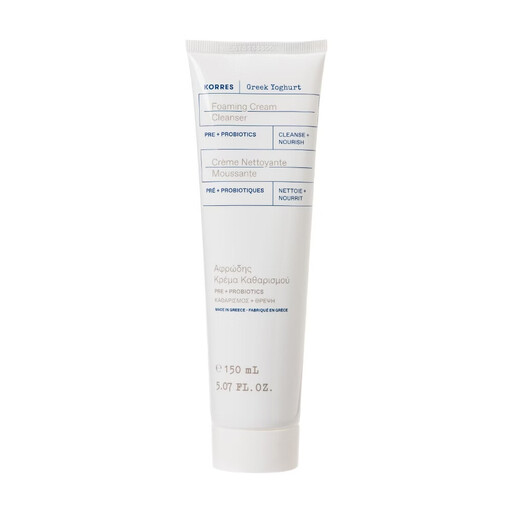
Why This Fits Their Persona: Its cream-to-foam format suits shoppers who value a more sensory cleansing step alongside practical daily cleansing.
The soap-free cream-to-foam format is designed around comfort, rather than equating a harsh, squeaky finish with effective cleansing.
Contains glycerin, milk proteins and yoghurt-related ingredients; the product information states that it can be used on the face and eye area. It contains fragrance.
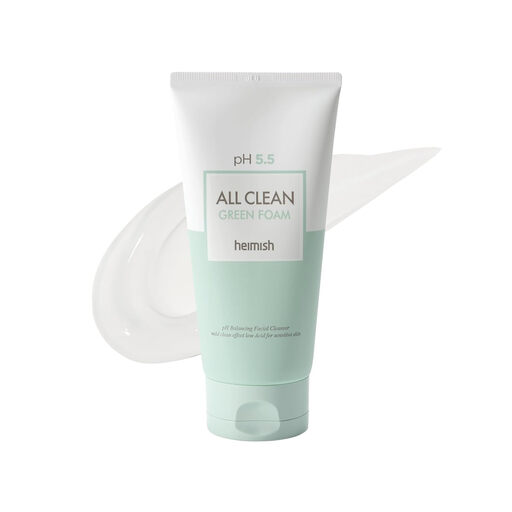
Why This Fits Their Persona: A low-pH Korean foaming cleanser may appeal to people who want a straightforward second cleanse after sunscreen or make-up removal.
The product information gives an approximate pH of 5.5 and lists plant-derived cleansing agents, helping shoppers assess more than the appearance of the lather.
Gel-to-foam texture; contains glycerin, centella asiatica and witch hazel water; listed as free from artificial fragrance and ethanol.
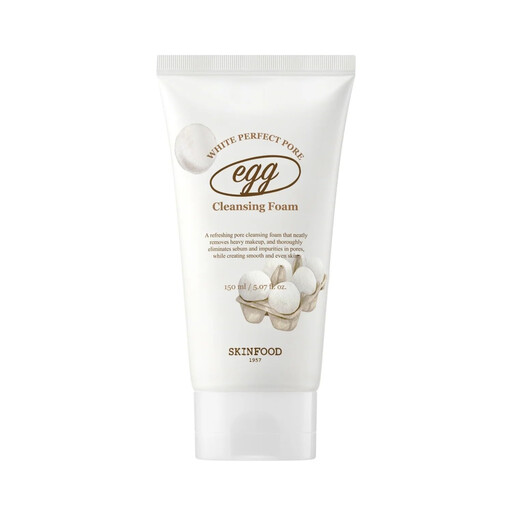
Why This Fits Their Persona: Suitable for shoppers specifically comparing pore-focused options for oilier or combination areas.
It identifies salicylic acid in the ingredient list, making the pore-focused positioning easier to assess. This is not a reason to scrub harder or wash more often.
Fine foaming texture; includes salicylic acid, glycerin, centella and plant oils. The listing advises avoiding damaged or extremely sensitive skin.
Check the product directions before using it around the eyes. Patch testing can be sensible for sensitive or allergy-prone skin, but it does not guarantee that irritation will not occur. Discontinue use if redness, itching, swelling or persistent discomfort develops.
It can be, provided the formula is mild and does not leave persistent tightness. Look for hydrating ingredients such as glycerin or hyaluronic acid, use lukewarm water and avoid washing repeatedly throughout the day.
Many formulas can remove light residue, excess oil and everyday impurities. Waterproof make-up and some high-protection sunscreens may need a separate first cleanse. Avoid assuming that “deep cleansing” on the label means every product will remove every type of cosmetic.
A 100–150ml tube may last several weeks or longer, depending on how much you use and whether you cleanse once or twice daily. A small, well-lathered amount is generally sufficient. Store it closed in a cool, dry place and follow the packaging guidance for expiry and batch information.