What matters when choosing?
Start with the dough load your recipe requires, then check whether the cleaning method and storage arrangement will work for everyone who uses the machine.
| Concern |
What to check |
Who this matters to |
| Dough capacity |
Compare your batch with the exact model’s declared dough limit in kg and check which dough tool that limit assumes. |
I make several trays at once and need a stated dough limit rather than a bowl size to plan each batch; around 44% of consumers put batch capacity first. |
| Cleaning and handover |
Check care instructions for each supplied food-contact part and agree who cleans, dries and stores it between uses. |
When another person needs the mixer after me, I want a cleaning routine we can both follow; roughly 33% of consumers make that handover their primary concern. |
| Shared space and ownership |
Measure the allocated bench and storage space, account for all supplied tools, and check the exact model’s support terms. |
I need the machine and its parts to have a practical place between sessions, with ownership arrangements that suit regular shared use; about 23% of consumers prioritise that concern. |
Joybuy mixers for this task
These stand mixers relate to preparing focaccia dough in a shared kitchen. Compare the exact model’s dough instructions and the care requirements for its supplied parts before assigning it to a particular batch or handover routine.
 No image available
Kenwood Chef Baker KVC65.001WH, White
Consider this model if weighing ingredients as part of a shared preparation routine matters to you. Check its dough-load instructions against your focaccia batch and confirm how each supplied part should be cleaned.
View on Joybuy
 No image available
Kenwood Prospero+ KHC29.A0SI, Silver, 4.3 L
Consider this model where the allocated mixer space is limited, but check its dimensions before assigning a bench position. Its product name specifies a 4.3 L bowl, 1000 W and three bowl tools; confirm the dough-limit wording in the model instructions before planning a batch.
View on Joybuy
 No image available
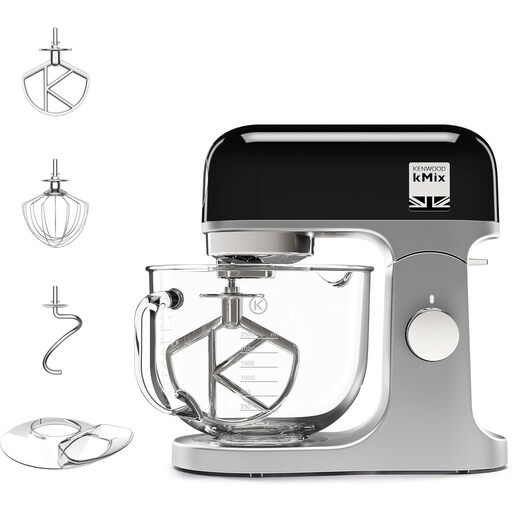
Kenwood kMix KMX754BK, Black, 5 L
This is a conventional dough-hook option if that mixing method suits the kitchen’s users. The product name specifies a 5 L bowl, 1000 W, a K-beater, whisk and dough hook; establish the model’s dough limit separately from its bowl volume.
View on Joybuy
 No image available
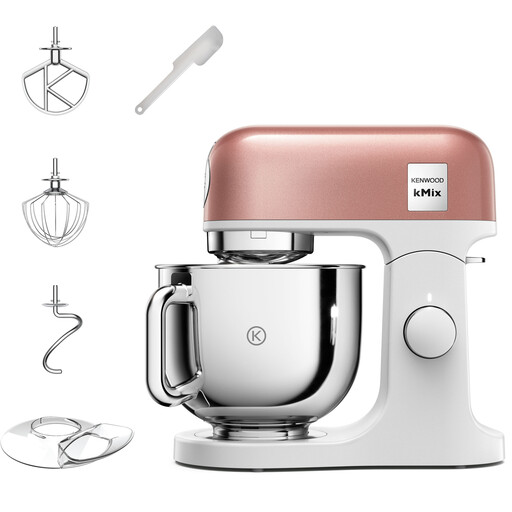
Kenwood kMix Editions KMX760API, Apricot Pink
For focaccia batches, check whether the model’s stated limit for stiff yeast dough applies to your recipe. Confirm the cleaning instructions for the exact bowl and tools before setting a shared handover routine.
View on Joybuy
 No image available
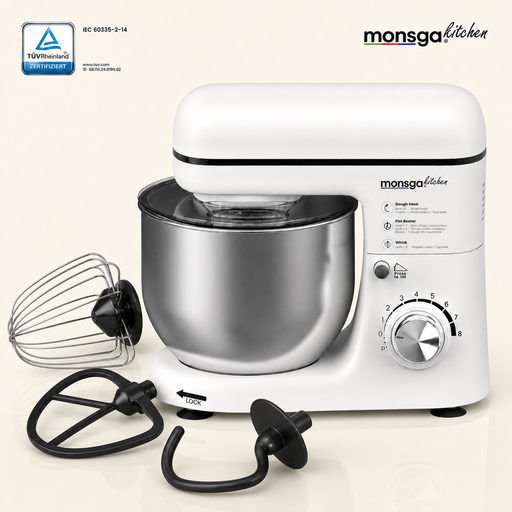
MONSGA SM100, Cream White, 5.0 L
Consider this model if its supplied dough hook and splash guard fit the kitchen’s mixing and handover routine. The product name specifies a 5.0 L stainless-steel bowl, eight speed settings and 1000 W peak power; check the exact dough-load limit and care instructions before use.
View on Joybuy
Common questions
Does sharing a kitchen automatically make it a food business?
No: sharing a kitchen alone does not establish how it operates. If it is a food business, GOV.UK says it must be able to show that cleaning is effective through a cleaning schedule and records. Confirm the arrangement with the kitchen operator rather than assuming those business requirements apply to a private domestic setup.
Can I choose a focaccia mixer by bowl size?
No. Check a dough-capacity figure for the exact model where one is stated: Kenwood gives 2.42 kg for the Chef XL KVL4100W and 2.56 kg for the Titanium Chef Baker XL KVL85.004SI, while Ankarsrum UK states up to 5 kg per batch for the Assistent Original. Those manufacturer figures are not interchangeable with bowl litres or a measured result for your recipe.
Can the whole mixer go in the dishwasher between users?
No. KitchenAid’s UK cleaning guidance says not to put the electrical mixer itself in a dishwasher or soapy water. Check the exact model’s instructions to see which removable bowls, guards and tools can be washed that way.
What should a food-business kitchen agree before sharing a mixer?
Agree who cleans and dries the mixer and its tools, when that happens, and where the parts are stored. GOV.UK calls for an effective cleaning schedule and records for food businesses; the kitchen’s process should also account for ingredients containing allergens and other contamination risks between users.


