
24/7 Customer Support

Free returns

Same-day & Next-day Delivery

Quality Guaranteed

Unlock Your Welcome Offers: FREE Delivery | Up to 80% OFF | Free 30-day JoyPlus trial
Download the APP
Long workdays, revision sessions and early training starts can make focus and energy supplements appealing. However, a colourful label does not necessarily mean a suitable formula. The useful comparison is not simply “which product sounds more powerful?” but whether its ingredients, caffeine level, format and dosage match your routine.
This guide from the Joybuy Product Recommendation Officer focuses on practical checks for UK shoppers, helping you compare cognitive support supplements, energy products and brain health supplements with less guesswork.
Some nootropics for focus contain a large number of botanical extracts, vitamins and amino acids, but provide little information about the amount of each active ingredient. Without clear quantities, it is difficult to compare value or avoid unnecessary overlap with other supplements.
Look for a transparent nutrition panel showing serving size, active ingredients and daily dosage. A simpler product, such as L-Tyrosine capsules with a stated 500mg or 750mg per capsule, may be easier to assess than a blend where most quantities are hidden.
Caffeine can come from coffee, tea, energy drinks, pre-workout products and cognitive energy drinks. A product may appear low in sugar but still contain a substantial stimulant dose. For context, fourfive Hydro Plus lists 80mg caffeine per serving, while Neutonic lists 120mg per 330ml can and HALO BOOST lists 150mg per serving.
Count all daily sources rather than assessing one product in isolation. UK guidance commonly advises healthy adults to keep total caffeine intake within 400mg per day, with a lower limit of 200mg during pregnancy. People who are caffeine-sensitive, pregnant, breastfeeding, taking medication or managing a medical condition should seek appropriate professional advice before use.
Ingredients such as Lion’s Mane, Ginkgo Biloba, Bacopa and Rhodiola appear in many mental focus supplements. Their presence does not guarantee a particular result for every user. Marketing language may also describe an ingredient as “research-backed” without explaining the product’s exact formulation.
Treat these phrases as prompts to inspect the label, not as proof of a guaranteed outcome. Supplements should support, rather than replace, adequate sleep, regular meals, hydration and a balanced lifestyle.
Compare the actual amount per serving rather than the number of ingredients. For example:
Do not automatically combine several products containing the same vitamins, amino acids or stimulants.
Capsules suit shoppers who want a measured serving without preparation. Gummies may be easier to take, but check sweeteners and serving size. Powders are useful for hydration and energy during commuting, workouts or long days, while functional coffee can replace part of a normal morning routine.
Consider whether you will realistically use the product consistently. A convenient format with a clearly stated dose may offer better practical value than a more complex product that remains unused.
For vegan brain supplements, check the capsule shell, sweeteners and any animal-derived ingredients. Nutrigums Mind & Focus Gummies use pectin rather than gelatine, while several capsule products use either hypromellose or gelatine.
Also check:
Always read the supplied UK product label before use, as formulations and instructions can change.
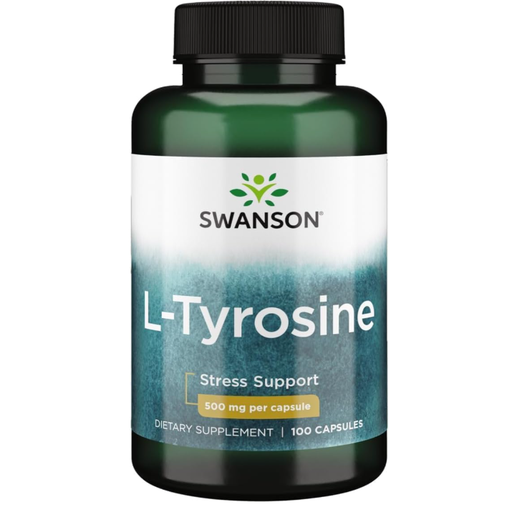
Why This Fits Their Persona: A straightforward capsule format for adults who want to compare a single amino acid without paying for a multi-ingredient blend.
The label states 500mg of L-Tyrosine per capsule and a once-daily direction, making the serving easier to track.
100 capsules, 500mg per capsule and no listed caffeine.
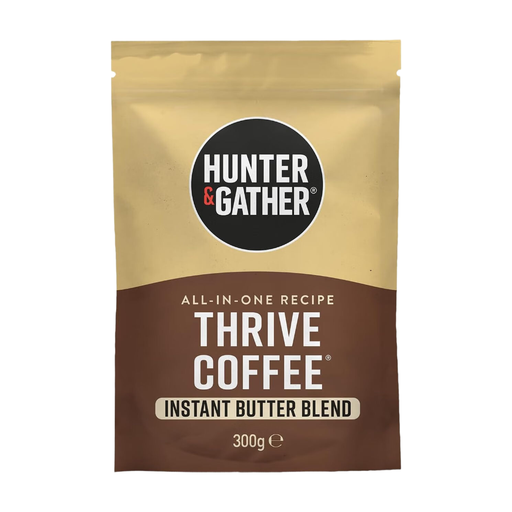
Why This Fits Their Persona: Suitable for coffee drinkers who prefer a morning functional coffee with organic ingredients and no added sugar.
The serving guidance and caffeine quantity are stated: approximately 5g provides 120mg caffeine, so it can be counted alongside other drinks.
300g tub; organic instant coffee, Lion’s Mane, Cordyceps, Chaga and Ashwagandha listed.
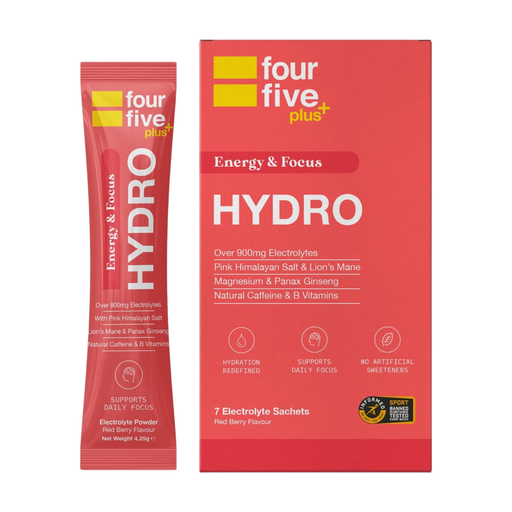
Why This Fits Their Persona: A practical option for gym sessions, outdoor activity or busy days when hydration and energy are considered together.
It clearly states 80mg caffeine, one maximum daily scoop and a mixing volume of 300–500ml.
Over 900mg listed electrolytes, zero added sugar and seven individual sachets.
We have compiled a complete, real-time list of products that fully satisfy these strict selection criteria and UK safety regulations.
Start with the active dose, caffeine content, serving size and dietary suitability. Then compare the number of servings, format and total cost. A single-ingredient capsule is easier to evaluate, while a multi-ingredient drink may combine focus, hydration and energy features.
Shelf life varies by product and batch. Capsules and gummies should be stored according to the label and kept away from heat and moisture. Powders should be resealed after opening. Check the best-before date before buying and follow any “use within” instruction after opening.
A sugar-free product may reduce sugar and calorie intake, but it can still contain caffeine or sweeteners. Check the can’s caffeine amount, count other daily sources and follow the stated serving limit. If you are sensitive to caffeine or have a relevant health condition, seek professional advice before making it part of your routine.