
24/7 全天候客户支持

免费退货

当日/次日达

品质保障

开启新人专享福利: 全场免邮 | 低至 2 折 | 免费试用 30 天 JoyPlus 会员
下载 Joybuy
A foldable shopping trolley can make supermarket visits, market trips and daily errands easier to manage. However, a low price or impressive-looking specification does not always indicate a practical purchase. The right model needs to suit your route, storage space, shopping habits and the weight you usually carry.
Before choosing a folding shopping trolley, watch for three common traps:
Capacity is usually expressed in litres, while the load limit is given in kilograms. These are different measurements.
A large-capacity shopping trolley is useful for weekly grocery shopping, but the frame, wheels and base must also support the intended load. Bottles, tins and household supplies become heavy quickly. Check whether the seller provides:
For everyday supermarket shopping, a wheeled shopping trolley with a manageable load limit may be more convenient than an oversized outdoor wagon. For camping equipment, gardening supplies or bulky parcels, a heavy-duty shopping trolley or utility wagon may be more suitable.
Wheel design affects how easily the trolley turns, crosses kerbs and moves through supermarket aisles. Small wheels can be convenient indoors, while larger wheels may cope more effectively with paving and grass.
A stair-climbing shopping trolley normally uses a multi-wheel arrangement designed to assist with individual steps. It should still be used carefully, particularly when carrying glass bottles or unevenly distributed groceries. Look for:
If you need an elderly-friendly grocery cart, an ergonomic handle and controlled manoeuvrability can be more important than maximum capacity. The trolley should feel stable when pulled and should not require excessive wrist twisting.
A folding shopping trolley may use aluminium alloy, carbon steel, steel tubing, blended fabric or Oxford fabric. Aluminium can help reduce overall weight, while steel frames are commonly selected for sturdiness. The fabric basket should have reinforced seams and a base that remains stable when loaded.
The folding mechanism deserves close attention. Before loading, confirm that the frame is fully open and that all locking points are engaged. Keep fingers away from hinges during folding and unfolding. A model that folds quickly is only useful if it remains secure during normal use.
For outdoor transport, an outdoor utility wagon or foldable camping wagon may offer a wider base and larger wheels. These designs are generally less suited to narrow supermarket aisles, so consider where you will use the product most often.
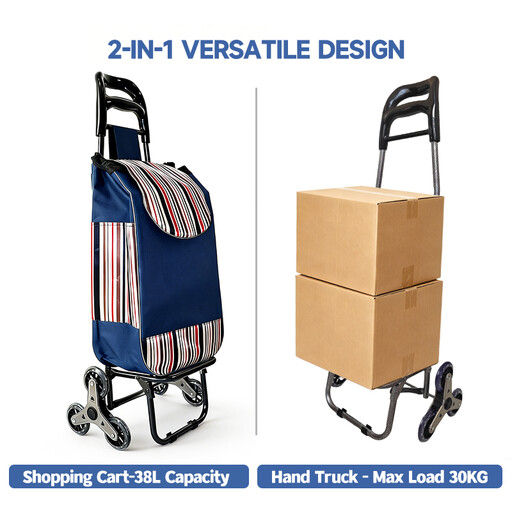
Why This Fits Their Persona: Its compact collapsible format is suited to shoppers who need a straightforward trolley for groceries and home use without storing a full-size wagon.
The product description identifies an ergonomic handle, compact folding design and stair-climbing format, making the key use case clearer than a generic capacity claim.
Compact collapsible design; ergonomic handle; intended for grocery and home use.
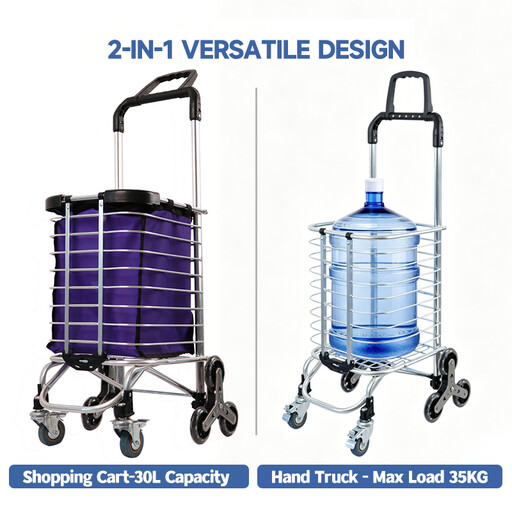
Why This Fits Their Persona: The adjustable handle and aluminium alloy frame appeal to shoppers who prioritise handling comfort, portability and a more structured frame for regular supermarket trips.
It presents frame material and handle adjustment as specific features, rather than relying only on broad claims about strength or convenience.
Aluminium alloy frame; adjustable handle; foldable construction.
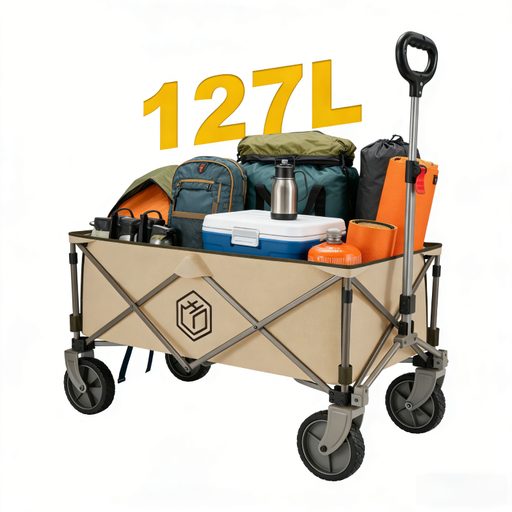
Why This Fits Their Persona: Its 127-litre interior and stated 200 kg maximum load capacity make it suited to bulky equipment, outdoor supplies, moving items and larger grocery runs.
The capacity and load figures are stated separately, with safety guidance to distribute weight evenly and use the wagon on stable ground.
127L capacity; 200kg stated maximum load; foldable design; dual brake 360° swivel wheels.
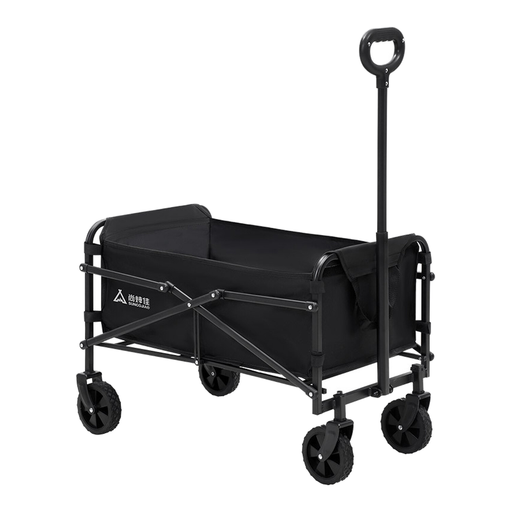
Why This Fits Their Persona: Campers, families and market users may value the 170-litre cargo capacity, foldable format and multi-directional wheels for transporting bulky items.
The listing specifies a 100 kg load capacity, 170L cargo capacity and approximately 4.8 kg product weight, helping shoppers compare volume, weight and carrying limits.
170L cargo capacity; 100kg stated load limit; 600D Oxford fabric; multi-directional wheels.
We have compiled a complete, real-time list of products that fully satisfy these strict selection criteria and UK safety regulations.
Use this short checklist before paying:
Do not use a shopping trolley to carry children or as a seat unless the product specifically states that it is designed for that purpose. Distribute heavy items evenly and keep the trolley below its stated capacity.
Some models use stair-climbing wheel arrangements that can assist with individual steps. They should still be handled slowly and checked against the manufacturer’s safety instructions. A fully loaded trolley may be difficult to control on steep or uneven stairs, so a lift or ramp may be safer where available.
Service life depends on load frequency, surface conditions, storage and maintenance. Avoid exceeding the stated limit, wipe away dirt and moisture, and store the trolley dry. Regularly inspect wheels, fabric seams, screws and locking points. Early wear in these areas can affect safe operation.
A manual shopping trolley has no fuel or charging cost. Ongoing expenses may include replacement wheels, fasteners or a damaged fabric bag. Choosing a model with the right load limit and using it on appropriate surfaces can help reduce unnecessary wear.