
24/7 Customer Support

Free returns

Same-day & Next-day Delivery

Quality Guaranteed

Unlock Your Welcome Offers: FREE Delivery | Up to 80% OFF | Free 30-day JoyPlus trial
Download the APP
A foldable waterproof mat can solve several everyday problems: creating a cushioned baby play area, keeping picnic food away from damp grass or giving the family a cleaner surface at the beach or campsite. However, products that look similar online can differ considerably in padding, water resistance, size and portability.
The main challenge is identifying which features are genuinely useful rather than paying for a long list of vague promises. Before choosing a mat, watch for these common buying pitfalls.
“Waterproof” and “water-resistant” are not interchangeable. A water-resistant surface may deal with spills and light moisture, but it may not prevent prolonged contact with wet grass or standing water. Check the product description for the construction of the base and whether seams, folds or edges could allow moisture through.
For indoor play, a wipe-clean water-resistant coating may be sufficient. For beaches, damp parks or camping, look for a moisture-repellent underside and follow the care instructions carefully.
A large family picnic blanket may offer generous coverage but become awkward to carry or store. Always compare both the unfolded and folded dimensions. A mat that fits the garden may not fit comfortably in a car boot, pram basket or rucksack.
A compact outdoor ground mat is practical for short trips, while a larger mat may be more suitable for several people, children’s play or extended outdoor gatherings.
Foam thickness can improve comfort, but the surface also needs to remain reasonably stable during crawling, rolling or walking. An anti-slip or non-slip crawling mat may help reduce movement on smooth flooring, but it should still be placed on a clean, level surface.
For young children, check the stated age guidance, supervise use and inspect the mat regularly for splits, peeling layers or damage.
Materials such as XPE foam can provide a lightweight cushioned surface for crawling, sitting and play. A 1.5cm-thick foam layer, for example, offers more padding than a thin fabric blanket while remaining easier to fold than many heavy floor mats.
For picnic use, layered construction is worth considering. A soft top layer can improve comfort, foam or sponge padding can provide cushioning and an aluminium-film or water-repellent base can help reduce contact with damp ground. These layers do not make a mat indestructible, so avoid sharp stones, twigs and rough surfaces that may puncture or tear the underside.
Measure the intended area before ordering. A baby play mat measuring 177 x 146cm covers approximately 2.57m², giving children room to crawl and play indoors or outside. A 300 x 200cm picnic mat, by comparison, is designed for multiple people and shared meals.
For a foldable picnic blanket, also check the folded measurements and weight. A lighter design may be easier for spontaneous trips, while a heavier multi-layer blanket may offer more space and cushioning.
A wipe-clean coating is useful for baby food, muddy hands and drink spills. It is not the same as being machine washable. If a product is described as washable, read whether this means the entire item can go in a washing machine or whether only the surface can be cleaned.
Allow mats to dry fully before folding them away. This helps reduce lingering damp smells and prevents moisture being stored between layers. Follow the supplied manual, particularly where the manufacturer advises against frequent machine washing.
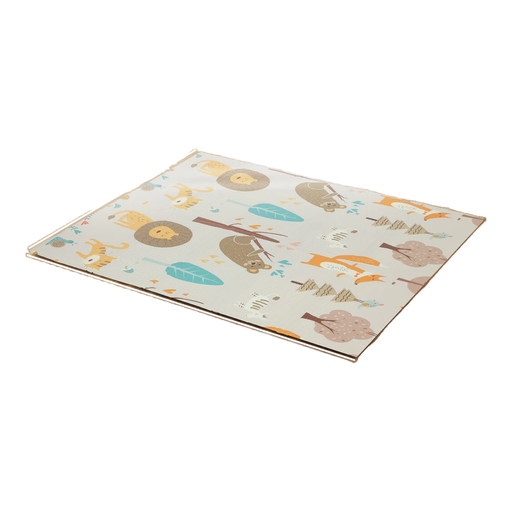
Why This Fits Their Persona: Families wanting one cushioned surface for nursery play, tummy time, early crawling and occasional outdoor use can use its 177 x 146cm format in a range of spaces.
Its stated 1.5cm XPE foam padding, foldable design and wipe-clean water-resistant surface address the need for cushioning, storage and everyday spill management.
Reversible animal designs; 2.57m² coverage; stated approved age of 0+ and recommended age of 0.5–6 years.
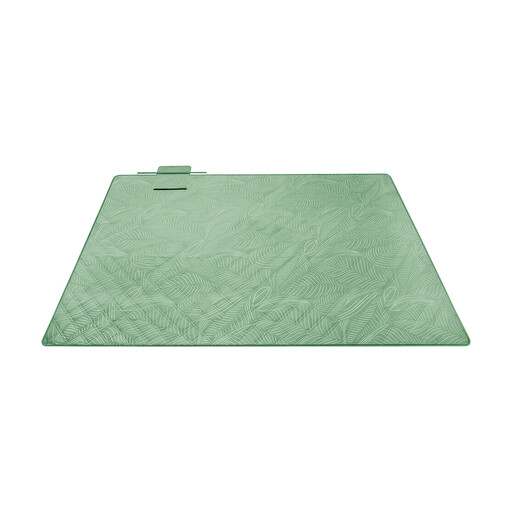
Why This Fits Their Persona: Couples, families and groups seeking a spacious surface for parks, beaches or outdoor gatherings may value its 300 x 200cm unfolded size.
The product specifies a water-repellent base, four ground pegs and a foldable format, helping address moisture, wind and transport concerns.
Four-layer construction; folds to approximately 42 x 19 x 19cm; includes a handle, strap and pegs.
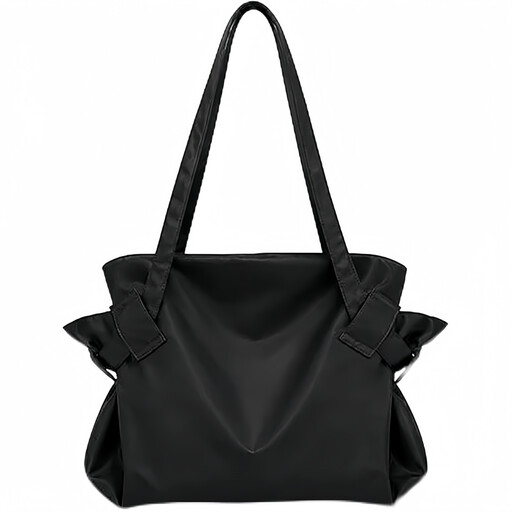
Why This Fits Their Persona: Commuters, campers and travellers who prefer carrying one multipurpose item can switch between a tote bag and a 100cm round ground mat.
Its stated waterproof material and compact 30 x 20cm folded size make the function and portability clearer than a blanket with unspecified storage dimensions.
Converts between tote and mat; built-in pockets; designed for picnics, camping, travel and everyday carrying.
We have compiled a complete, real-time list of products that fully satisfy these strict selection criteria and UK safety regulations.
It can provide a cushioned, wipe-clean surface for crawling and floor play, provided it is used according to the manufacturer’s age guidance. A mat should be placed on a stable, level surface and checked for damage. It should not replace active supervision.
Lifespan depends on frequency of use, storage conditions and the surface underneath. Folding a mat while wet, dragging it over rough ground or exposing it to sharp objects may shorten its usable life. Clean it according to the instructions and store it dry and away from excessive heat.
Often, yes. A portable camping mat may prioritise compact packing, ground protection or insulation, whereas a washable picnic blanket may focus on seating space and easy cleaning. Compare padding, folded dimensions, base material and the intended surface before buying.