
24/7 Customer Support

Free returns

Same-day & Next-day Delivery

Quality Guaranteed

Unlock Your Welcome Offers: FREE Delivery | Up to 80% OFF | Free 30-day JoyPlus trial
Download the APP
A folding bike can transform your daily commute in the UK, turning a stressful journey into a seamless blend of cycling and public transport. The ability to fold your bike and carry it onto a train, pop it in a car boot or tuck it under your office desk is a game-changer for urban living. However, the market is filled with models that promise convenience but deliver frustration.
As a Joybuy Product Recommendation Officer, my role is to help you see past the marketing jargon. Many buyers find themselves with a bike that is too heavy, too awkward to fold or simply uncomfortable to ride. Before you invest, let's look at the common pitfalls to avoid.
To ensure you get a bike that genuinely enhances your commute, focus on a few core specifications. These objective metrics are far more important than hyped-up marketing claims.
The primary benefit of a folding bike is its portability. Pay close attention to the folded dimensions (Length x Width x Height). A truly compact bike for commuting should fold down to a size that is easy to manage. Look for dimensions roughly under 85cm x 70cm x 40cm, which is a practical size for most train luggage racks and small storage spaces. Equally important is the folding mechanism itself. It should be intuitive, with robust and secure latches that can be operated quickly without tools.
The material of the frame dictates the bike's weight, durability and ride feel. Don't just chase the lowest number on the scale.
The 20 inch folding bike has become the industry standard for good reason. This wheel size provides a good balance between maintaining a compact fold and offering a stable, efficient ride that can handle potholes on city streets.
For gearing, a system with at least 6 speeds is highly recommended for varied urban terrain. A reliable Shimano 6-speed or 7-speed drivetrain provides enough range to tackle moderate hills without being overly complex, making it a dependable choice for a commuter folding bike.
Based on these practical criteria, we have matched several models to different user needs. These recommendations focus on objective features that solve the common problems faced by UK buyers.
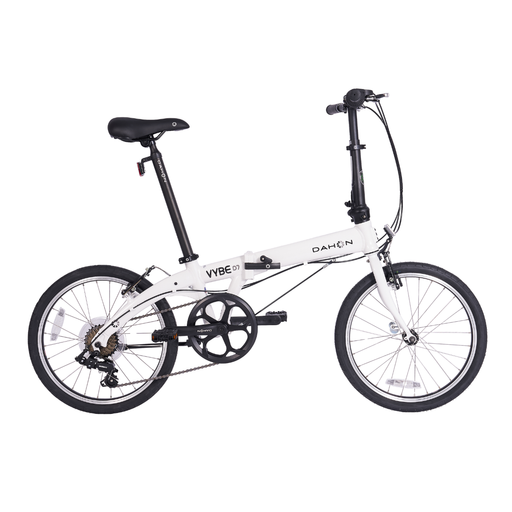
Why This Fits Their Persona: This Dahon folding bike is built for the practicalities of UK commuting. It arrives ready for year-round use with mudguards and a rear rack already fitted, saving you the hassle and cost of adding them later.
It sidesteps the "Featherlight Fallacy" by providing a realistic weight (11.98 kg) that includes essential commuting accessories. The proven Dahon folding mechanism avoids the "Awkward Fold" pitfall.
Commute-Ready: Includes both mudguards and a rear rack. Reliable Drivetrain: Features a Shimano Tourney 7-speed system suitable for city gradients.
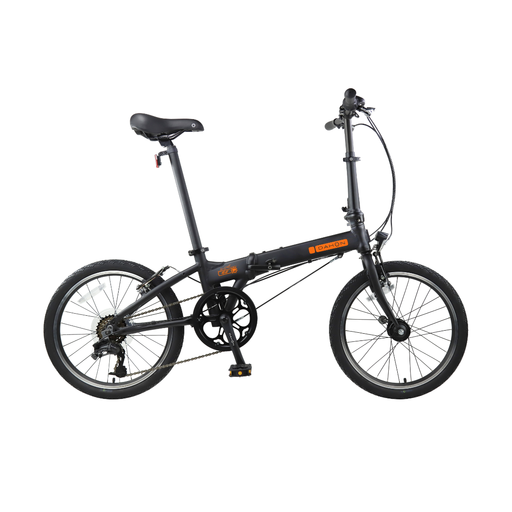
Why This Fits Their Persona: For those living in small flats or needing to carry their bike frequently, this model's low weight and compact folded size are its main strengths. It is ideal for navigating stairs and busy public transport.
This bike's specifications directly counter the "Awkward Fold" trap. Its verifiable folded dimensions (65 x 34 x 82 cm) and low weight (11.54 kg) are its core selling points, not an afterthought.
Exceptional Portability: One of the lighter and more compact options available. Fully Featured: Despite its low weight, it still includes a rack and mudguards for everyday utility.
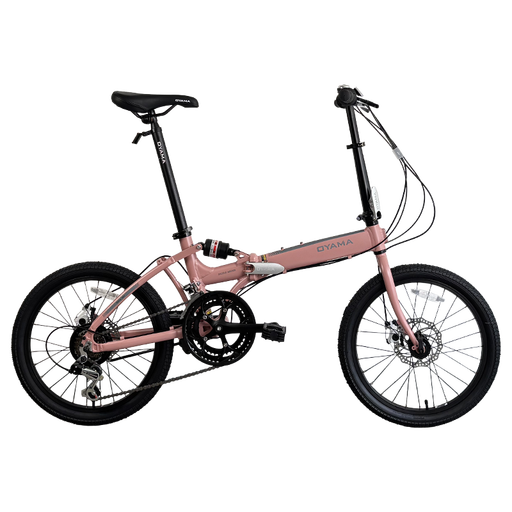
Why This Fits Their Persona: This model provides a solid entry point into the world of folding bikes, focusing on core functionality with reliable components without an excessive price tag. It's a great choice for those new to folding bikes.
It avoids the trap of cheap, unbranded parts by using a dependable Shimano 6-speed gear system and a sturdy aluminium alloy frame. It delivers on the fundamentals rather than over-promising.
Solid Foundation: Built with a robust aluminium frame and reliable Shimano gears. Practical Addition: Includes a rear rack, adding utility for carrying groceries or a work bag.
We have compiled a complete, real-time list of products that fully satisfy these strict selection criteria and UK safety regulations.
The lifespan of a folding bike depends heavily on the quality of its frame and components, as well as how it is maintained. A model with a well-built aluminium or steel frame and components from reputable brands like Shimano can last for many years with proper care. The most critical areas to maintain are the folding hinges and latches. Regular checks to ensure they are clean and secure, along with standard bike maintenance like lubricating the chain and checking tyre pressure, will significantly extend its life.
While designed primarily for short to medium-length urban commutes, a quality 20-inch folding bike can be perfectly comfortable for longer leisure rides of 10-20 miles. Comfort over distance is more about the bike's geometry, saddle quality and your riding position than just the wheel size. Ensure the seat and handlebar height are adjusted correctly for your body to prevent strain.
Regular maintenance is straightforward and crucial for safety and performance.