
24/7 Customer Support

Free returns

Same-day & Next-day Delivery

Quality Guaranteed

Unlock Your Welcome Offers: FREE Delivery | Up to 80% OFF | Free 30-day JoyPlus trial
Download the APP
A folding camping sleeping pad can make a wet weekend, multi-day trek or festival stay considerably more comfortable. However, product listings often focus on thickness or portability while leaving out details that affect warmth, durability and storage.
The same buying caution applies when comparing an insulated camping mattress, an egg crate sleeping pad, a portable baby playpen or a summer cooling mattress pad. Before selecting a product, look beyond promotional wording and check the specifications that affect everyday use.
A thick mat is not automatically warm. Insulation depends on the material, structure and ability to reduce heat transfer to the ground. An XPE foam sleeping pad with moulded air pockets may provide useful separation from cold or damp ground, while a soft but poorly insulated mat may feel comfortable indoors yet offer limited protection outdoors.
For colder UK conditions, check whether the product lists an R-value. This indicates resistance to heat transfer, although the warmth you experience also depends on your sleeping bag, clothing, tent and the ground beneath you. If a mat has limited insulation, pairing it with an inflatable mattress can provide an additional layer.
A sleeping pad may look compact in photographs but occupy valuable space in a rucksack. Compare both open size and packed size, along with weight. A lightweight sleeping mat may be suitable for trekking, but a wider or thicker version could be more practical for car camping or use at a campsite.
Also check how it is stored. Some foam pads are designed to roll and secure with straps, while others fold into panels. Repeatedly forcing a mat into a smaller bag than recommended can affect its shape and surface.
Outdoor foam pads often have water-repellent surfaces rather than being designed for machine washing. Mud, grass and rain should normally be wiped away, followed by thorough drying before storage. A pad kept damp in a boot or storage cupboard may develop odours or mould.
For bedding, confirm whether the cover or complete item is machine washable. For baby equipment, inspect the care instructions and ensure that removable fabrics can be cleaned without damaging fastenings or mesh.
Common options include foam, XPE or IXPE foam, self-inflating designs and air mattresses.
A one-piece moulded structure can reduce the number of seams and moving parts. Nevertheless, the surface still needs protection from stones, thorns and rough flooring.
For a solo backpacking mattress, consider whether the listed width allows your shoulders and hips to rest comfortably. A narrow pad may save space but feel restrictive for side sleepers. For a trekking sleeping pad, weight and packed dimensions become more important over longer distances.
As a practical comparison, the products below range from approximately 0.5kg to 0.75kg, with open lengths of 183cm. Always compare these figures with your height, sleeping position and available rucksack space.
One listed model has an R-value of R2.6, which offers a measurable reference point for insulation. It should not be treated as a guarantee of comfort in every temperature, but it is more useful than relying on phrases such as “four-season” without supporting specifications.
In cooler conditions, use a groundsheet, remove sharp objects from the pitch and consider combining a foam pad with an inflatable mattress. In summer, ventilation and moisture management may be more important than maximum insulation.
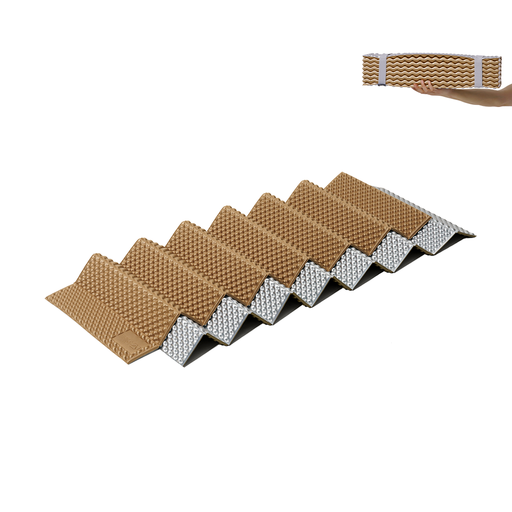
Why This Fits Their Persona: At approximately 0.5kg, this portable option suits occasional campers, festival visitors and walkers who want to keep pack weight under control.
Its listed dimensions and weight make it easier to judge portability before buying, while the egg-crate structure gives more information than a simple thickness claim.
183 × 55 × 1.7cm open size; XPE foam core; water-repellent polyester surface; links with additional pads.
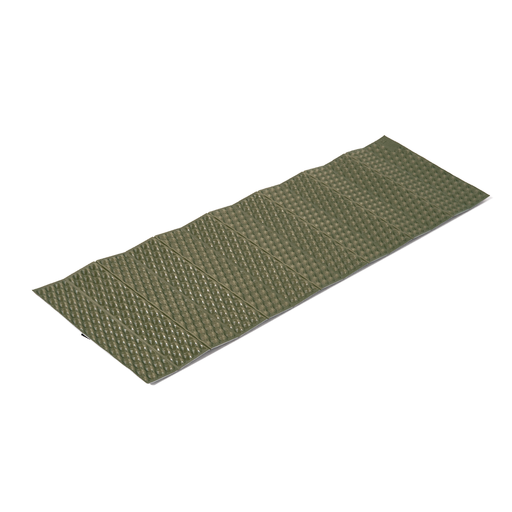
Why This Fits Their Persona: This suits campers wanting a wider, more cushioned foam mat for regular weekends, car camping or use on damp grass.
The specification includes an R-value, open dimensions and packed format, helping buyers compare insulation and storage rather than relying only on appearance.
183 × 63 × 2.6cm; approximately 750g; R2.6 rating; double-sided use and wear-resistant polyester surface.
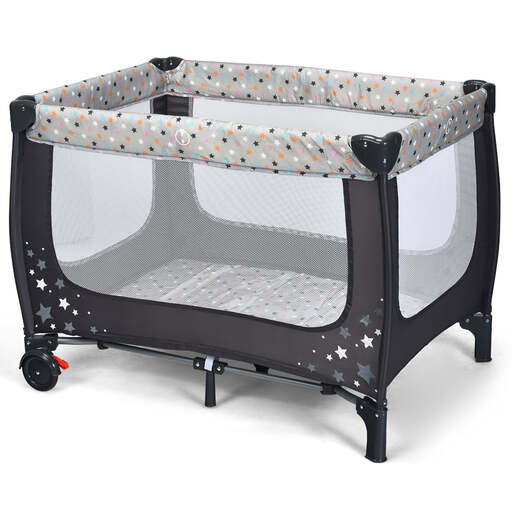
Why This Fits Their Persona: Families needing a portable sleep and activity area may value its folding frame, carrying bag, mesh sides and room-to-room wheels.
The stated upper and lower load limits, mattress dimensions and brake-equipped wheels provide practical details to check before purchase. Confirm suitability for your child and follow the manual.
125 × 65 × 76cm overall size; 9kg net weight; four-sided mesh; detachable bassinet; foldable design and carrying bag.
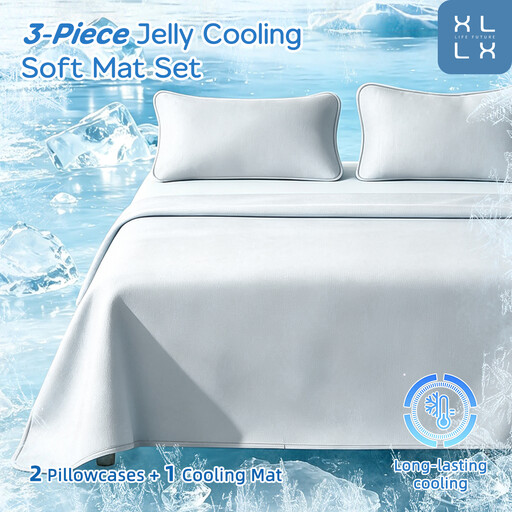
Why This Fits Their Persona: This is intended for bedroom use rather than tent insulation, making it relevant to shoppers seeking breathable summer bedding with matching pillowcases.
The listing identifies the bed-sheet format and included pillowcases, helping avoid confusing a cooling bedding layer with an outdoor sleeping mat.
150 × 200cm sheet; two 48 × 74cm pillowcases; foldable design; anti-slip finish; machine-washable bedding format.
We have compiled a complete, real-time list of products that fully satisfy these strict selection criteria and UK safety regulations.
It can be, provided its packed dimensions and weight suit your rucksack. Foam models are convenient because they do not need inflating and are less vulnerable to punctures. Check the open length and width before buying, particularly if you are tall or sleep on your side.
Lifespan depends on frequency of use, ground conditions, storage and exposure to heat. Removing sharp objects, cleaning gently and storing it without excessive compression can help preserve the foam structure. Replace it if it has permanent splits, significant flattening or reduced coverage.
No. A cooling mattress pad is designed for use on a domestic bed and focuses on breathable, cooler-feeling bedding. A camping mattress needs ground protection, portability and insulation. Select according to the intended sleeping surface rather than assuming one product can perform both roles.