
24/7 Customer Support

Free returns

Same-day & Next-day Delivery

Quality Guaranteed

Unlock Your Welcome Offers: FREE Delivery | Up to 80% OFF | Free 30-day JoyPlus trial
Download the APP
A good folding foam mat is a wonderfully versatile piece of kit. For campers, it’s the barrier between a comfortable night's sleep and the cold, hard ground. For parents, it’s a safe, clean space for a child to play and explore. Yet, the market is filled with options that look promising online but fail to deliver in practice.
As a Joybuy Product Recommendation Officer, my role is to help you cut through the marketing clutter. Before you add a mat to your basket, it’s crucial to understand the common pitfalls that lead to disappointment and wasted money. This guide will walk you through what really matters, ensuring you choose a mat that serves its purpose, whether on a mountainside or in your living room.
Many mats fail within months due to a few recurring design flaws. Being aware of these can save you from a poor purchase.
A common complaint is a mat that appears plush and thick in photos but compresses to almost nothing under body weight. This is often due to the use of low-density foam. It may measure 1.5 cm thick when new, but it lacks the structure to provide meaningful cushioning or insulation, leaving you feeling every lump and bump on the ground.
Many mats are advertised as waterproof or water-resistant, a key feature for both a baby play mat and an outdoor lightweight ground pad. The issue arises when this property comes from a thin, laminated film. After a few uses, folds or cleanings, this layer can crack, peel or delaminate, rendering the mat useless against spills or damp ground.
For outdoor use, insulation is non-negotiable. Some products are marketed as an insulated sleeping pad without providing any verifiable performance metrics. This ambiguity often hides a mat with poor thermal resistance, which will do little to stop the cold ground from drawing away your body heat during a chilly night of camping.
To find a durable and effective folding foam mat, focus on these core specifications.
The type of foam used is the single most important factor.
portable camping mattress and a waterproof crawling mat for children. Its firm structure provides lasting support.While thickness is important, it’s the foam's density that determines its ability to cushion and support. A dense, 1.7 cm thick XPE mat will provide far better comfort and longevity than a flimsy 2 cm PE mat. A quality mat will feel substantial and spring back into shape quickly when pressed.
For anyone sleeping outdoors, the R-value is a critical metric. It measures a material's thermal resistance—in simple terms, its ability to prevent heat loss. For three-season UK camping, an R-value of around 2.0 to 3.0 is a good starting point.
For a reversible activity mat used indoors, the R-value is less critical. Here, the focus is on sufficient thickness (e.g., 1.5 cm) to cushion tumbles and provide a comfortable barrier from cool flooring like tiles or laminate.
Based on these practical criteria, here are some folding foam mats that align with different user needs.
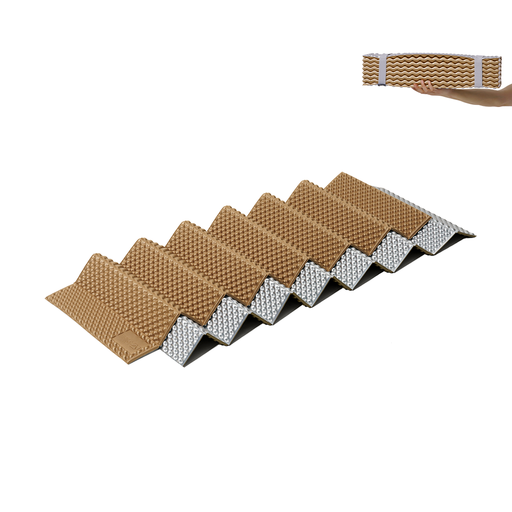
Why This Fits Their Persona: This user needs a reliable, lightweight mat for hiking and weekend camping trips in the UK. Portability and decent insulation are key, without the bulk of a heavy-duty expedition pad.
It uses durable XPE cross-linked foam, not cheap PE, avoiding the "flattening" issue. The egg-crate design creates air pockets, providing genuine insulation rather than just making vague claims.
Weighing only approx. 0.5 kg, it's very portable. The wear-resistant polyester surface adds durability and repels moisture from damp ground.
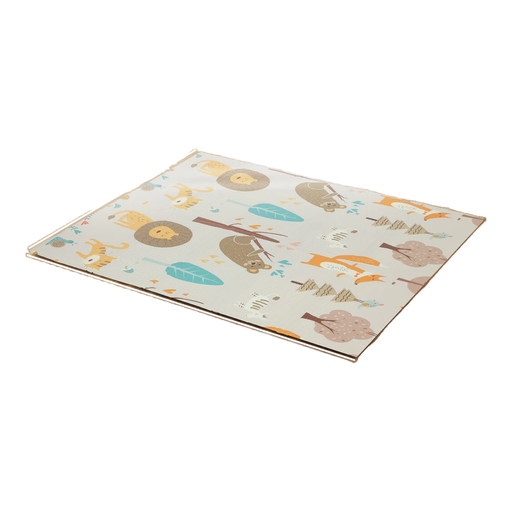
Why This Fits Their Persona: Parents need a safe, non-toxic and easy-to-clean surface for their children. It must be soft enough to cushion falls but durable enough for daily play, and easy to store in a family home.
The water-resistant surface is part of the XPE foam material itself, not a cheap film that can peel. Its 1.5 cm thickness is made from high-density foam, providing real cushioning for tumbles.
It's a reversible activity mat with two different designs to keep playtime interesting. The foldable design makes it simple to pack away or take on trips to the park or grandparents' house.
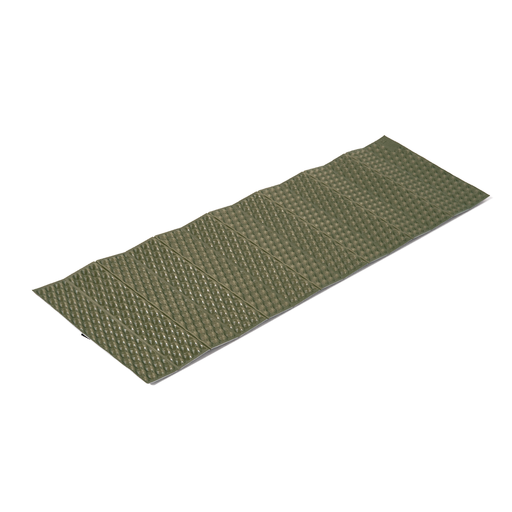
Why This Fits Their Persona: This user tackles more challenging terrain and weather, from the Peak District to the Scottish Highlands. Maximum insulation, durability and comfort are paramount for multi-day treks.
It provides a specific, verifiable insulation metric: an R-value of 2.6. This transparency replaces vague marketing claims with a solid performance indicator suitable for cool conditions.
At 2.6 cm thick, it offers superior cushioning and insulation compared to standard pads. The robust, puncture-resistant surface is designed to withstand rougher ground.
We have compiled a complete, real-time list of products that fully satisfy these strict selection criteria and UK safety regulations.
For most XPE foam mats, cleaning is straightforward. Wipe the surface with a damp cloth and mild soap if needed. Avoid harsh chemical solvents or stiff brushes, as they can damage the surface. Crucially, ensure the mat is completely dry before folding and storing it to prevent mould. For long-term storage, it's better to store it loosely folded or flat rather than tightly compressed.
It depends on the season. For summer camping (average nighttime lows above 10°C), an R-value of 1.0 to 2.0 is often sufficient. For spring and autumn three-season use, where temperatures can drop, an R-value between 2.0 and 4.0 provides a good balance of warmth and weight. For winter camping in freezing conditions, you would look for an R-value of 4.0 or higher, often by combining a foam mat with an inflatable one.
Yes, a high-quality, foldable baby play mat can be an excellent outdoor cushion for a family picnic. Their waterproof surfaces are ideal for dealing with spills and damp grass, and the thick cushioning provides more comfort than a simple picnic blanket. Just be sure to check the ground for sharp objects like stones or twigs that could damage the foam.