
24/7 Customer Support

Free returns

Same-day & Next-day Delivery

Quality Guaranteed

Unlock Your Welcome Offers: FREE Delivery | Up to 80% OFF | Free 30-day JoyPlus trial
Download the APP
A folding chair can look practical in a product photo yet become uncomfortable, unstable or awkward to carry once it reaches a muddy campsite, breezy beach or crowded festival. For UK shoppers comparing folding outdoor camping chairs, the important details are often hidden behind broad phrases such as “heavy duty”, “weather resistant” or “ergonomic”.
Before buying, look beyond the headline description and check the load capacity, folded dimensions, frame material and locking mechanism. These specifications have a direct effect on safety, comfort and how often you will actually use the chair.
A stated maximum load only describes the permitted static weight capacity. It does not automatically mean the chair is suitable for uneven ground, sudden movement or leaning heavily on one arm. A chair should be fully opened, locked and placed on firm, level ground before use.
Also check whether the rating applies to one chair or the whole pack. For example, a two-chair set may list a capacity per chair, rather than a combined figure.
Portable folding chairs need to fit your car boot, tent storage area or outdoor cupboard. A chair that is comfortable in use may be too long when folded for public transport or a small vehicle.
For beach trips and festivals, consider the net weight, carry bag and folded shape together. A compact carry size is useful, but very lightweight designs may have narrower seats or less padding. The practical choice depends on whether you are walking a few metres from the car or carrying the chair across a field.
Water-repellent fabric can help with light splashes, but it is not a reason to leave outdoor chairs in persistent rain. Steel frames can oxidise if stored damp, while fabric may develop odours or mildew if packed away wet. Wipe chairs clean and allow them to dry fully before storage, following the manufacturer’s care instructions.
Steel frames generally provide a substantial, stable feel, while aluminium alloy frames can reduce carrying weight and resist rust when properly maintained. Look for practical details such as reinforced joints, anti-corrosion treatment, strong stitching and non-slip foot pads.
Oxford fabric is commonly used for camping chairs because it is woven and suited to regular outdoor use. Padded fabric can improve comfort, although it may take longer to dry after damp weather. Breathable synthetic fabric may be more suitable for warm afternoons in the garden or at a campsite.
Choose a load rating with a sensible margin rather than selecting a chair that is close to your expected weight. Check the chair’s maximum static load capacity and follow the supplied instructions.
Seat width and height also affect comfort. A low seat may suit relaxed beach use but can be harder to get out of. A wider moon-style seat can offer more room, while a conventional chair with armrests may be easier for meals, fishing or watching sport.
A reliable folding design should open smoothly and lock into its intended position. Inspect the product information for set-up guidance and avoid placing concentrated force on the top, corners or foot section.
Useful extras include cup holders, side pockets and carry bags. These are convenience features rather than substitutes for a stable frame. A cup holder is particularly useful at a picnic or campsite, but it should not be overloaded or used to hang heavy items from the chair.
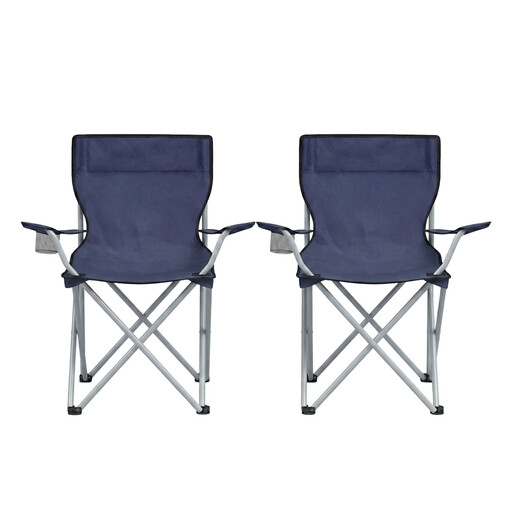
Why This Fits Their Persona: A practical option for couples, families or homeowners who need two portable folding chairs for camping, garden visits, picnics or sports events.
The listing states a 120kg maximum static capacity per chair, includes carrying bags and gives both unfolded and folded dimensions for easier planning.
Two steel-frame chairs, built-in cup holders, Oxford fabric and armrest pockets provide useful everyday features.
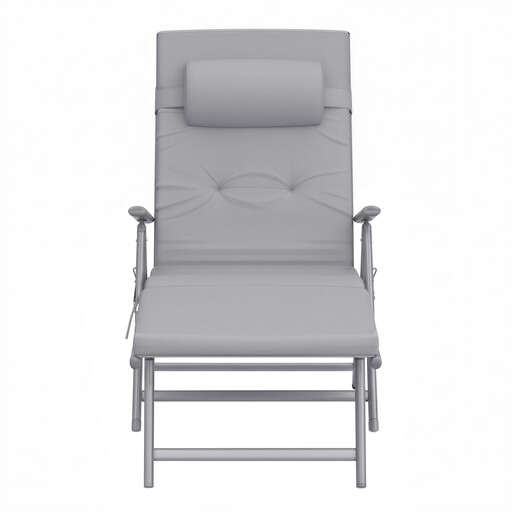
Why This Fits Their Persona: Suited to shoppers who prioritise adjustable relaxation for patios, gardens, poolside areas, beaches or longer camping breaks.
Its multi-level backrest is specified for adjustment, while the 150kg maximum static capacity and stability warning give buyers measurable details to check.
Aluminium alloy frame, padded armrests, breathable synthetic fabric and a full-recline length of 183cm.
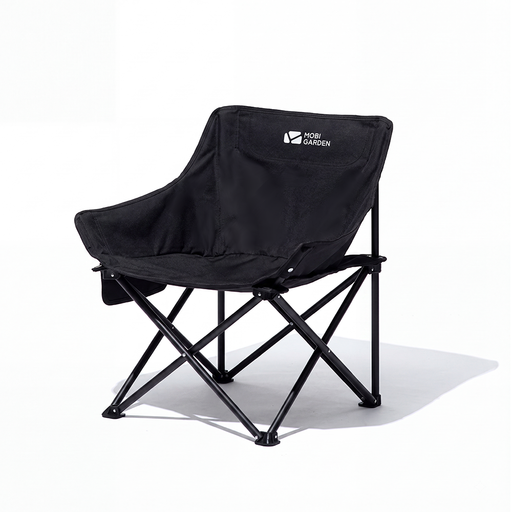
Why This Fits Their Persona: A wide-seat choice for campers, anglers and picnic visitors who want a supportive, easy-to-pack chair for specific outdoor activities.
The 100kg static capacity is clearly stated, and the instructions specify flat, firm ground and complete unfolding before use.
The 64.5cm-wide seat, 2.35kg net weight, side storage pocket and compact 16 × 16 × 70cm packed size suit mobile use.
We have compiled a complete, real-time list of products that fully satisfy these strict selection criteria and UK safety regulations.
Place the chair on firm, level ground, unfold it fully and check that the frame is locked and all feet are stable. Keep bags and other heavy items off the chair’s corners and do not exceed its stated static capacity.
Lifespan depends on frequency of use, storage and exposure to rain, mud and sunlight. Cleaning after each trip, drying the fabric and frame thoroughly and storing the chair indoors can help reduce fabric deterioration and frame corrosion.
Yes, provided they are used on stable sand and checked regularly for sinking or tipping. Wider feet can improve stability, while a carry bag makes transport easier. Avoid leaving any chair exposed to saltwater, persistent rain or strong sunlight for extended periods.