
24/7 Customer Support

Free returns

Same-day & Next-day Delivery

Quality Guaranteed

Unlock Your Welcome Offers: FREE Delivery | Up to 80% OFF | Free 30-day JoyPlus trial
Download the APP
A folding shopping trolley can make supermarket visits, market trips and everyday errands more manageable. It can also become awkward to pull, difficult to store or unreliable under load if the design is chosen based only on appearance or promotional wording.
Before buying, look beyond phrases such as “large capacity” or “heavy-duty”. The useful details are usually found in the specifications, care instructions and safety warnings. This guide explains the main buying pitfalls, the features worth checking and which trolley styles may suit different UK households.
A large basket does not automatically mean the frame or wheels can support a heavy grocery load. Some trolleys offer generous internal space but have limited structural support, particularly around the base, handle joints or wheel brackets.
Check whether the listing provides a maximum weight capacity. If it does not, avoid assuming that the trolley is suitable for carrying bottled drinks, tins and other dense items together. Distribute weight evenly and keep heavier products low in the bag.
A stair-climbing shopping trolley may use a multi-wheel arrangement intended to help the trolley move over steps or kerbs. However, this does not make stairs risk-free. Pulling a loaded trolley upstairs can affect balance, strain the frame and cause items to shift.
Look for clear instructions about stairs, uneven surfaces and maximum loads. A trolley should be fully opened and locked before use, and users should take extra care on wet pavements, kerbs and narrow staircases.
“Foldable” does not always mean compact enough for your hallway, car boot or under-bed storage. Measure the available space and compare it with the product’s folded dimensions where provided. Also check whether the locking mechanism is easy to operate and whether the trolley stays securely folded during storage.
A compact collapsible shopping trolley is useful for smaller flats, commuters and occasional supermarket trips, while a larger frame may be more suitable for weekly grocery shopping.
For regular use, inspect the material description rather than relying on lifestyle images. A blended fabric basket with a metal frame can provide a practical balance between weight and support. Open mesh metal is more suitable for fixed storage and allows contents to remain visible, while a covered fabric basket offers better separation from light rain and general exposure.
Check the following:
A heavy-duty grocery trolley should have a frame and wheel assembly that match the intended load, not just a spacious-looking bag.
A shopping trolley with wheels should roll smoothly on the surfaces you use most often. Two-wheel designs are generally pulled behind the user, while multi-wheel stair-climbing models may offer a different approach to kerbs and steps. Four-castor storage trolleys are designed for indoor movement rather than outdoor shopping.
Consider:
For older shoppers or anyone with limited hand comfort, an ergonomic-handle shopping trolley may feel more manageable. This feature should still be assessed alongside the trolley’s weight, grip shape and height.
A lightweight foldable shopping trolley is convenient for commuters and car users, but a very light frame may not be suitable for consistently heavy loads. Conversely, a larger trolley may carry more but require additional storage space.
Before ordering, check whether:
For indoor organisation, a 3-tier rolling storage trolley is a different product category from an outdoor grocery trolley. It is often more suitable for kitchens, bathrooms, salons and utility rooms than for pulling along pavements.
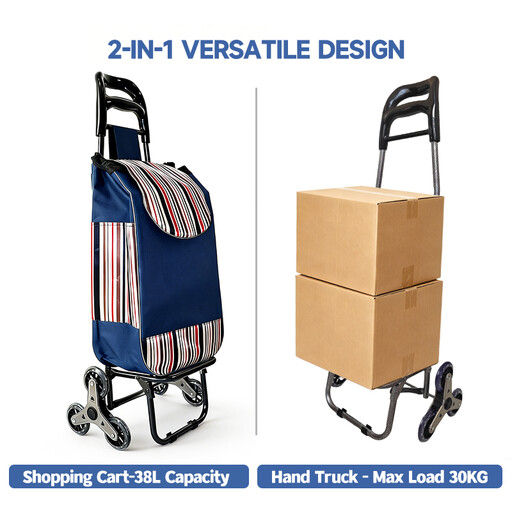
Why This Fits Their Persona: Its compact collapsible format suits occasional supermarket trips, smaller homes and shoppers who need a trolley that is easier to store between errands.
The compact folding design helps avoid buying a bulky trolley that is difficult to keep at home. Stair use still requires caution and adherence to the stated load limit.
Compact collapsible format; ergonomic handle; designed for grocery and home use.
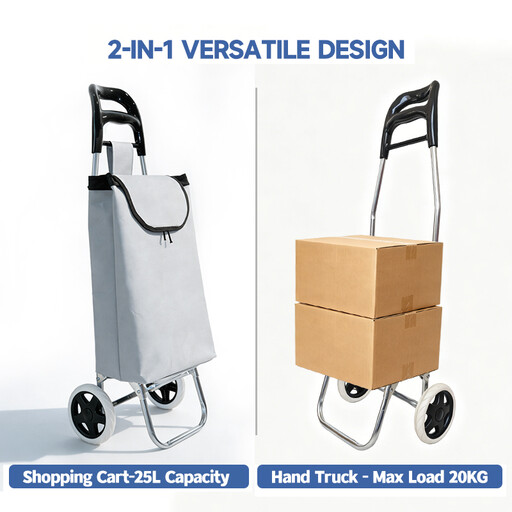
Why This Fits Their Persona: The large format is suited to weekly supermarket shops, market visits and households that carry several grocery categories in one trip.
The listing identifies a blended basket, metal frame, plastic wheels and folding construction, giving buyers more useful information than a capacity slogan alone.
Large-sized frame; ergonomic handle; foldable design; suitable for substantial grocery loads within the stated limit.
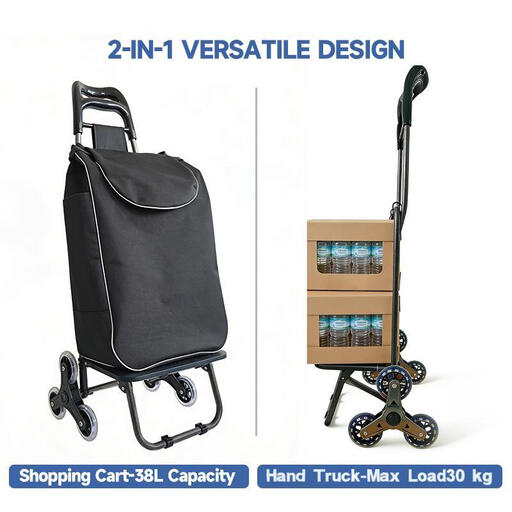
Why This Fits Their Persona: This style is aimed at shoppers who need a spacious folding trolley for regular grocery transport and prefer a handle designed for easier pulling.
Its listed foldable construction and ergonomic handle address two common problems: difficult storage and uncomfortable pulling. Users should still confirm the capacity before loading dense items.
Large-capacity format; metal frame and blended material; foldable for storage.
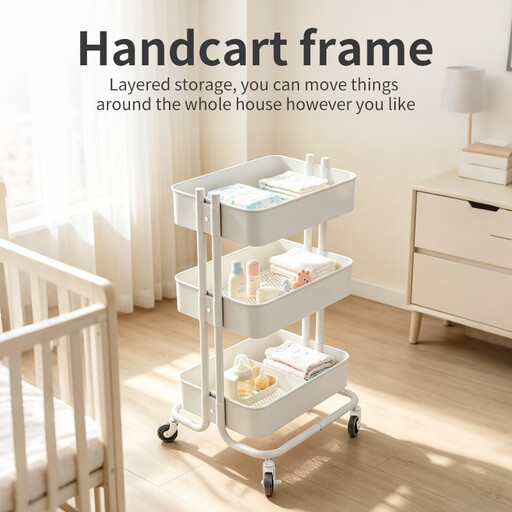
Why This Fits Their Persona: This indoor trolley suits kitchens, bathrooms, salons, utility rooms and home offices where visible, mobile storage is more useful than a grocery bag.
Its three separate tiers avoid the common problem of placing all items in one deep compartment. Lockable castors also help keep it stable when positioned indoors.
Three metal mesh tiers; four castor wheels; two lockable castors; wipe-clean powder-coated finish.
We have compiled a complete, real-time list of products that fully satisfy these strict selection criteria and UK safety regulations.
Correct setup can affect how long a trolley remains usable. Before the first trip:
Do not use a grocery trolley to transport children. Take care around stairs, kerbs and uneven surfaces, even when the product has a stair-climbing wheel design.
They can be suitable when the handle height, trolley weight, wheel movement and opening mechanism are manageable for the individual user. An ergonomic handle may improve pulling comfort, but it does not remove the need to stay within the load limit or use caution on stairs.
Lifespan depends on frequency of use, load weight, pavement conditions and storage. Regularly exceeding the capacity, dragging the trolley sideways or leaving fabric damp can accelerate wear. A frame with secure joints, well-maintained wheels and careful loading is more likely to remain functional over time.
There is no fuel or electricity cost for a standard manual trolley. Ongoing costs may include replacement wheels or fasteners if those parts wear out, although availability varies by product. Keeping the trolley dry, avoiding overloads and checking the wheel assembly can help reduce avoidable maintenance.