Whether you're a DIY enthusiast fitting a new carpet, a warehouse professional managing inventory or an adventurer setting up camp, a reliable cutting tool is indispensable. The challenge lies in choosing the right one. The market is filled with options, from a simple Stanley knife to a feature-rich multi-tool knife. This guide is designed to help you understand the key features to look for in a folding utility knife and to highlight a few standout options that cater to different needs.
Our goal is to provide clear, practical information to help you select a tool that offers the right balance of portability, safety and performance for your specific tasks.
How to Choose a Folding Utility Knife
Making the right choice comes down to analysing your primary use case. Consider these factors before you decide.
1. Blade Mechanism: Folding vs. Retractable
The core function of a folding knife is its ability to be stored safely and compactly. However, there are variations in how the blade is deployed and secured.
- Standard Folding Lock: This is the classic design where the blade pivots out and locks into place. It's simple and reliable for general tasks.
- Retractable Folding Knife: This type offers an additional layer of safety. The blade not only folds into the handle but can also be retracted. This allows you to expose only the length of blade you need, giving you greater control and reducing the risk of accidents.
2. Functionality: Single-Purpose vs. Multi-Tool
Consider the range of tasks you'll be performing.
- A heavy duty utility knife with a single, robust blade is often sufficient for straightforward cutting jobs like opening packages, trimming materials or scoring drywall. These tools are built for durability and cutting power.
- A pocket tool with pliers and other integrated functions is a better fit if you need versatility. For a camping knife or a tool for on-the-go repairs, having screwdrivers, wire cutters and pliers in one compact unit can be incredibly useful.
3. Build Quality and Ergonomics
A knife is only as good as the materials it's made from. Look for handles made of durable materials like die-cast metal or tough composites. The body should feel solid and secure in your hand. An ergonomic grip is crucial for both comfort and safety, especially during repetitive tasks, as it helps reduce hand fatigue and improve control.
Our Top Recommendations for 2026
Based on their features, design and user applications, here are our recommendations for anyone in the market for a new folding utility knife.
Stanley Folding Pocket Knife
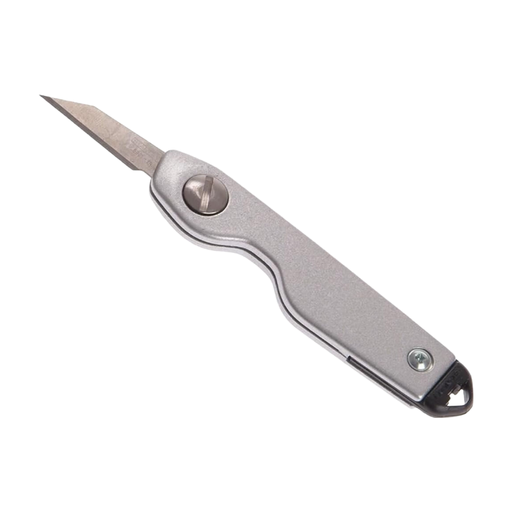
- Why It Stands Out: This tool embodies the classic, no-nonsense design of a Stanley pocket knife. Its strength lies in its simplicity and durability. The epoxy-coated die-cast metal body provides a solid feel, while the simple spring mechanism is both reliable and easy to operate. A particularly practical feature is the spare blade storage integrated directly into the handle.
- Pros:
- Durable die-cast metal body.
- Secure spring-locking mechanism.
- Convenient in-handle blade storage.
- Compact and easy to carry.
- Who is it for? This is an excellent choice for homeowners, DIYers and anyone needing a straightforward and dependable cutting tool for general-purpose tasks around the house or workshop.
Huohou K20 Multi-Tool Folding Knife 20-in-1
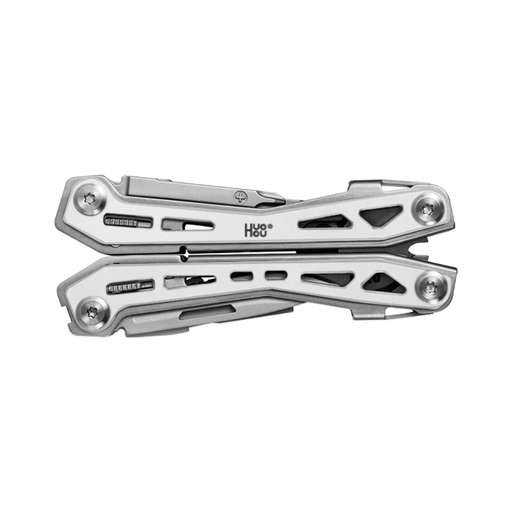
- Why It Stands Out: For those who need more than just a blade, this multi-tool knife packs an impressive 20 functions into a single portable unit. It combines the utility of a pocket tool with pliers, wire cutters, screwdrivers and even a replaceable tungsten steel saw blade. The ability to access common tools with one hand while the device is folded adds a layer of efficiency.
- Pros:
- 20 functions including pliers, wire cutters and a saw.
- Corrosion-resistant 420J2 stainless steel construction.
- Push-pull safety lock for secure operation.
- Replaceable tungsten steel saw blade for extended tool life.
- Who is it for? Ideal for outdoor adventurers, campers, repair technicians and anyone who values having a comprehensive toolkit that fits in their pocket. It's a versatile companion for unpredictable situations.
Stanley Fatmax Retractable Folding Knife
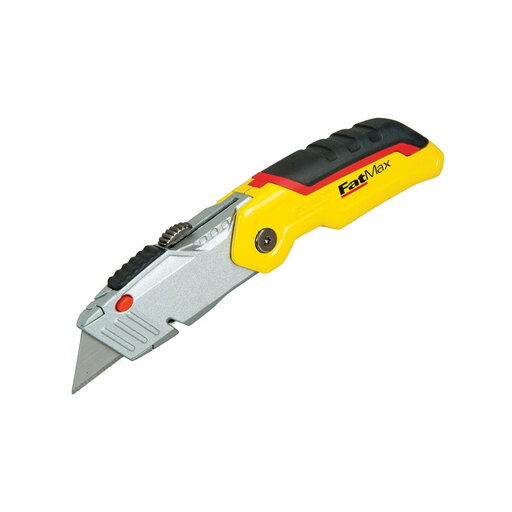
- Why It Stands Out: This knife combines the portability of a folding design with the enhanced safety and precision of a retractable blade. The ergonomic grip and rugged build make it suitable for demanding professional environments. Its standout feature is the instant blade change mechanism, which allows for quick, tool-free swaps to minimise downtime on the job.
- Pros:
- Retractable blade for superior safety and control.
- Ergonomic grip for comfort during extended use.
- Instant blade change mechanism for efficiency.
- On-board blade storage in the handle.
- Who is it for? This is a strong contender for professional tradespeople, such as electricians, carpet fitters and warehouse staff, as well as serious DIYers who prioritise safety and efficiency in a heavy duty utility knife.
Looking for Other Options?
If the models above don't quite match your requirements, or if you're looking for a tool with different features, there are many other styles available. From specialised cutters to different multi-tool configurations, finding the right fit is key.
Explore our full range of safety cutters to discover more tools suited to your needs.
Frequently Asked Questions
What is the difference between a utility knife and a pocket knife?
The main difference typically lies in the blade. A utility knife, often called a Stanley knife, usually features a disposable, replaceable blade designed for rough, heavy-duty tasks. A traditional pocket knife has a fixed blade that is sharpened rather than replaced. A folding utility knife offers a hybrid approach, combining the portability of a pocket knife with the replaceable blade of a utility knife.
Are folding utility knives legal to carry in the UK?
UK law on carrying knives is very specific. To be carried in public without a specific valid reason, a folding pocket knife must have a cutting edge of 3 inches (7.62 cm) or less and must not lock. Many folding utility knives have locking blades for safety during use. A knife with a locking blade can be legally owned and carried if you have a 'good reason' for it, such as for your work (e.g., a tradesperson) or a hobby (e.g., camping). It is always recommended to consult the latest official government guidelines on this matter.
How do I safely change the blade on a folding utility knife?
Always prioritise safety. First, ensure the blade is fully retracted or folded if possible. Locate the blade release mechanism, which could be a button, lever or screw. Press or loosen it according to the manufacturer's instructions. Carefully remove the old blade, preferably while wearing gloves, and insert the new one. Ensure it is securely seated before use. Dispose of the used blade responsibly in a sharps container or by wrapping it securely.


