What matters when choosing a multi-pack?
Start with the allergens that matter to the person eating the bar, then check the exact pack and how its information will stay with any bars shared separately.
| Priority |
What to check |
Your needs |
| Exact ingredients |
Read the current ingredient list for the named flavour and pack size. Check for each ingredient the person needs to avoid, including relevant cereals, milk, soya, peanuts or nuts. |
I need to identify the particular allergen before choosing a bar, rather than assume every flavour in a range has the same ingredients. |
| ‘May contain’ wording |
Read precautionary statements as well as the ingredients. Anaphylaxis UK explains that these statements concern possible unintended allergen presence. |
A bar without my relevant allergen in its ingredients may still have a warning I need to consider under the person’s established allergy advice. |
| Outer wrapper |
Check where the pack carries its allergen information. Keep the outer wrapper or an unambiguous record with the remaining bars when inner portions are separated. |
If I put one bar in a lunchbox or share the pack, the person receiving it needs to be able to identify the exact product and its allergen information. |
| Dietary claims |
Read gluten-free or vegan wording alongside the full ingredients and allergen statements. Such claims address different questions from an allergy to soya, milk, peanuts or nuts. |
I may need to check gluten and another allergen separately; one front-of-pack claim cannot answer both questions. |
| Pack received |
Compare online details with the ingredients and allergen information on the physical pack before use, particularly when reordering a familiar product. |
I want the decision to reflect the bars I actually received, not the label I remember from an earlier purchase. |
Brand and product-line examples
These examples show why allergen checks belong to the exact product and flavour, not to a brand as a whole.
Nature Valley
The brand’s Crunchy Variety Pack and Peanut & Chocolate Protein Big Pack have different ingredient and warning declarations.
- Nature Valley’s Crunchy Variety Pack page warns of possible peanut, tree nuts and soya.
- Its Peanut & Chocolate Protein Big Pack declares peanut, soya and milk ingredients and warns of possible tree nuts. Check the declaration for the exact pack being purchased.
Kellogg’s
The Coco Pops Snack Bar illustrates why a cereal-and-milk bar needs its own ingredient check.
- Kellogg’s lists barley, milk, soya and wheat as allergens for this snack bar.
- Its product information also warns of possible gluten from other cereals and advises checking the pack because recipes may change.
Graze
Check the flavour when considering an Oat Boost multipack; a peanut-butter variant cannot establish the declaration for another flavour.
- ASDA’s listing for Graze Peanut Butter Oat Boosts 4 x 30g declares soya, peanuts and oats.
- That listing also gives ‘may contain’ warnings for nuts, cereals containing gluten, eggs, milk, mustard and sesame.
Eat Natural
A named peanut-and-chocolate protein multipack provides a more useful allergen reference than the brand name alone.
- ASDA’s listing for Eat Natural Crunchy Nut Bars Protein Packed with Peanuts and Chocolate 20 x 45g declares peanuts and soya.
- The same listing warns of possible sesame, nuts and milk; its declaration should not be applied to other Eat Natural bars.
TREK
The Original Oat bar demonstrates that a gluten-free or vegan description does not answer every allergy question.
- TREK lists soya protein crispies and soya flour among the Original Oat ingredients.
- TREK also warns that Original Oat may contain peanuts, nuts and milk. Other TREK flavours require their own label checks.
Joybuy multi-pack options
These oat, nut, protein and flapjack bar packs give you specific flavours and pack sizes to compare. Check the allergen information on the exact pack before choosing one for someone else or sharing its individual bars.
 No image available
Nature Valley Protein Peanut & Chocolate Bar 4 x 40g
For this peanut-and-chocolate variant, compare the current 4 x 40g pack’s ingredients and precautionary statements with the allergens the person needs to avoid. Keep the outer wrapper with any bars shared separately.
View on Joybuy
 No image available
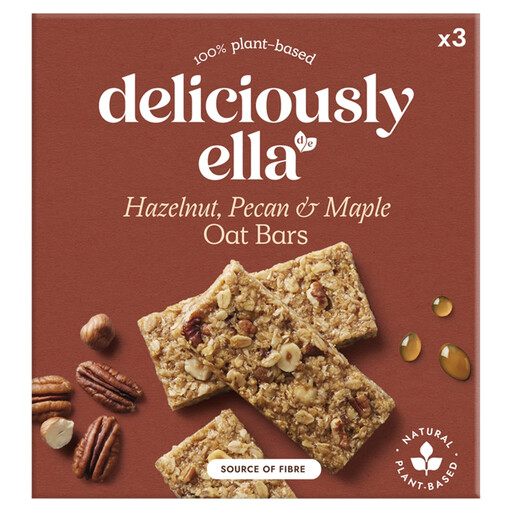
Deliciously Ella Hazelnut, Pecan & Maple Oat Bar Multipack 150g
If nuts or oats matter to the person eating these bars, check the ingredients and any ‘may contain’ wording on this exact hazelnut, pecan and maple pack. Its listed multipack weight is 150g.
View on Joybuy
 No image available
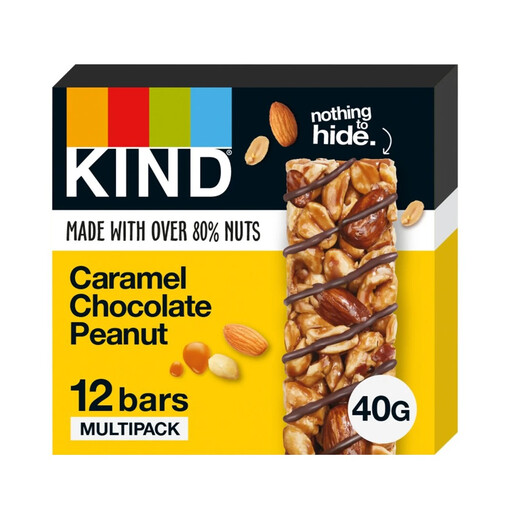
KIND Caramel Chocolate Peanut 12 Bar Pack
This is a 12-bar caramel, chocolate and peanut pack. Check its current ingredient list and precautionary warnings for every allergen relevant to the person receiving a bar; the flavour name alone is not a full declaration.
View on Joybuy
 No image available
Nature Valley Protein Peanut & Chocolate Cereal Bars 8 x 40g
This 8 x 40g pack needs its own label check, even if you have bought another Nature Valley Peanut & Chocolate pack before. Read both the ingredients and any relevant precautionary statement before separating the bars.
View on Joybuy
 No image available
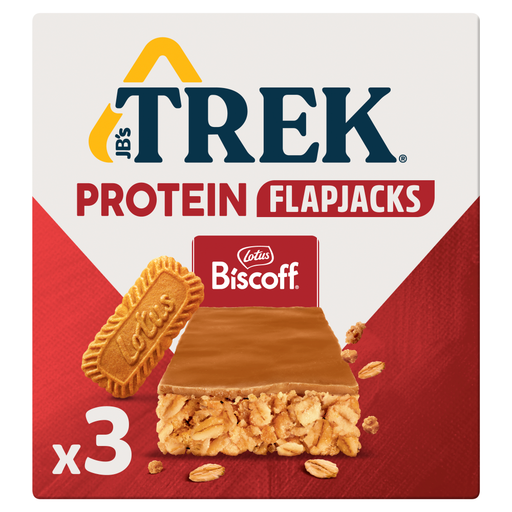
TREK Biscoff Flapjack 3 x 50g
For this 3 x 50g Biscoff flapjack pack, check the physical pack’s cereal ingredients and other allergen information. Do not apply the declaration for TREK Original Oat to a different flavour.
View on Joybuy
Questions about cereal bars and allergens
How do I choose a cereal-bar multi-pack for someone with a food allergy?
Start with the ingredients the person needs to avoid, then check the current outer pack’s ingredients and relevant ‘may contain’ statements for the exact flavour. Do not rely on the brand, a previous purchase or a gluten-free or vegan claim alone.
Can I rely on the wrappers around individual bars?
Do not assume they carry the full allergen information. Anaphylaxis UK explains that, when portions are not intended for separate sale, allergen details may appear only on the multi-pack’s outer wrapper. Keep that wrapper with the bars until they have all been used.
Does gluten-free mean a bar is suitable for other food allergies?
No. Check other allergens separately. TREK describes Original Oat as gluten-free, but lists soya ingredients and warns of possible peanuts, nuts and milk; those details matter independently of its gluten-free description.
What does ‘may contain’ mean on a cereal bar?
It is a precautionary warning about possible unintended allergen presence, rather than a statement that the allergen is an intended ingredient. Anaphylaxis UK advises treating relevant warnings in line with the individual’s allergy-management advice.
Should I check the label again when buying a familiar bar?
Yes. Check the current physical pack before eating or sharing it, because ingredients can change. Kellogg’s advises checking the pack for its Coco Pops Snack Bar rather than relying on earlier product information.


