Households avoiding specific allergens
Start with each person’s known triggers, rather than a general dietary description such as vegan or gluten free. Check both the ingredients and any relevant precautionary wording on the exact pack.


Choose a snack-bar multipack by the allergens each person must avoid, then check the current pack’s ingredients and precautionary statements for the exact flavour. A specialist multipack described as free from the UK’s 14 regulated allergens may be a useful starting point for some households, but that claim does not settle every allergy: Creative Nature flags an avenin-allergy caveat for its Berry & Beetroot bars. Individual wrappers help with distribution; they do not change what a bar contains.
The same multipack can be appropriate for one eater and unsuitable for another. Identify everyone who might take a bar before deciding whether one shared pack makes sense.
Start with each person’s known triggers, rather than a general dietary description such as vegan or gluten free. Check both the ingredients and any relevant precautionary wording on the exact pack.
Individually wrapped portions can make it easier to give each child the intended bar. Confirm that the bar itself fits the child’s allergy requirements before treating the pack as a shared option; check any applicable rules where the lunchbox will be used.
A larger pack or a protein-bar format may appeal to some eaters, but the reviewed oat, nut and protein products have different ingredients and warnings. Check the exact flavour for every person who may share it.
Check allergen suitability before pack size or flavour. Once a particular bar fits the intended eater’s requirements, its wrapping and portion count can help you decide whether the multipack works for sharing.
| Priority | What to check | Your needs |
|---|---|---|
| Ingredients and warnings | Read the current pack’s full ingredient list, highlighted allergens and any “may contain” statement. Compare each relevant ingredient and warning with the intended eater’s allergy requirements. | I need to know whether both the ingredients and possible cross-contact warnings matter for the person eating the bar. |
| Scope of dietary claims | Check precisely what a free-from, gluten-free or vegan claim covers; then read the remaining allergen information. Anaphylaxis UK cautions that a bar free from one allergen may still contain another. | A front-of-pack claim catches my eye, but I need the whole allergen picture before choosing a pack to share. |
| Exact product and flavour | Match the flavour and pack format to the label you read. Nature Valley says its recipes can change and advises checking the pack on each purchase. | Even if I have bought this brand before, I want to check the version going into the cupboard now. |
| Sharing format | Check the number and size of bars and whether portions are individually wrapped. Distribute only bars already checked for the person receiving them. | I want enough portions for the intended eaters without assuming that every bar in a household is interchangeable. |
| Allergy alerts | Use the Food Standards Agency’s Allergy Alerts for information about products with an identified allergy risk, including missing or incorrect allergen labelling. | When an allergy makes a labelling error especially consequential, I want a way to check for relevant product alerts. |
Those claims do not answer every allergy question. The TREK Peanut Butter Protein Flapjack listed by Tesco is gluten free but contains peanuts and soya and may contain nuts and milk.
Start with the eater’s allergens, then read the ingredients and precautionary statement on the exact multipack.
Nature Valley says recipes vary across products and may be reformulated. A label checked for one flavour or an earlier purchase cannot establish the ingredients of another pack.
Check the current flavour and pack size each time, including repeat purchases.
Wrapping separates portions for distribution; it does not remove an ingredient or a precautionary warning. Nature Valley’s Crunchy Oats & Honey Family Pack, for example, contains oats and may contain soya, wheat, peanuts and tree nuts, according to the manufacturer.
Choose bars that fit each eater’s requirements before using individual wrappers to organise sharing.
Product information can change. The Food Standards Agency also issues Allergy Alerts when missing or incorrect labelling, or another allergy risk, is identified.
Read the physical pack at purchase and before eating; check relevant Food Standards Agency alerts when managing an allergy.
These examples describe particular products or statements from their makers, not a single allergy verdict for every bar a brand sells. The current label of the exact multipack remains the deciding information.
Creative Nature describes its Berry & Beetroot Kids Snack Bar Multipack as free from the UK’s 14 regulated allergens. It contains four 25 g bars.
Nature Valley offers oat-bar formats including a Crunchy Oats & Honey Family Pack with 20 portions.
The TREK Peanut Butter Protein Flapjack multipack listed by Tesco contains three 50 g bars, with 9 g of plant protein stated per bar.
The Apple Pie four-pack and Peanut Butter Protein three-pack listed by Tesco illustrate why nākd. flavours need separate label checks.
Tesco lists an Eat Natural Almond multipack containing four 35 g bars.
Tesco lists Graze Cocoa Vanilla Oat Boosts as a four-bar multipack.
Alpen says several former bar lines are no longer made, so an old product name is not a useful substitute for checking a current pack.
These Joybuy listings are conventional oat, peanut or nut-bar multipacks to consider only when the exact bar fits everyone who may eat it. Check the current physical pack before buying or sharing; a product name and photograph do not replace its allergen label.
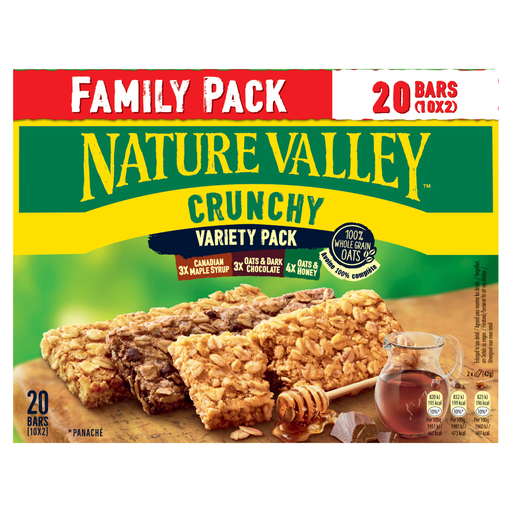 No image available
A ten-bar oat-bar pack for sharing only where its ingredients and warnings fit each intended eater. The product information identifies oats and soya and gives precautionary warnings for wheat, peanuts and tree nuts; check the current pack for the exact wording.
 No image available
This four-bar peanut and chocolate pack is not a choice for someone who must avoid peanuts. Its product information also identifies soya and milk and a precautionary warning for other nuts; read the current label before sharing.
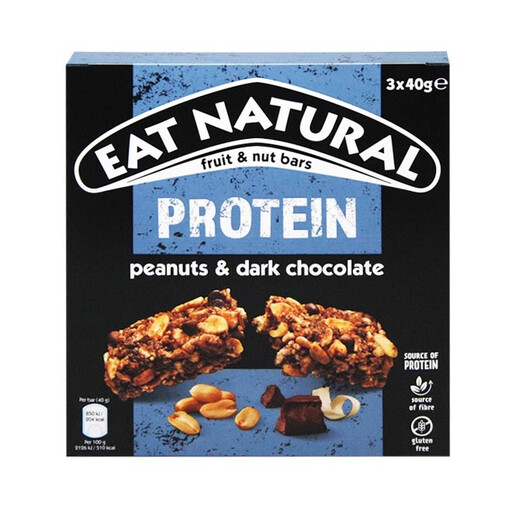 No image available
Check this three-bar pack against each eater’s allergens: peanuts are part of the named variant, and its product information also identifies nuts, milk and soya. Confirm the complete ingredient and warning text on the current pack.
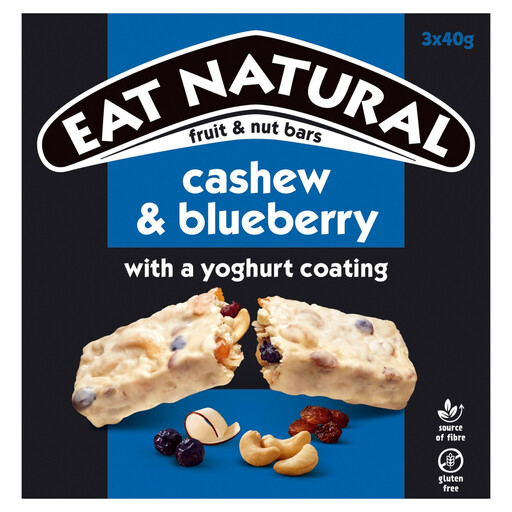 No image available
The three-bar fruit-and-nut pack needs particular attention where nuts or milk are concerns. Its product information identifies almonds, cashews and milk, with precautionary warnings for other nuts, peanuts and soya; check the current pack before sharing.
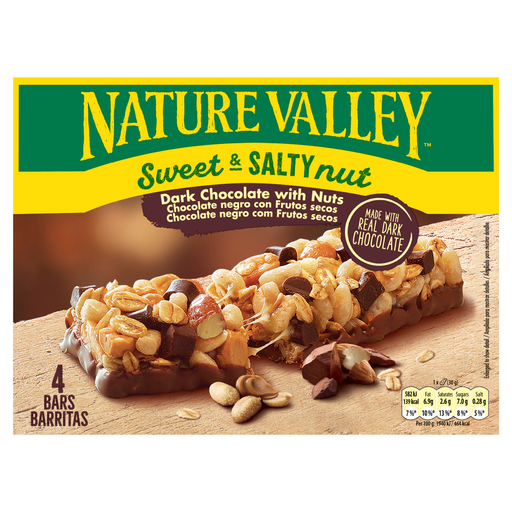 No image available
This four-bar nut and chocolate pack should not be treated as a general shared allergy option. Its product information identifies milk, peanuts, almonds, oats, soya and wheat; compare the current label with every intended eater’s requirements.
No. Gluten-free wording addresses gluten, not every other allergen. Tesco’s listings show that the gluten-free TREK Peanut Butter Protein Flapjack contains peanuts and soya, while its Eat Natural Almond bar contains almonds and milk ingredients. Check the exact pack for all allergens relevant to the eater.
No. Anaphylaxis UK advises people with food allergies to check allergen labelling even on vegan or plant-based products. Read the current ingredients and precautionary statement for the exact bar rather than relying on the vegan description.
It is precautionary allergen wording indicating that an allergen could be unintentionally present. Food Standards Agency research explains that such labelling addresses cross-contact risk; assess a warning for the relevant allergen in line with the eater’s allergy-management advice.
Yes. Nature Valley says its products may be reformulated and advises checking the ingredient information on the pack. Read the current label even when the brand and flavour look familiar.
Use the Food Standards Agency’s Allergy Alerts. The agency issues them when a food presents an allergy risk, including missing or incorrect allergen labelling; check that an alert applies to the exact product concerned.