
24/7 Customer Support

Free returns

Same-day & Next-day Delivery

Quality Guaranteed

Unlock Your Welcome Offers: FREE Delivery | Up to 80% OFF | Free 30-day JoyPlus trial
Download the APP
Buying food and drinks online in the UK can save time, particularly for busy households, students, gym-goers and shoppers looking for international groceries. However, attractive packaging and broad product claims can make it difficult to compare products fairly.
A sensible buying decision starts with the label rather than the marketing description. The following guide explains the main pitfalls to avoid, the specifications worth checking and a selection of products suited to different shopping needs.
A drink can be low in sugar without containing no sugar, while sweeteners may still be used in sugar-free drinks. Always compare the per 100ml and per serving figures. This is particularly important when comparing energy drinks, malt beverages, ready-to-drink beverages and fruit drinks.
For example, a 330ml bottle of Nurishment Banana contains 38g of sugars per bottle, despite also providing 10.6g of protein. By contrast, Applied Nutrition Body Fuel Orange lists 0g sugar and 0 calories per 330ml can, but contains caffeine and is not suitable for children, pregnant individuals or breastfeeding individuals.
Protein drinks, meal replacement drinks and sports nutrition products serve different purposes. A protein shake may provide a concentrated amount of protein but not the range of nutrients expected from a complete meal. A meal replacement drink may contain fibre, vitamins and minerals, but it is still not automatically suitable for every diet or age group.
Check whether the product is described as a food, food supplement or meal replacement, then review its serving size, protein, fibre, energy and allergen information.
Baby food, baby multivitamins and dietary supplements require extra care. Age guidance is not decorative packaging: it determines whether the texture, ingredients and serving instructions are appropriate. Products may contain milk, barley, oats or other allergens, even when they appear suitable for a particular lifestyle.
Also check whether the item needs refrigeration after opening, how quickly it should be consumed and whether the packaging is intact on delivery.
Use both figures when comparing products. Per-100ml information helps compare different bottle sizes, while per-serving information shows what you will actually consume. For example:
These numbers help distinguish an occasional refreshment from a convenient meal, snack or training product.
Look for clearly listed ingredients and highlighted allergens. Milk-based protein drinks are unsuitable for people avoiding dairy, while malt beverages and some baby supplements contain barley. Vegan food and drinks should be checked carefully rather than assumed from the product title.
For sports nutrition, also check whether the protein source is milk, pea, beef or collagen. These sources have different dietary implications and may not suit vegetarian, vegan, halal or allergy-related requirements.
Energy drinks require particular attention. The Applied Nutrition Body Fuel Orange can contains 100mg caffeine per 330ml, while Monster Energy Green Zero Sugar lists 160mg caffeine per 500ml can. The latter product information states that it is not recommended for children, pregnant or breastfeeding women, or people sensitive to caffeine.
Do not combine multiple caffeinated products without checking the total intake. For baby multivitamins and adult supplements, follow the stated dosage and avoid taking overlapping products unless advised by a qualified healthcare professional.
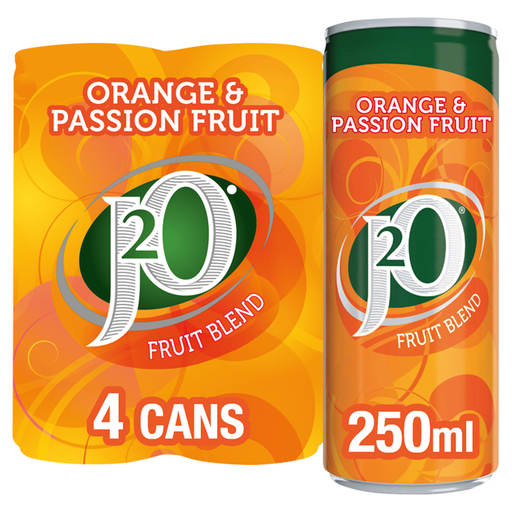
Why This Fits Their Persona: A four-can pack offers a practical option for lunches, small gatherings or occasional drinks without committing to a large case.
The nutrition panel shows 19 kcal and 4g sugars per 100ml, helping shoppers assess the drink rather than relying on “light” or “refreshing” wording.
Four 250ml cans; orange and passion fruit juice concentrates; no listed allergens.
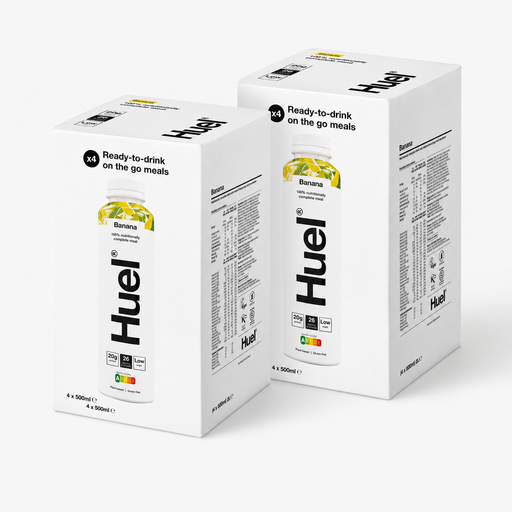
Why This Fits Their Persona: Suitable for adults wanting a ready-to-drink meal option for commuting, office days or travel where preparation time is limited.
Its listed figures make the product category clear: 400 kcal, 20g protein and 7g fibre per 500ml bottle, rather than presenting it as an ordinary soft drink.
26 listed vitamins and minerals; gluten-free formulation; suitable for adults.
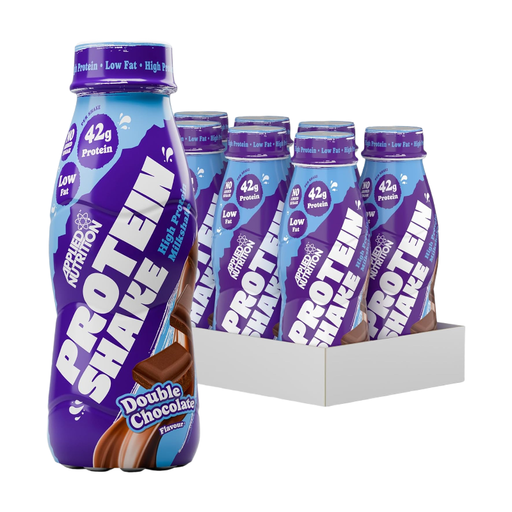
Why This Fits Their Persona: A larger bottle and 42g protein per serving suit adults who specifically want a substantial protein drink after training or during a demanding day.
The serving size is clearly stated as 500ml, preventing comparisons with smaller bottles that may appear to contain similar protein amounts.
42g protein per bottle; 240 kcal; low fat and no added sugar according to the supplied product information.
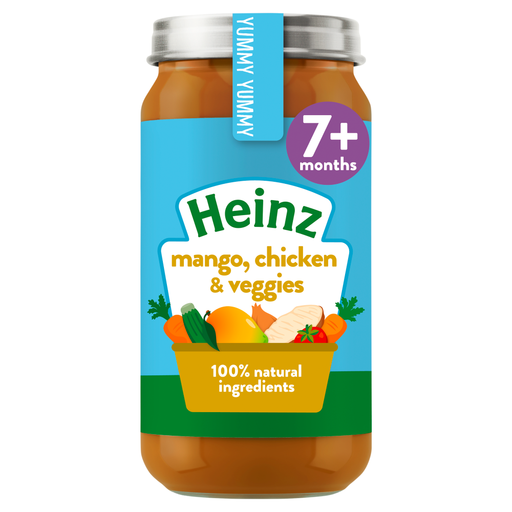
Why This Fits Their Persona: Parents planning weaning meals can use a ready-to-eat jar for convenient lunches or evening meals when cooking from scratch is impractical.
The jar states the intended age as 7+ months and gives ingredient percentages, including 55% vegetables, 8% chicken and 8% mango.
200g ready-to-eat jar; low salt; no added sugar listed; unused opened food can be refrigerated for up to 24 hours.
We have compiled a complete, real-time list of products that fully satisfy these strict selection criteria and UK safety regulations.
It can be convenient, but check the listing and delivery information before ordering. Products such as unopened canned drinks can generally be stored in a cool, dry place, while opened milk-based drinks and meal drinks may need refrigeration. Follow the storage instructions on the product label rather than assuming all ready-to-drink beverages have the same shelf life.
“Sugar-free” only describes sugar content. Some products contain sweeteners, caffeine or other functional ingredients that may not suit children or people sensitive to caffeine. Compare the full ingredients list, energy value and serving guidance before buying healthy drinks in the UK.
Check the age range, dosage, ingredients, allergens, storage instructions and warnings. Do not combine multivitamin products without appropriate advice, and review the supplied label because formulations and directions can change. For questions about a child’s nutritional needs, consult a health visitor, pharmacist or GP.