Large-batch salsa makers
If you prepare salsa for several meals or a gathering, compare usable working capacity rather than bowl size alone. A larger appliance also needs a practical place to stand or be stored.


Choose a food processor by the amount of salsa you prepare in one session, then look for controls that let you stop at your preferred texture. A larger working capacity can mean fewer loads but demands more space; a compact processor is easier to store if you are comfortable making several smaller loads. If you cook salsa for later meals, plan how you will chill and store it as well.
If you prepare salsa for several meals or a gathering, compare usable working capacity rather than bowl size alone. A larger appliance also needs a practical place to stand or be stored.
If you want distinct pieces of chopped ingredients, look for pulse control and a chopping blade. Process in short bursts, checking the texture between them.
If cupboard or worktop space is limited, a compact processor may be easier to keep close at hand. Check whether its smaller usable capacity means more loads for your usual recipe.
For batch-cooking salsa, settle on a workable load size before comparing texture controls and storage arrangements.
| Concern | What to check | Who this matters to |
|---|---|---|
| Usable batch capacity | Compare the stated working limit for wet ingredients with your recipe size, not just the bowl volume. | If I prepare salsa for several meals at once, repeated loads interrupt the job and can leave batches at different textures. Around 42% of consumers put usable batch capacity first. |
| Texture control | Look for pulse control and a multipurpose chopping blade. | When I want chunky salsa, I need to stop chopping before the mixture becomes too fine. Roughly 33% of consumers make texture control their primary concern. |
| Storage and clean-up | Check appliance dimensions, how its parts store and which parts can go in the dishwasher. | With limited kitchen space, I would rather make smaller loads than keep an awkward appliance on the worktop. About 25% of consumers prioritise storage and clean-up. |
A bowl’s total volume can exceed its working limit for wet ingredients, so a salsa recipe may need more loads than the headline size suggests.
Check the manufacturer’s working-capacity guidance for your intended ingredients. Magimix UK lists a 3.6L total bowl and 1.8L working capacity for the 5200XL; Kenwood GB lists a 3L bowl and 1.5L liquid working capacity for the FDP65.180SI.
A larger bowl does not tell you when to stop chopping. Processing continuously can take salsa past the chunky texture you wanted.
Choose a suitable chopping blade and pulse control, then check the mixture between short bursts. Consider extra slicing or dicing accessories separately from chopping control.
A compact processor may fit your cupboard but still take longer to work through a large recipe in successive loads.
Compare the wet-ingredient working limit with the quantity you normally make. Kenwood GB lists a 0.75L liquid working capacity for its MultiPro Go FDP23.130GY.
Processor capacity does not determine how prepared food should be stored.
For cooked salsa kept as leftovers, follow GOV.UK guidance: refrigerate cooked food within one to two hours and eat leftovers within 48 hours or freeze them. This guidance does not establish a shelf-stable preservation method for salsa.
The 5200XL is a large-capacity option for cooks preparing substantial batches who have room for a heavier appliance.
The 5KFP1319 suits cooks considering salsa alongside other preparation tasks.
Kenwood’s cited models illustrate the choice between a mid-size processor and a more compact one.
These food processors and choppers offer different bowl sizes and formats for salsa preparation. Compare each listed capacity with its usable limit for your recipe before deciding how many loads you will need.
 No image available
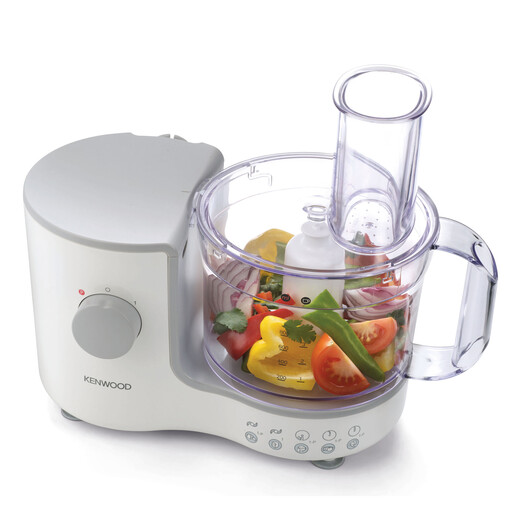
Consider this compact model if making salsa in smaller loads suits your routine. The title lists 400W and a 1.4L capacity; check the usable wet-ingredient limit against your recipe.
 No image available
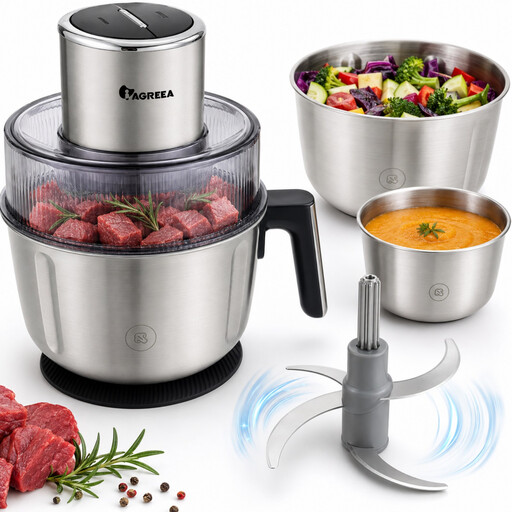
Consider the nesting-bowl arrangement if you want separate bowl sizes for preparation. The title lists 2.5L, 2.2L and 1.8L bowls and a 350W motor; check the usable wet-ingredient limit rather than treating the largest bowl size as a salsa fill level. Follow the listed pulse-operation limit of 30 seconds per cycle.
 No image available
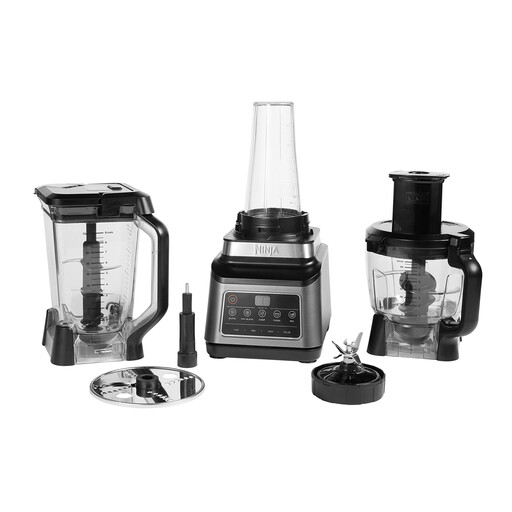
Consider this model if you also want the blending vessels named in its title. It lists a 1.8L processor bowl, 2.1L jug, 700ml cup and 1200W motor; confirm the bowl’s wet working limit for salsa. Do not process hot liquids or overfill the appliance.
 No image available
Consider a combined processor and blender if both functions fit your cooking routine. The title lists a 750W motor, 2L bowl and 1.8L blender capacity. Check the processor bowl’s usable wet-ingredient limit and the appliance’s fit in your kitchen.
 No image available
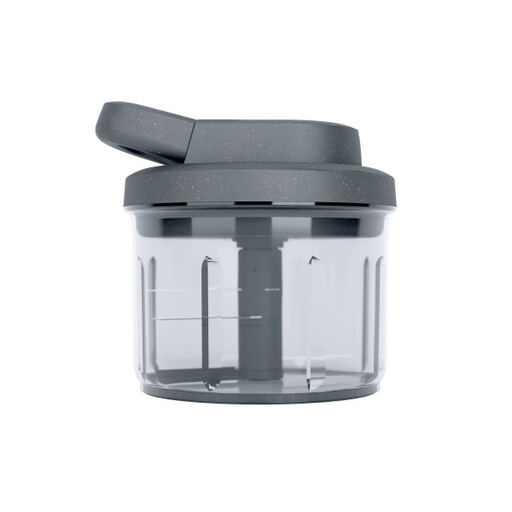
Consider this manual processor if you prefer to chop salsa ingredients in smaller loads. Check its usable wet-ingredient capacity against your recipe and allow for hand-washing the lid.
Compare working capacity for wet ingredients with the amount you make in one session. Magimix UK lists 1.8L working capacity for the 5200XL, while Kenwood GB lists liquid working capacities of 1.5L for the FDP65.180SI and 0.75L for the compact MultiPro Go FDP23.130GY. Choose a size that keeps repeat loads manageable without creating a storage problem.
Use a chopping blade and pulse in brief bursts, checking the mixture between pulses. KitchenAid UK lists pulse action and a multipurpose blade for the 5KFP1319; Kenwood GB lists pulse control for the FDP65.180SI. The point at which to stop depends on the texture you want.
Treat cooked salsa kept as leftovers as food that needs prompt chilling, not as shelf-stable food. GOV.UK advises refrigerating cooked food within one to two hours, keeping the fridge between 0°C and 5°C, and eating leftovers within 48 hours or freezing them. Follow any applicable ingredient-packaging instructions and use-by dates too.