Texture-focused batch cooks
You make fruit loaves, flapjacks or similar recipes that need chopped apricots rather than a paste. You want to stop the blade and inspect the pieces as you work.


Choose a food processor with a chopping blade and pulse control if you need distinct pieces of dried apricot rather than a paste, then size the bowl for the recipes you prepare. A smaller machine may suit modest amounts, while a larger bowl is worth considering for frequent mixed-recipe prep; neither bowl capacity nor motor wattage establishes how much sticky fruit the machine will chop well. Start with a small, pre-cut load and stop between short pulses to check the texture.
You make fruit loaves, flapjacks or similar recipes that need chopped apricots rather than a paste. You want to stop the blade and inspect the pieces as you work.
You prepare apricots alongside other recipe ingredients, so the bowl’s useful capacity, accessories and cleaning routine matter beyond this one task.
You usually prepare modest amounts and need a machine that is practical to store and clean between uses.
Start with the chopping attachment and control you need for sticky fruit, then compare capacity and upkeep against your usual batch size.
| Concern | What to check | Who this matters to |
|---|---|---|
| Chopped texture | Confirm the exact model includes a chopping blade and pulse control. Use short bursts and check the pieces between them. | If my recipe needs separate apricot pieces, I want to stop before the fruit becomes a paste. Around 42% of consumers put texture control first. |
| Batch capacity | Compare bowl size with working capacity where stated, and follow the manual’s guidance for loading sticky ingredients. | When I prepare several recipes together, repeatedly splitting ingredients into loads matters to me. For around 33% of consumers, batch capacity is the primary concern. |
| Storage and cleaning | Check where attachments will go and which individual parts can go in the dishwasher. | For occasional apricot prep, I need an appliance I can put away and clean without a lengthy routine. Storage and cleaning come first for around 25% of consumers. |
A motor rating does not tell you whether sticky apricots will finish as distinct pieces; running the blade continuously can take them past the texture you want.
Check for an included chopping blade and pulse control, then try a small, pre-cut load using short bursts. Recipes.net gives the same practical advice for chopping sticky dried fruit.
Total bowl capacity, working capacity and an ingredient-specific limit are different measures. An overloaded bowl can leave fruit clumped and unevenly chopped.
Follow the exact model’s manual for loading guidance, work in manageable amounts and stop to inspect the mixture.
Extra bowls and attachments may be useful for other recipes, but they also need cupboard space and cleaning after sticky fruit preparation.
Check the supplied accessories, their storage arrangements and the cleaning instructions for each part before choosing a larger system.
Preparing products for customers brings food-business responsibilities that do not arise from ordinary household batch cooking.
If you are starting a food business, the Food Standards Agency says to register with your local authority at least 28 days before trading or food operations start. Check the appliance’s instructions for its intended use too.
Kenwood’s MultiPro Express models are worth comparing when a 3L bowl, chopping blade and pulse control fit your wider batch-prep plans.
The 3200XL offers another capacity arrangement to consider when a general-purpose processor will also handle smaller household tasks.
These choices include electric food processors for mixed batch preparation and a manual chopper to consider for modest amounts. Match the supplied chopping attachment and controls to the texture you need.
 No image available
Consider this model if pulse control and a larger bowl suit your repeated meal prep; Kenwood GB also lists a knife blade for the FDP65.180SI. Its stated features include a 3L bowl, 1000W rating, six accessories and dishwasher-safe attachments. Check the manual for suitable loads rather than using the bowl volume as an apricot limit.
 No image available
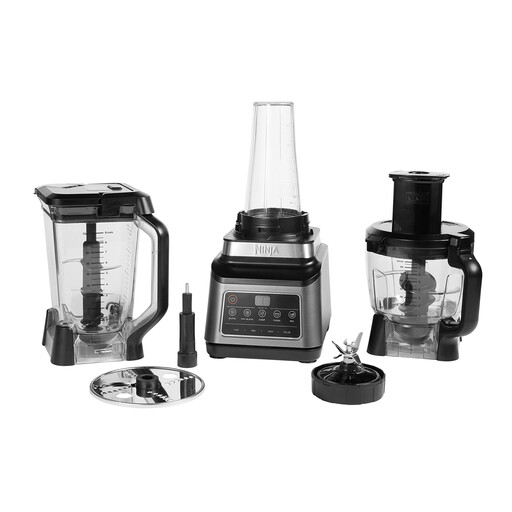
Consider the 1.8L processor bowl for household recipes where you can divide larger batches. The named bundle also has a separate 2.1L jug and 700ml cup; neither increases the processor bowl’s capacity. Check the instructions for chopping controls and suitable loads, particularly if you need distinct apricot pieces.
 No image available
Consider this model when weighing and varied preparation tasks matter alongside batch cooking. Its stated features include a 3L bowl, variable speed, pulse control and 13 accessories. Confirm that the supplied accessories include a suitable chopping blade before choosing it for dried apricots.
 No image available
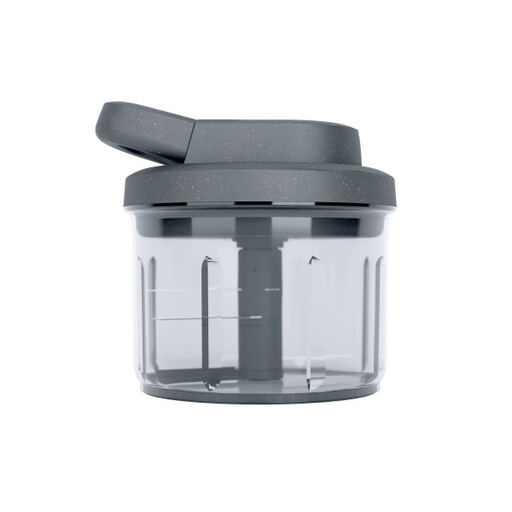
Consider this manual pull-cord chopper for modest amounts when you would rather control each pull than use an electric processor. Larger batch-cooking quantities may need repeated loads. Check the bowl size against your recipe and follow the separate cleaning instructions for the lid.
Use short pulses if you want separate pieces rather than a paste. Recipes.net advises cutting larger pieces first, avoiding an overloaded bowl and stopping between bursts; follow your appliance’s manual for its operating instructions.
Choose by your full recipe and how many loads you are willing to process, not by a claimed universal apricot capacity. Magimix UK lists 2.6L total and 1L working capacity for the 3200XL, while Kenwood GB lists a 3L bowl for the FDP65.180SI; neither figure is an ingredient-specific loading limit.
Check that the appliance offered is intended for the Great Britain market and that you can obtain its instructions and warranty terms. The Office for Product Safety and Standards describes requirements for businesses placing electrical equipment on the GB market; a product’s marketplace description is not a substitute for checking the particular version being sold.
Yes. Selling prepared food brings food-business responsibilities beyond household cooking. The Food Standards Agency says a new food business must register with its local authority at least 28 days before trading or food operations start; also check whether your chosen appliance is intended for that use.