Repeated-batch bake-sale cooks
You plan to prepare several batches of savoury scones and want room for the flour-and-butter mixture, as well as tools for preparing fillings such as cheese.


For savoury scones, choose a processor with pulse control and enough working capacity for your planned flour quantity. Good Food’s scone method uses the processor to pulse butter into flour, then brings the dough together quickly without overmixing. A larger bowl can help with repeated bake-sale batches, while a smaller model may make more sense if you prepare modest batches and have limited storage.
You plan to prepare several batches of savoury scones and want room for the flour-and-butter mixture, as well as tools for preparing fillings such as cheese.
You want to pulse cold butter into flour but keep control of the final mixing stage, when working the wet dough for too long matters most.
You usually make modest batches and want an appliance that can handle scone preparation and other food-prep tasks without taking over your storage space.
Start with pulse control for the butter-and-flour stage, then match the stated working capacity to your recipe. Consider extra tools and storage only after those two needs are covered.
| Concern | What to check | Who this matters to |
|---|---|---|
| Batch capacity | Compare the stated dry or working capacity with your flour quantity; bowl volume alone is not the usable dough limit. | When I am preparing several bake-sale batches, I want to know whether each mix will fit without repeatedly dividing the recipe. Around 39% of consumers put batch capacity first. |
| Control over mixing | Look for pulse control, and plan to stop machine processing before working the wet scone dough for too long. | If keeping the scone dough from being overworked is my main worry, I need control over the butter-and-flour stage. Roughly 38% of consumers prioritise that control. |
| Storage and other uses | Check the appliance dimensions and which chopping, slicing or grating accessories come with the particular model. | For occasional baking in a small kitchen, I want the processor to justify its cupboard space through other preparation tasks. About 23% of consumers place that need first. |
A large bowl does not necessarily hold that volume of ingredients while processing. Magimix UK states a 3L total bowl capacity but a 1.3L working capacity for the 4200XL; Kenwood GB gives both a 3.0L bowl and a 1.5kg dry working capacity for the FDP65.860WH. Those working figures use different units and should not be treated as directly interchangeable.
Check the chosen model’s manual limits against your recipe quantity, rather than relying on its headline bowl size.
If the recipe exceeds the permitted working quantity, dividing it into more runs adds preparation time.
Good Food’s scone method uses pulses for the butter-and-flour stage and calls for the dough to be brought together quickly without overmixing.
Once the liquid goes in, mix briefly by hand or with a knife and stop when the dough comes together.
A dough tool can be useful for other doughs, but it does not replace controlled pulsing and minimal final mixing when making scones.
Choose a model with a dough tool if you expect to make other doughs; for scones, check pulse control and suitable working capacity first.
Ingredients and packaging decisions need attention alongside the appliance. The Food Standards Agency’s allergen-labelling guidance applies to food businesses selling food that meets the conditions for prepacked for direct sale.
Keep ingredient and allergen information for each recipe, manage cross-contact when preparing different scones, and check the event’s food-business and packaging arrangements with the organiser or local authority.
Kenwood’s MultiPro Express FDP65.860WH is a larger-bowl option for repeated preparation and savoury fillings.
The Magimix 4200XL is a 3L-bowl option to consider if you expect regular baking and other food preparation.
KitchenAid’s 5KFP0921 offers a 2.1L-bowl route for smaller scone batches and wider food-prep use.
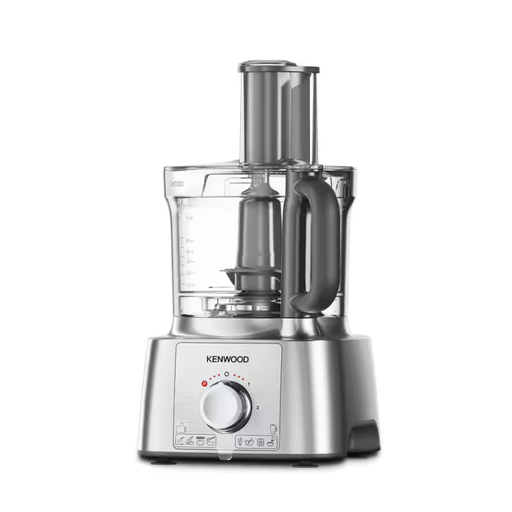
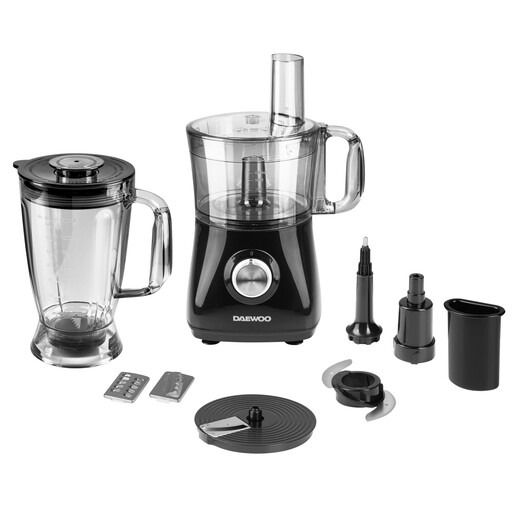
These processors offer pulse control for the butter-and-flour stage: the Kenwood has a stated 3L bowl, while the DAEWOO has a stated 2L processor bowl. Check each model’s usable working limits against your planned batch before choosing.
 No image available
Consider this model if you plan repeated ingredient preparation and want a larger bowl with pulse control. Its listed features include a 3L bowl, 1000W rating, six accessories and dishwasher-safe attachments. Confirm the working limit for your flour quantity in the manual; finish the wet scone dough briefly outside the processor.
 No image available
Consider this model for smaller ingredient batches if pulse control and a processor–blender combination suit your other preparation needs. The product name states a 750W rating and a 2L processor bowl. Check the permitted dry-ingredient quantity and whether the supplied tools suit any other doughs you intend to make.
Use the processor mainly to pulse the butter into the flour, rather than to mix the finished dough continuously. Good Food’s scone method brings the dough together quickly after the liquid is added and warns against overmixing.
No: pulse control is the more relevant feature for the butter-and-flour stage in Good Food’s scone method. A dough tool is worth considering if you also plan to make other doughs, but it does not remove the need to mix wet scone dough briefly.
Check that the seller can identify the intended market, supply the appliance instructions and explain the intended food use of its bowl and accessories. GOV.UK guidance covers food-contact kitchenware and the requirements for electrical equipment placed on the Great Britain market; an appliance listing alone is not a determination of compliance.
If the sale is run as a food business and the wrapped scones meet the conditions for prepacked for direct sale, Food Standards Agency allergen-labelling requirements apply. Check how the event and packaging are organised rather than assuming that every bake sale has the same status, and keep accurate allergen information for the ingredients you use.